How Preparing for a Single Crisis Can Save Your Life

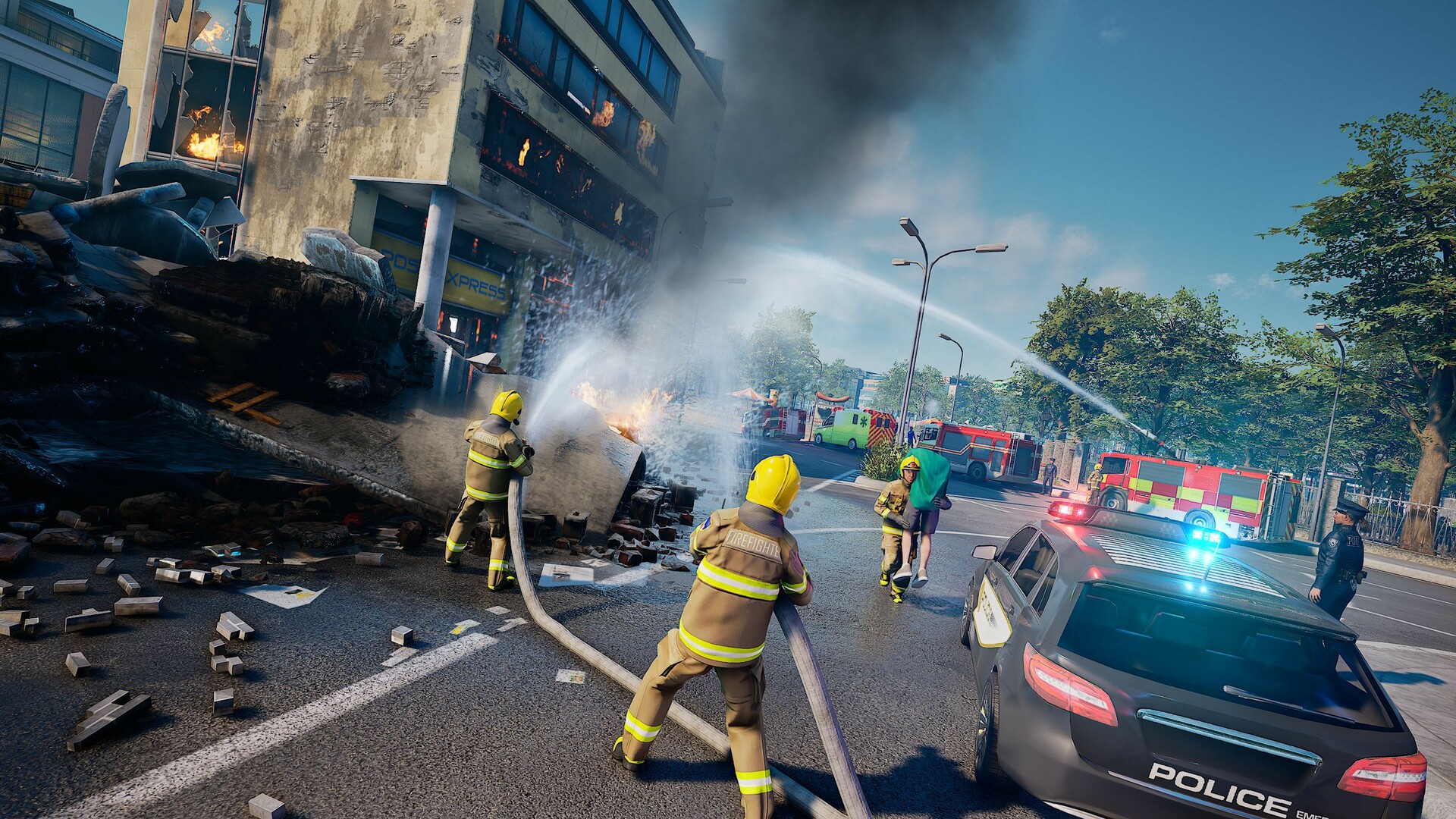
Emergencies strike unexpectedly.
Disasters—whether natural, medical, or man-made—rarely give warning. Being unprepared can magnify consequences, turning manageable situations into catastrophic events. Preparing in advance creates options and reduces panic when time is critical.
Focus on the essentials.
A single well-stocked emergency kit, knowledge of evacuation routes, and basic first-aid training can drastically improve outcomes. Concentrating on what truly matters—water, food, communication, and safety—ensures readiness without overcomplicating plans.
Mindset matters as much as supplies.
Preparedness isn’t just physical; it’s mental. Knowing how to respond calmly, prioritize actions, and make decisions under pressure can be the difference between harm and safety. Training and simulation reinforce confidence when it counts.
One emergency can teach lessons.
Experiencing even a minor crisis highlights gaps in preparation, prompting adjustments for future readiness. Learning from a single event often prevents repeat mistakes and builds resilience over time.
Preparedness is a habit.
Consistent review, updating supplies, and practicing emergency plans turns readiness into routine. This habit ensures that when disaster strikes, you are not scrambling—you are acting efficiently and effectively.
Focusing on “one emergency” at a time emphasizes that preparedness isn’t about panic—it’s about thoughtful, practical action that protects life and resources.










Comments
No comments yet, be the first submit yours below.