Why Emotional Decisions Cost More Than People Realize


Emotion moves fast. Strategy moves patiently.
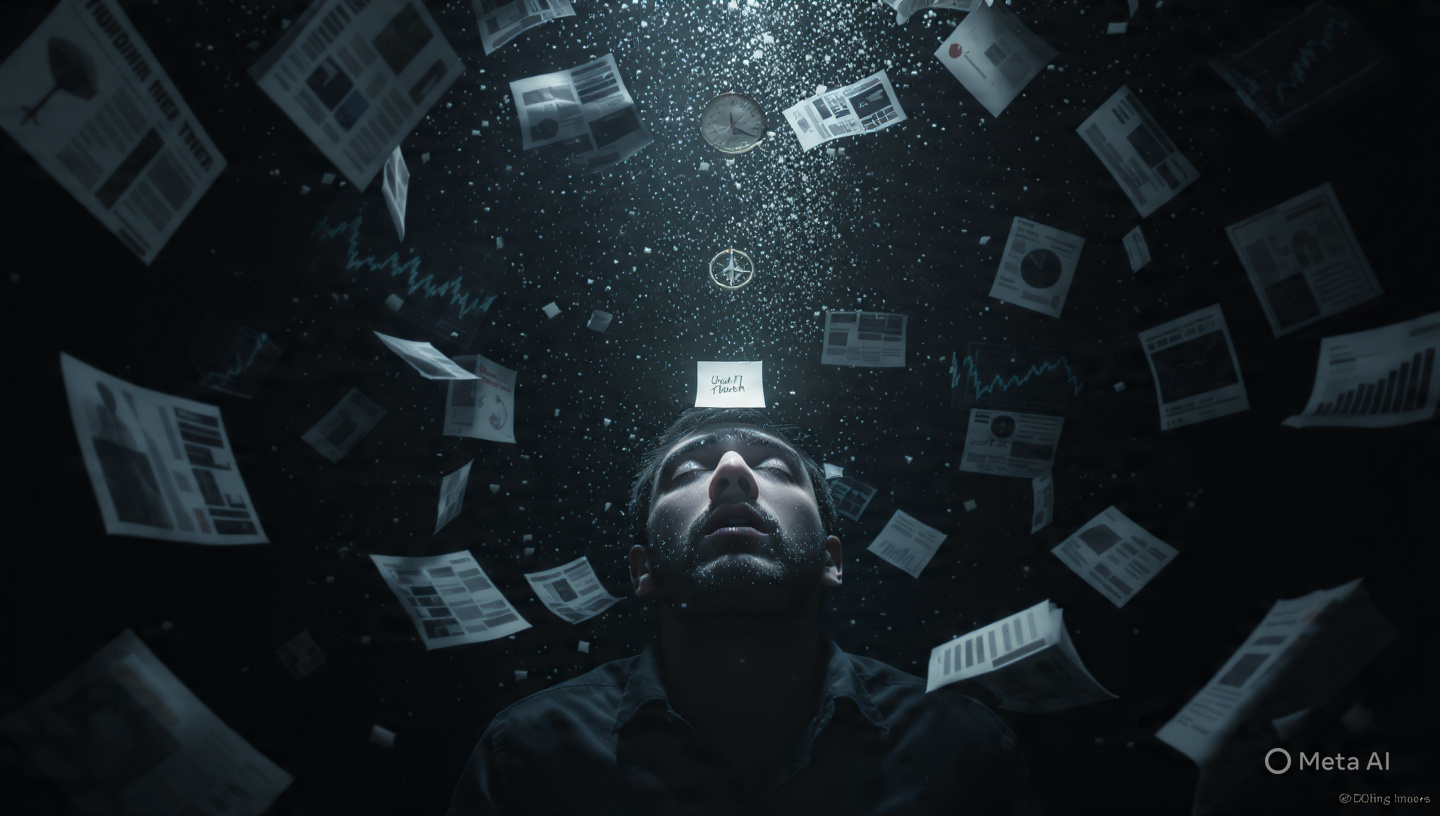
Many mistakes happen because people make permanent decisions during temporary emotional moments. Anger, fear, excitement, or frustration can push someone into actions that create consequences long after the emotion disappears.
Strong players control reactions.
In chess, a player who moves because they are angry or impatient often creates weaknesses their opponent can exploit. Life works the same way—reacting too quickly can give away advantages you worked hard to create.
Every reaction has a cost.
A heated argument, an impulsive purchase, quitting too soon, or trusting the wrong person can change your position. Strategic thinkers ask what a decision will cost before they make it.
Patience creates options.
Waiting doesn't mean doing nothing. It means gathering information, studying the situation, and choosing a move that improves your position instead of just relieving pressure.
The best move isn't always the easiest move.
Sometimes the smartest decision feels uncomfortable in the moment. Long-term thinkers understand that temporary discomfort can create future advantages.
Master yourself before trying to master the game.
The person who controls their emotions, attention, and reactions gains an advantage over people who constantly move based on impulse.
Life rewards the person who can stay calm while everyone else is reacting. The strongest move is often the one you choose not to make.







Comments
No comments yet, be the first submit yours below.