How Things People Once Rejected Become Normal Over Time

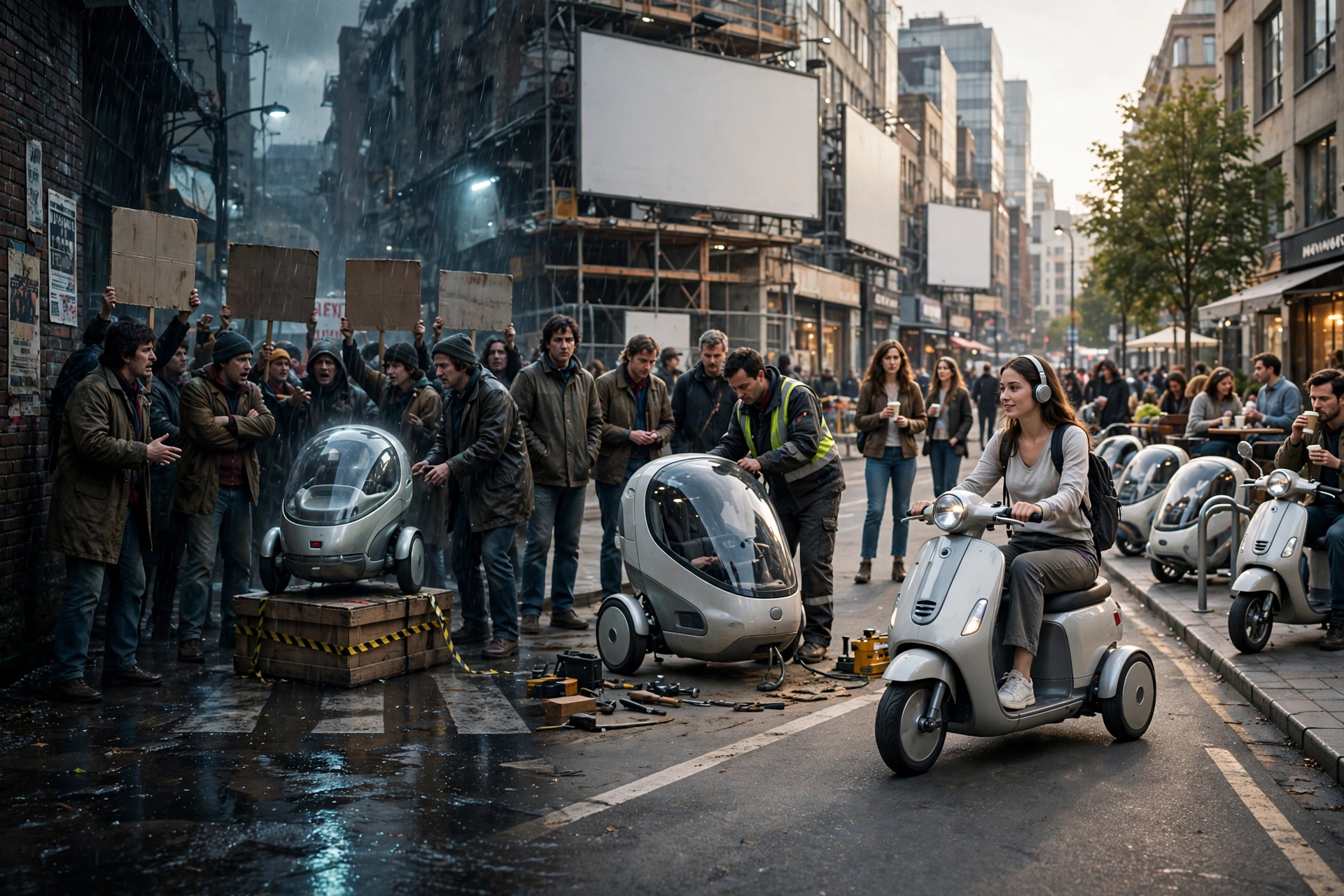
The future often arrives slowly, then all at once.
Many changes in society begin as unusual, controversial, or uncomfortable. Over time, repeated exposure can make those same ideas, technologies, and behaviors feel ordinary.
Familiarity changes perception.
The human brain adapts to repeated experiences. Something that once felt strange can become accepted simply because people encounter it often enough.
Convenience accelerates change.
When a new system makes life easier, adoption can spread quickly. People may accept major changes because the benefits are immediate, even if there are long-term trade-offs to consider.
Every generation has its own normal.
Technology, culture, communication, and expectations continue changing. What seems impossible or unusual to one generation can become everyday life for the next.
Awareness matters during transitions.
Change itself isn't always good or bad. The important skill is understanding what is changing, why it is changing, and how it affects your choices.
Adaptation is a survival skill.
People who can learn, adjust, and think critically are better prepared for a changing world. The goal isn't to fear change—it's to understand it.
The biggest shifts in society rarely happen overnight. They happen one small step at a time until one day everyone looks around and realizes the world has changed.







Comments
No comments yet, be the first submit yours below.