Why Renting Feels Permanent for Many

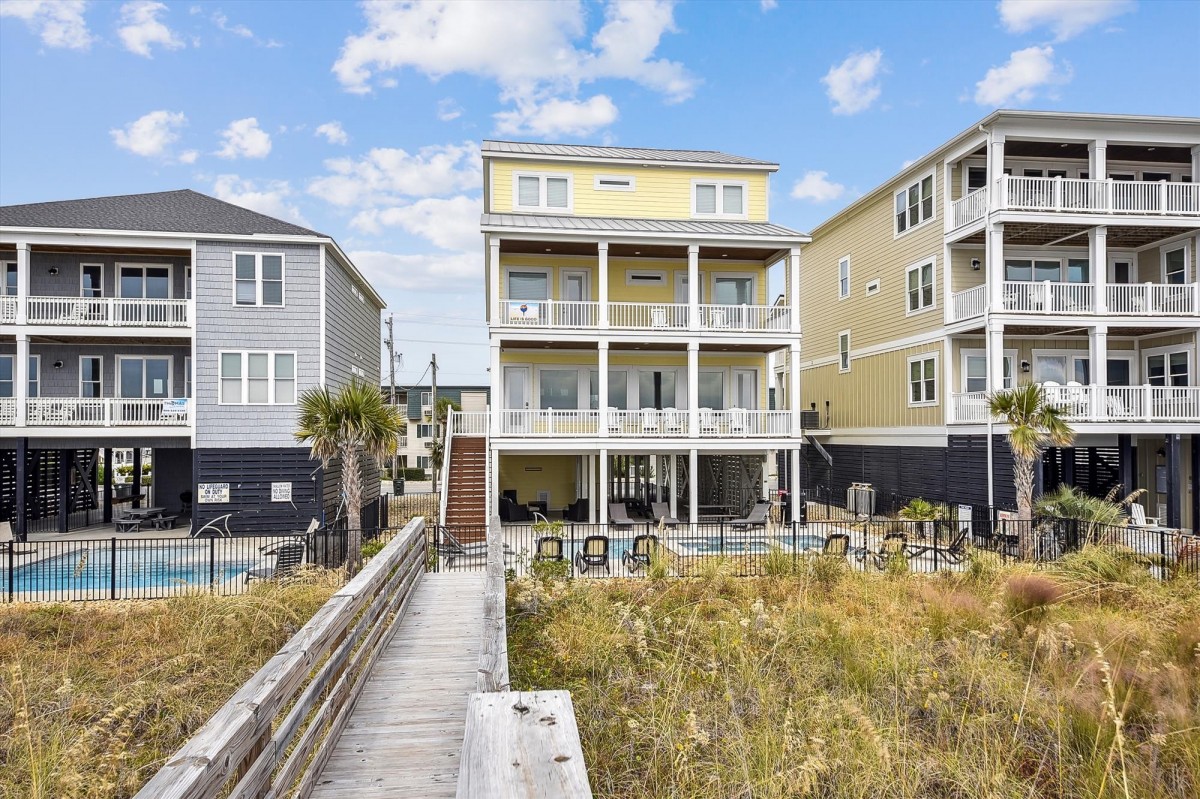
Renting is often framed as temporary—but for many, it becomes a long-term reality.
High property prices, rising interest rates, and urban migration make homeownership increasingly out of reach. Renters frequently find themselves renewing leases year after year, adjusting to increasing costs, and facing restrictions on personalization or long-term stability. What was intended as a stopgap often turns into a permanent lifestyle.
Control is limited.
Renters live under rules they cannot change: no major renovations, no pets in some cases, and dependence on landlords for maintenance. These limitations reduce autonomy and the ability to create a home that fully reflects personal choices.
Financial flexibility comes at a cost.
Renting allows avoidance of mortgage debt and property taxes, but monthly payments often rise faster than wages. Renters are frequently unable to build equity, leaving long-term financial growth stagnant while landlords benefit from asset appreciation.
Moving is stressful and frequent.
Job changes, rent increases, or landlord decisions force relocation. Packing, finding new schools, and adjusting to new communities create constant disruption, contributing to a sense of impermanence and instability.
Renter awareness can reclaim power.
Understanding rights, negotiating leases, and planning long-term housing strategies help renters navigate challenges more effectively. While ownership may be out of reach, informed tenants can still create stability and avoid being trapped in cycles of rent increases and displacement.
Rented life can feel temporary, but without planning and awareness, it can quietly become a permanent cycle of limited control and financial stagnation.







Comments
No comments yet, be the first submit yours below.