The Fragmented Identity Problem: Why Artists Feel Unrecognizable Online

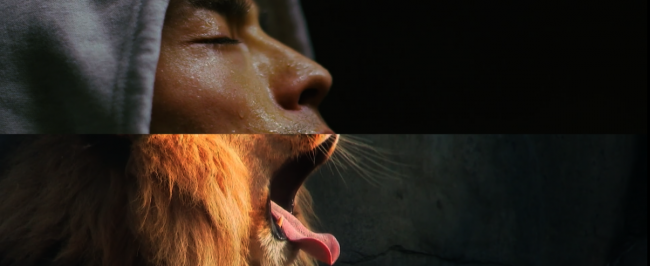
In 2026, many independent artists don’t struggle with talent or consistency—they struggle with identity fragmentation. Each platform rewards different behavior, formats, and tones. Over time, artists stretch themselves across too many versions of who they are. The result is a brand that feels blurry, even to the artist.
How Identity Fragmentation Happens
Fragmentation creeps in when:
• Tone changes across platforms
• Visuals lack cohesion
• Messaging shifts week to week
• Trends override personality
• Content is reactive instead of rooted
Why Platforms Encourage Shape-Shifting
Platforms reward adaptability, not coherence:
• Short-form favors extremes
• Trends reset weekly
• Algorithms push novelty
• Consistency feels punished
• Identity becomes flexible
If everything fits, nothing stands out.
Why Fans Struggle to Connect
Fragmented identity causes confusion:
• Fans can’t describe you
• Emotional connection weakens
• Trust erodes slowly
• Recognition drops
• Loyalty fails to form
Reclaiming a Unified Identity
Artists rebuild coherence by:
• Defining a core tone
• Anchoring visuals to emotion
• Limiting platform personas
• Repeating intentional themes
• Saying no to misaligned trends
Identity Creates Efficiency
Clear identity leads to:
• Faster content creation
• Stronger brand recall
• Consistent fan expectations
• Less creative exhaustion
• Easier decision-making
Coherence scales faster than adaptability.
Why Identity Outlasts Algorithms
Platforms change. Identity compounds:
• Fans follow across platforms
• New listeners understand faster
• Trust transfers between releases
• Messaging reinforces itself
• Longevity increases
Final Thought: Become Recognizable Again
Independent artists don’t need to be everywhere or everything. In 2026, the artists who win are the ones who feel the same everywhere. Recognition isn’t about repetition—it’s about alignment.






Comments
No comments yet, be the first submit yours below.