The Reverse Marketing Approach: Starting Promotion After Listening Peaks

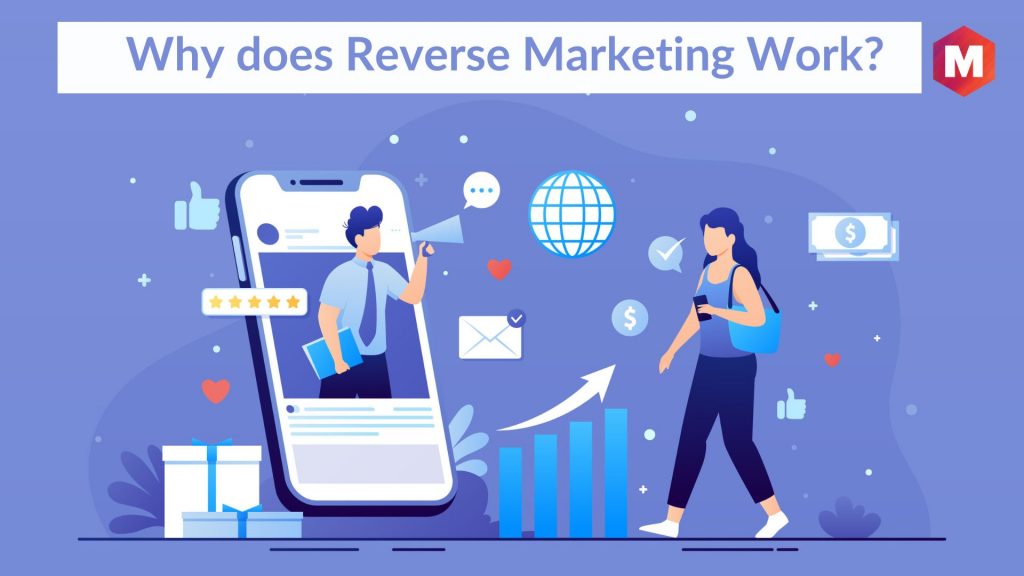
In 2026, independent artists often frontload all marketing before a release, but reverse marketing flips the strategy. By observing which tracks gain organic traction first, artists can focus promotion after initial listener interest peaks, maximizing impact and reducing wasted effort.
Why Reverse Marketing Works
• Promotes tracks that already show listener engagement
• Leverages organic trends for higher ROI
• Reduces upfront marketing costs
• Aligns promotional energy with audience interest
• Increases chances of playlisting and algorithmic boosts
Common Mistakes Artists Make
• Promoting every track equally without signals
• Spending heavily before knowing which songs resonate
• Ignoring data-driven insights
• Overlooking post-release content opportunities
• Failing to pivot strategy based on early metrics
Promote what works, not what you hope works.
How to Execute a Reverse Marketing Strategy
• Release music quietly to observe organic engagement
• Identify songs gaining streams, saves, or shares
• Amplify promotion only for high-performing tracks
• Use social media, email, and playlist pitching post-engagement
• Continuously monitor metrics to refine strategy
The Long-Term Advantage
• Reduced marketing waste
• Higher engagement efficiency
• Stronger fan loyalty from organic discovery
• Optimized playlist and algorithmic placement
• A repeatable strategy for each release
Final Thought
Independent artists in 2026 grow smarter by promoting what fans already love. Reverse marketing turns listener-driven signals into strategic action, ensuring every promotional effort counts and momentum compounds naturally.








Comments
No comments yet, be the first submit yours below.