How Music Shapes Culture and Controls Influence

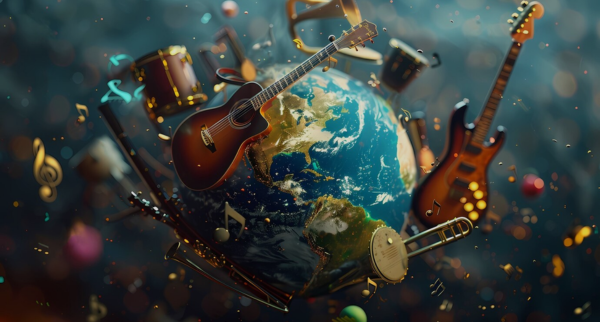
Music is more than entertainment — it’s a cultural force that shapes behavior, trends, and social perception. Every beat and lyric carries influence, whether people realize it or not.
Independent artists often lose momentum when platforms take down their work.
Distribution issues don’t just affect revenue — they affect cultural influence. A song removed from circulation interrupts the connection between artist and audience, breaking the ripple effect that drives trends.
Cultural influence depends on accessibility and presence, not just talent.
Social media amplifies music’s reach, but it also creates dependency. Algorithms control what is seen and heard, shaping collective attention in ways that often benefit corporations more than artists.
Attention is the true currency in music and culture.
Artists who understand both creativity and system dynamics can maintain momentum, protect influence, and create sustainable cultural impact despite platform restrictions.
Control over distribution is as critical as control over content.
Ultimately, music is a mirror and a driver of culture. Momentum, visibility, and strategy determine whether influence is fleeting or lasting.






Comments
No comments yet, be the first submit yours below.