You’re Paying More for Less—and It’s Designed That Way

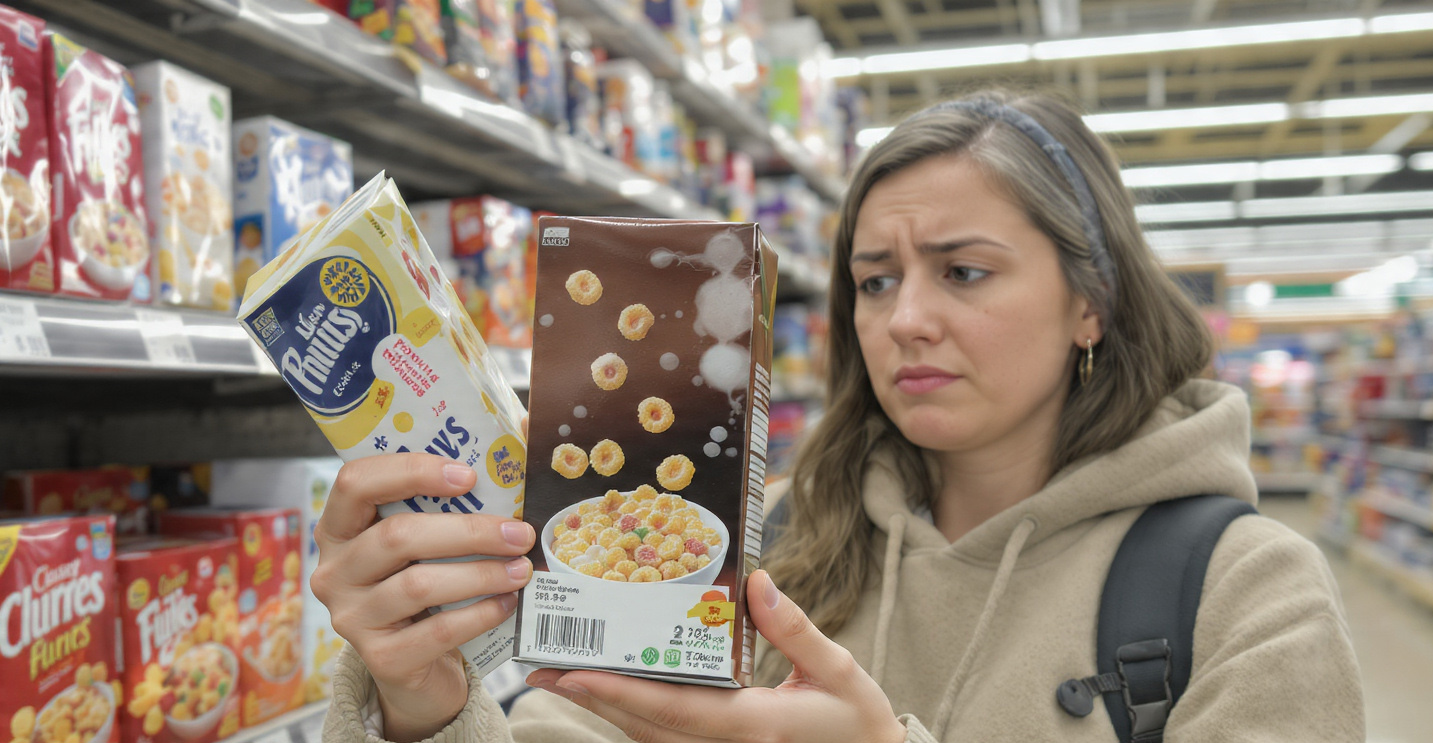
The price didn’t change—but the product did.
At first glance, everything looks the same. Same packaging, same branding, same price. But inside, there’s less—fewer ounces, smaller portions, reduced quantity. That’s shrinkflation, and it’s happening everywhere.
It’s a silent price increase.
Instead of raising prices directly, companies reduce the amount you get. It feels less noticeable, but over time, you’re paying more per unit without realizing it.
Psychology keeps it hidden.
Most people focus on the price tag, not the size. As long as the number stays familiar, the change slips under the radar. That’s exactly why this strategy works.
It’s not just groceries.
Shrinkflation shows up in food, household products, digital services, and even subscriptions. Value decreases while costs remain steady—or increase.
Inflation without backlash.
Raising prices triggers complaints. Shrinking products avoids attention. It’s a quieter way to protect profit margins while keeping customers from reacting immediately.
Awareness changes the game.
Checking unit prices, comparing sizes, and paying attention to details can help you spot it. Once you see it, it becomes impossible to ignore.
Shrinkflation isn’t new—but it’s more aggressive than ever. The real question is how much less you’re getting before you finally notice.









Comments
No comments yet, be the first submit yours below.