The Damage That Comes From What Never Happened


Emotional neglect isn’t loud. It doesn’t scream, accuse, or explode. It quietly withholds. Over time, the absence of emotional presence hurts more than overt harm. People can survive conflict—but they struggle to survive being unseen.
WHAT EMOTIONAL NEGLECT LOOKS LIKE
It’s the unanswered feelings. The conversations that never go deeper. The lack of curiosity about your inner world. Needs aren’t denied—they’re ignored.
WHY IT’S HARD TO NAME
Because nothing “bad” is happening. There’s no clear villain. Partners feel guilty for wanting more, questioning whether they’re asking too much.
THE LONG-TERM EFFECT
Chronic neglect trains people to minimize themselves. They stop sharing, stop asking, and eventually stop expecting connection.
ATTACHMENT WOUNDS
Emotional neglect activates deep childhood patterns. People either cling harder for scraps of attention or detach completely to avoid pain.
NEGLECT VS INDEPENDENCE
Healthy independence still includes emotional availability. Neglect is absence disguised as self-sufficiency.
WHY RESENTMENT GROWS
When emotional bids are ignored, resentment replaces affection. Love erodes not from betrayal, but from loneliness inside the relationship.
THE IMPACT ON SELF-WORTH
Being consistently overlooked damages self-esteem. People internalize neglect as unworthiness.
WHY PEOPLE STAY
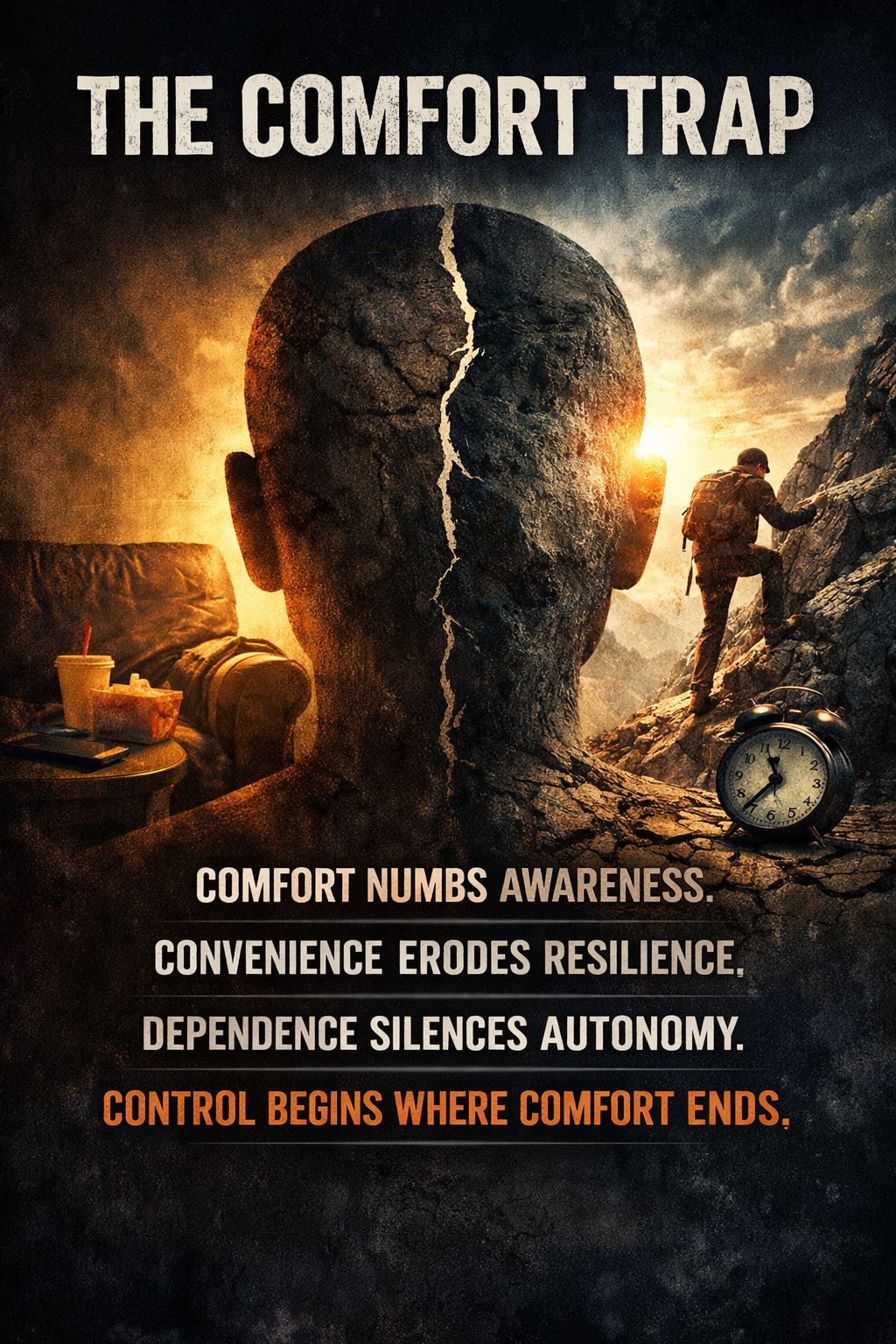
Neglect doesn’t create chaos—it creates comfort zones. People stay because leaving feels dramatic compared to the quiet pain of staying.
HEALING OR EXITING
Neglect can be repaired only when acknowledged. Without awareness and effort, distance becomes permanent.
THE HARD TRUTH
Being alone is painful. Being lonely with someone is worse.








Comments
No comments yet, be the first submit yours below.