The Hidden Influence of Shadow Networks in Global Finance

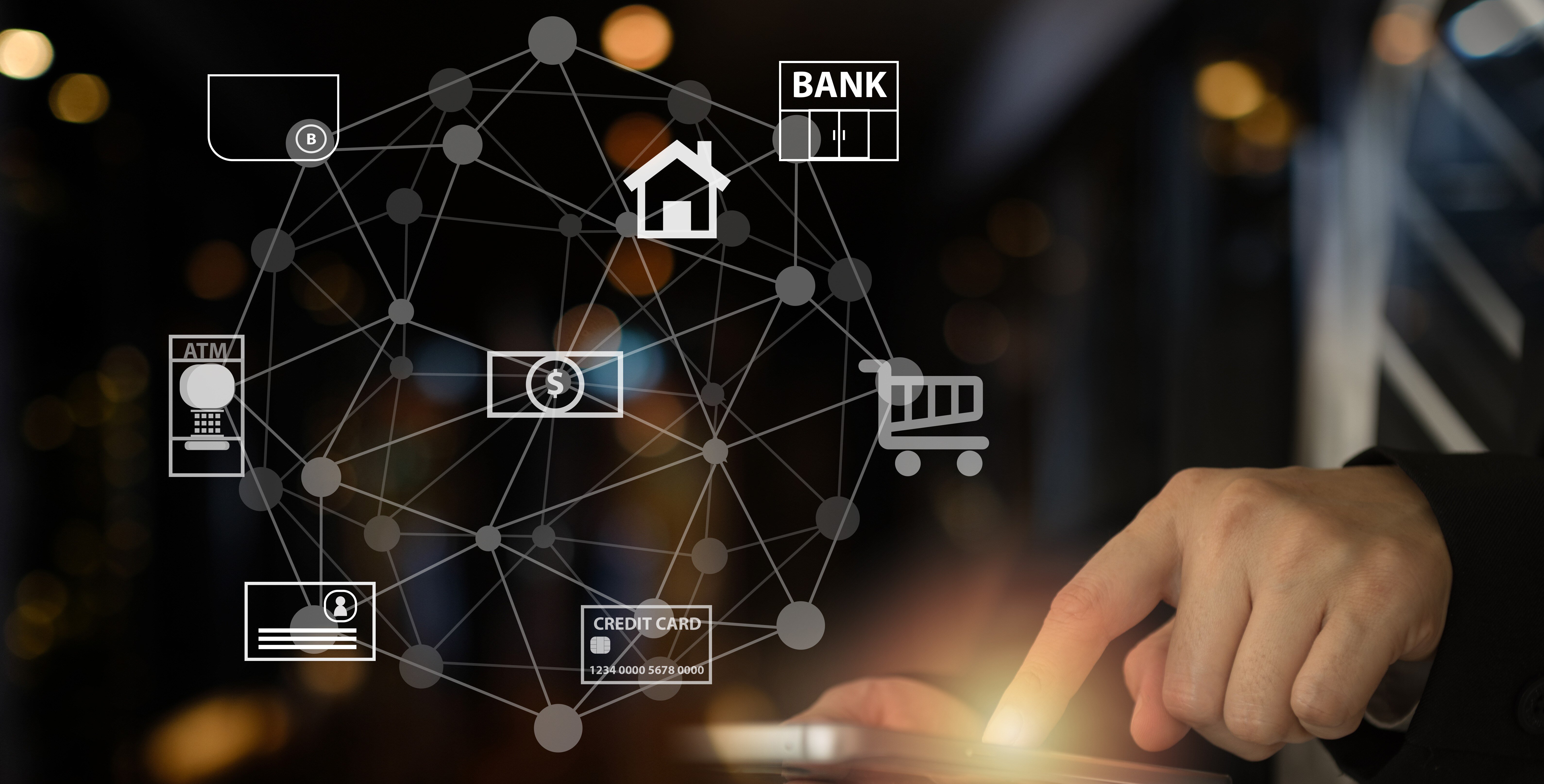
Not all financial power is visible — shadow networks control massive flows of money.
While banks and stock exchanges operate in the public eye, an enormous portion of global finance occurs in shadow networks, including offshore accounts, shell companies, and private investment vehicles. These hidden structures allow elites and multinational corporations to move capital without transparency. For truth-seekers, following the money reveals patterns of influence that rarely make headlines. Understanding these shadow systems is essential to uncover how wealth consolidates and how policies are shaped behind closed doors, often beyond public scrutiny.
Regulatory gaps enable exploitation.
Global regulations vary widely, and jurisdictions with lax oversight attract massive flows of unregulated capital. Complex legal structures obscure ownership, making it difficult for authorities to trace who controls assets. These gaps allow manipulation, tax avoidance, and influence over markets and governments. Even when loopholes are technically illegal, enforcement is inconsistent due to political and economic pressure. The interplay of regulation and opacity creates an environment where power can operate quietly, unnoticed by most citizens.
Connections between finance and political influence are subtle but significant.
Shadow networks often fund lobbying, political campaigns, and policy think tanks, shaping legislation without direct visibility. Individuals or organizations with access to hidden capital can affect decision-making at the highest levels. Unlike overt lobbying, these transactions remain largely invisible to the public. The influence is systemic, affecting regulations, economic priorities, and global trade practices. Understanding this network requires tracing indirect funding paths and identifying patterns in how wealth translates into power and policy outcomes.
Media narratives often obscure the truth.
Mainstream financial reporting focuses on public companies, stock exchanges, and visible markets. Stories about shadow banking rarely penetrate the headlines, leaving the general public unaware of the scale of hidden finance. This creates a knowledge gap, reinforcing trust in a system that is not fully transparent. Truth-seekers often rely on investigative reporting, leaked documents, and financial analysis to uncover connections that standard media overlooks. Recognizing the role of media framing is key to understanding how shadow networks maintain influence without public challenge.
Global crises reveal the fragility of the system.
Financial collapses, market manipulations, and sudden liquidity crises often originate from or are amplified by shadow networks. The 2008 financial crisis, for example, demonstrated how unregulated derivatives and offshore dealings could destabilize entire economies. Crises expose both the power of hidden actors and the risks inherent in opaque systems. They also show how ordinary citizens bear the consequences while the actors controlling these networks often avoid accountability. Awareness of these patterns helps understand how systemic shocks are not always random but can be engineered or exacerbated.
Offshore banking and shell companies hide both wealth and intentions.
Individuals and corporations use offshore structures to obscure ownership, move funds across borders, and avoid taxation. While some of this activity is legal, much exists in a gray area, facilitating secrecy and influence. For those seeking truth, tracking these entities requires understanding corporate structures, jurisdictional laws, and financial flows. The opacity allows for concentration of wealth and power in ways that remain largely immune to public oversight, maintaining systemic inequalities across nations.
Blockchain and digital currencies complicate the landscape.
Emerging financial technologies provide both transparency and concealment. Cryptocurrencies can be traced on public ledgers, yet anonymity protocols and decentralized exchanges offer ways to move capital with minimal visibility. These tools create new layers in shadow networks, challenging traditional enforcement while opening opportunities for both legitimate innovation and hidden manipulation. Understanding how digital currencies integrate with offshore and unregulated systems is crucial for anyone following hidden financial influence.
Accountability mechanisms are often symbolic rather than substantive.
International treaties, regulatory agencies, and audits exist to curb financial opacity, but enforcement is inconsistent. Fines, sanctions, and disclosure requirements often fail to address systemic manipulation or deter sophisticated actors. Truth-seekers find that compliance reporting can be performative, giving the appearance of oversight while structural control remains concentrated. Understanding the difference between symbolic and substantive accountability is key to seeing how shadow networks retain power despite nominal regulation.
Networks operate across borders, making jurisdiction a challenge.
Globalization allows capital to move freely across countries with varying legal frameworks. This mobility complicates enforcement, as no single nation can fully police cross-border financial activity. Coordination between regulators exists but is limited, allowing hidden networks to exploit gaps. For truth-seekers, this emphasizes the need for international perspective and the importance of tracking interconnected financial flows rather than focusing solely on domestic systems. True transparency requires viewing the system as a single, global ecosystem rather than isolated national markets.
Understanding hidden networks is essential for true financial awareness.
Shadow finance networks reveal how power and money operate beyond conventional visibility. They show that systemic influence often bypasses democratic accountability and standard reporting mechanisms. Recognizing these dynamics is essential for anyone concerned with economic justice, policy reform, or social equity. By studying these hidden structures, truth-seekers gain insight into how wealth consolidates, how policies are shaped, and how global systems can be manipulated. Awareness is the first step toward addressing systemic inequities and reclaiming transparency in global finance.





Comments
No comments yet, be the first submit yours below.