Tiny Spaces, Big Costs: The Shrinkflation of Modern Housing

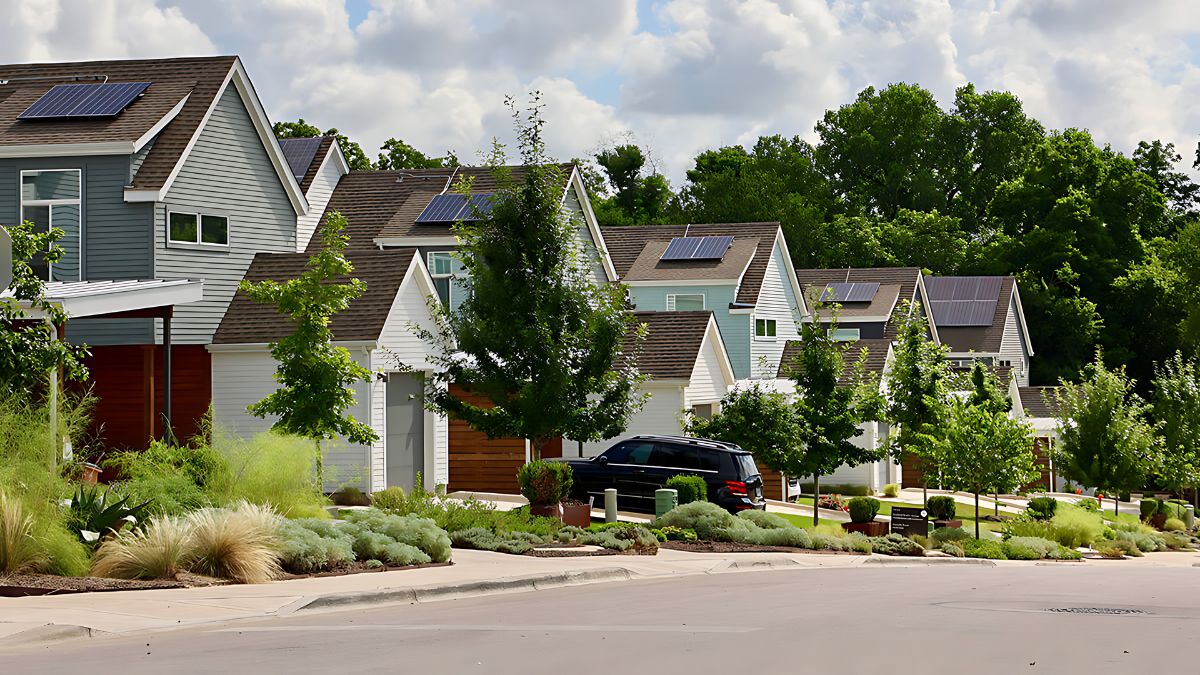
Same Price, Less Space
Just like products in stores, housing is experiencing its own version of shrinkflation. Square footage shrinks, layouts become more compact, and amenities are minimized — yet prices continue to climb. You pay the same or more, but get less usable space and fewer conveniences.
Micro-apartments, subdivided units, and minimalist condos are marketed as efficient or trendy, but the underlying truth is cost inflation disguised as lifestyle optimization. The “compact living” narrative masks the shrinking value of each dollar spent on housing.
Rising Expectations vs Reality
Developers advertise convenience, community, and design, but in reality, residents sacrifice storage, privacy, and comfort. Renters and buyers often discover that what was promised as modern and functional is actually a way to squeeze more profit per square foot.
Psychological Impact
Living in compressed spaces contributes to stress, fatigue, and frustration. Shrinkflation in housing isn’t just financial — it’s emotional. Clutter, lack of privacy, and cramped conditions erode quality of life, even if bills are technically affordable.
Strategies to Cope
Awareness is the first step. Seek units that maximize usable square footage, leverage creative storage solutions, or consider co-living arrangements where space is shared efficiently. In some cases, paying slightly more for larger or better-laid-out units can provide better long-term value.
The Hidden Cost
Shrinkflation in housing illustrates a broader truth: nominal costs aren’t always reflective of value. Evaluating space, amenities, and livability against price helps avoid being trapped in “smaller, costlier” situations. The key is intentional choices rather than passive acceptance of shrinking standards.
Housing shrinkflation is subtle but pervasive. Understanding it equips you to preserve comfort, mental well-being, and a sense of real value — despite the market’s relentless push to compress what you get for what you pay.










Comments
No comments yet, be the first submit yours below.