The Data Lie: Why Streaming Metrics Often Mislead Independent Artists

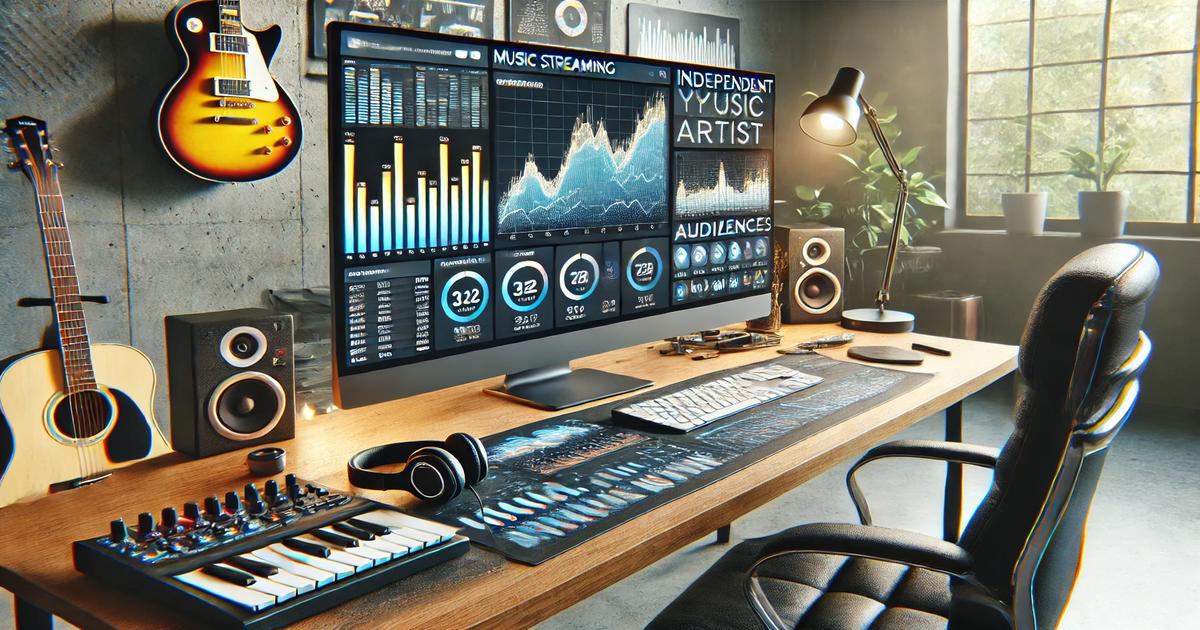
Independent artists in 2026 are obsessed with data. Stream counts, save rates, skip percentages, playlist placements, and follower growth dominate dashboards. On the surface, it looks like transparency. In reality, metrics often lie.
Artists can spend months optimizing for numbers that don’t translate into real fans, income, or career growth.
Numbers are only meaningful when you understand what they actually measure.
Why Streaming Metrics Are Misleading
Metrics create the illusion of control. Platforms provide precise data—but precision doesn’t equal relevance.
Artists see:
• 10,000 streams on a song
• 500 saves
• 100 new followers
But they rarely see:
• How many streams are from real fans vs passive listeners
• Whether followers actually engage
• How many plays are algorithmically recycled
• Which audiences convert to long-term supporters
Engagement ≠ Growth
High engagement metrics often feel like success, but they can mask stagnation.
Artists can have:
• Viral spikes that disappear overnight
• Playlist placements with no listener retention
• Fans who listen once and never return
Metrics reward attention—but not loyalty.
Metrics can validate effort but rarely validate strategy.
The Trap of Vanity Numbers
Independent artists often chase metrics that look impressive but don’t matter long-term.
Common vanity metrics include:
• Raw play counts
• Social media likes
• Reposts or shares
• “Followers” with no connection
Chasing these numbers creates activity, not leverage.
Why Context Matters More Than Numbers
Data without context is meaningless. A song with 1,000 deeply engaged fans can outperform one with 10,000 passive listeners.
Understanding where plays come from, who is sharing, and whether fans return is more important than the totals.
Algorithms Amplify, But Don’t Certify Success
High metrics can be platform-driven rather than fan-driven.
Playlists, algorithmic boosts, and platform testing can inflate numbers without creating organic growth.
When the algorithm changes, metrics can drop overnight, exposing artificial success.
Why Data Alone Can Destroy Confidence
Artists interpret metrics as truth. Low numbers cause self-doubt. High numbers create complacency. Both are dangerous if not analyzed critically.
Data can dictate mood, not strategy.
Without interpretation, metrics are emotional weapons, not tools.
How to Use Data Wisely
Independent artists should focus on:
• Retention: Are fans coming back?
• Conversion: Are listeners becoming supporters?
• Behavior: Are actions consistent across platforms?
• Signal: Can metrics inform decisions rather than justify them?
The Value of Direct Fan Data
Email lists, SMS contacts, and fan communities provide information that matters more than streams alone.
Direct data shows:
• Who truly engages
• Who spends money
• Who attends shows or merch drops
This is actionable insight, not vanity.
Final Thought: Don’t Let Numbers Control You
Metrics can guide decisions—but they cannot replace judgment, strategy, or relationship-building.
Streaming numbers tell you what happened. They rarely tell you what to do next.
Artists who succeed learn to interpret data without letting it define their worth.








Comments
No comments yet, be the first submit yours below.