Thinking Several Moves Ahead: Life Lessons From Chess

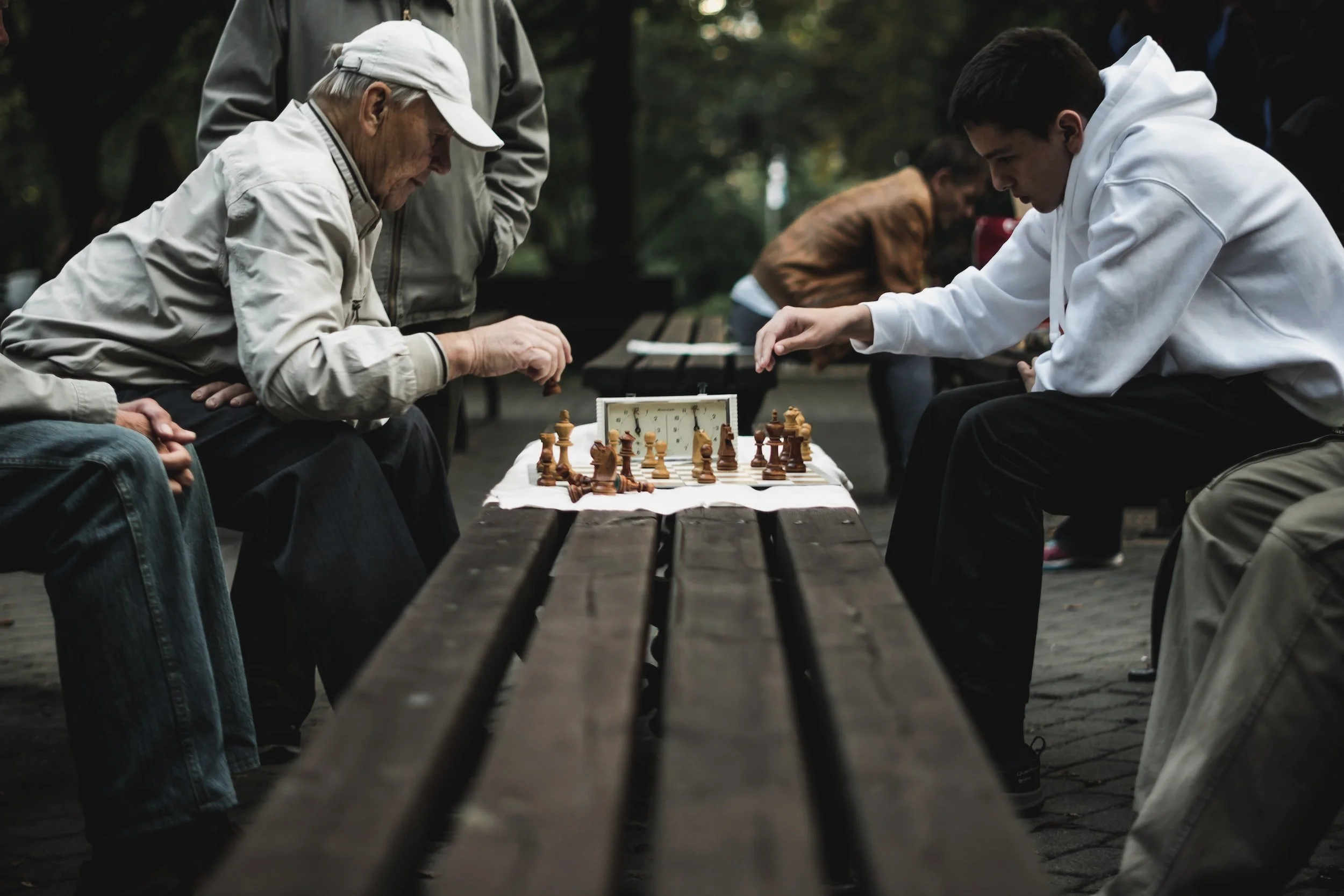
Chess isn’t just a game; it’s a blueprint for strategic thinking in life. In 2026, applying the principle of thinking several moves ahead has completely changed how I approach decisions, from career and finances to personal growth. Chess teaches that foresight, patience, and anticipation can turn uncertainty into opportunity, and these lessons are directly applicable to real-world challenges.
1. Anticipate Consequences Before Acting
Every choice triggers reactions beyond the immediate moment.
In chess, each move influences future positions. Similarly, life decisions—accepting a job, investing in a project, or starting a new relationship—have ripple effects. Considering the consequences of multiple “moves ahead” reduces mistakes and aligns actions with long-term goals.
2. Plan But Stay Flexible
Even the best strategy must adapt to changing circumstances.
No plan survives unchallenged. Chess players adjust to their opponent’s moves, and in life, flexibility is key. The ability to pivot while keeping sight of objectives ensures progress even when conditions shift unexpectedly.
3. Prioritize Position Over Immediate Gain
Sometimes long-term advantage outweighs short-term wins.
Chess rewards building strength and control rather than chasing instant victories. In life, investing time in skill development, relationships, and foundational projects pays off more than quick wins that fade.
4. Evaluate Risks and Rewards
Every decision has potential upside and downside.
Chess requires weighing the value of a move against potential consequences. Life decisions benefit from the same mindset: assessing risks, predicting outcomes, and making calculated choices increases success and reduces regret.
5. Conserve and Deploy Resources Wisely
Time, energy, and attention are your most valuable assets.
Like chess pieces, every resource has strategic value. Prioritizing where and when to expend effort ensures efficiency and maximizes impact across multiple areas of life.
6. Learn From Every Outcome
Mistakes aren’t failures—they’re lessons for future moves.
Chess players review games to improve. Applying this mindset to life turns challenges and setbacks into actionable lessons, improving decision-making and strengthening resilience over time.
Final Thought
Thinking several moves ahead isn’t just for chess—it’s a life strategy. Anticipating consequences, planning with flexibility, evaluating risks, and learning from each outcome transforms uncertainty into opportunity, enabling intentional, strategic living in 2026 and beyond.











Comments
No comments yet, be the first submit yours below.