How Streaming Platforms Are Redefining Music Ownership and Artist Control

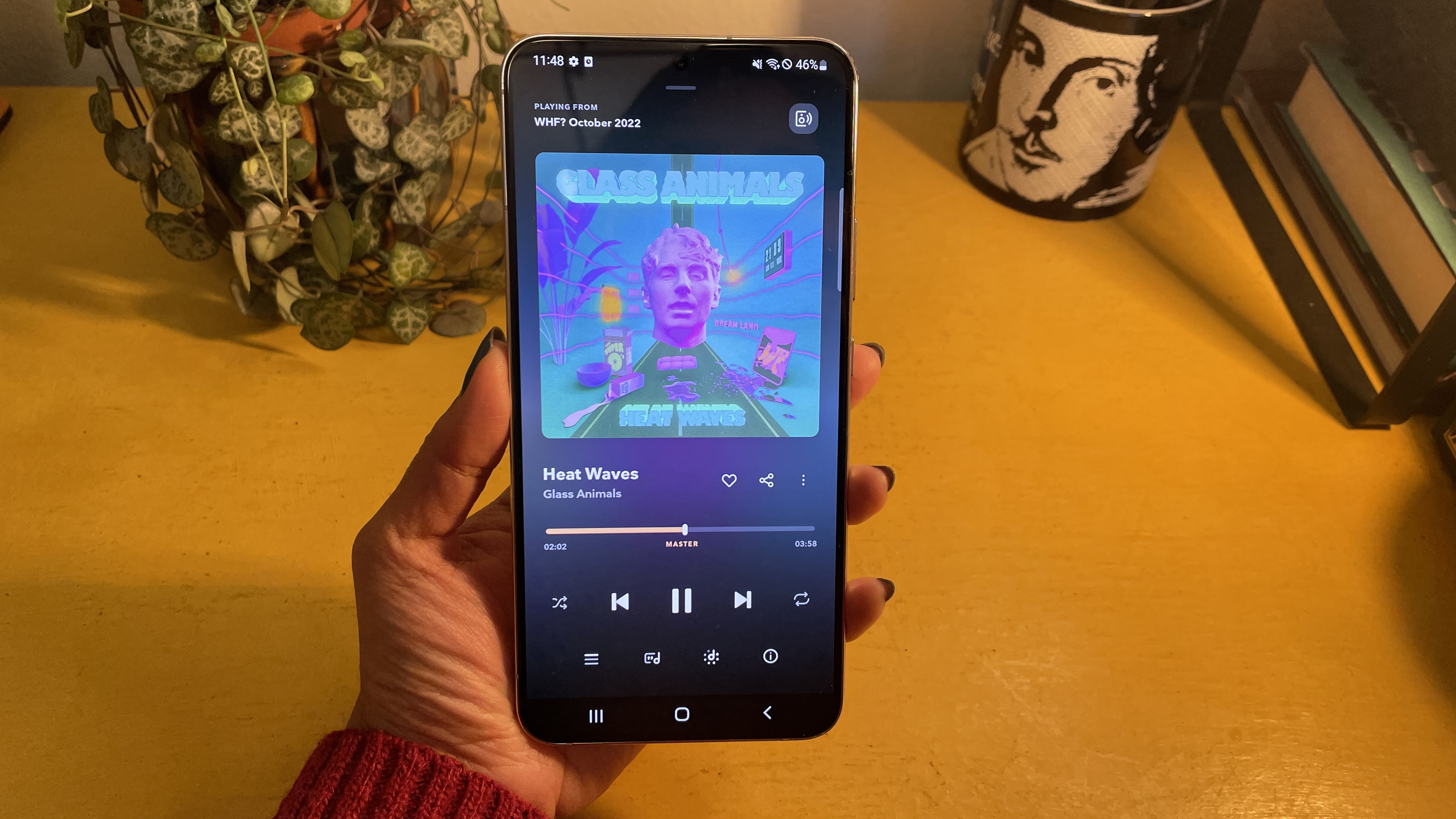
The rise of streaming platforms has fundamentally altered how music is consumed, valued, and owned. Listeners no longer purchase albums or physical copies; instead, they access vast libraries through subscriptions or ad-supported models. This shift changes the relationship between artists and audiences, as control over distribution, revenue, and exposure increasingly lies in the hands of platform algorithms. Traditional concepts of ownership, royalties, and influence are being rewritten in real time.
Streaming has democratized access but introduced new challenges for artists. Independent musicians can reach global audiences without label support, yet visibility is dictated by curated playlists, algorithmic recommendations, and platform promotion strategies. Success is often contingent on understanding these systems, rather than purely on artistic talent. Artists must navigate digital marketing, data analytics, and audience engagement to gain traction, adding layers of business complexity to creative work.
Revenue models have shifted dramatically. Streaming pays per play, often fractions of a cent, leading many artists to rely on tours, merchandise, and sponsorships for sustainable income. This contrasts sharply with the traditional ownership model, where album sales and publishing rights generated long-term royalties. Control over one’s work now includes strategic distribution, playlist positioning, and audience engagement metrics, making management skills essential for survival in the digital music economy.
Algorithms drive discovery, influence trends, and shape culture. Platforms like Spotify, Apple Music, and YouTube Music prioritize content likely to generate engagement, often favoring formulaic or viral tracks. Listeners are subtly guided toward specific genres, moods, or artists, which can amplify some voices while marginalizing others. Understanding algorithmic influence allows artists to tailor their strategies without sacrificing authenticity, and listeners to remain aware of how their tastes are shaped.
Ownership concepts have shifted from tangible media to digital control. While music is widely accessible, artists often relinquish some rights to platforms or labels for visibility. Licensing agreements, distribution deals, and platform terms dictate how work is monetized and shared. Legal literacy, negotiation skills, and awareness of contracts have become critical tools for musicians seeking to maintain control over their creations.
Culture itself is being influenced by streaming trends. Viral hits, algorithm-driven collaborations, and curated playlists impact societal tastes and trends faster than traditional radio or album releases ever did. Music has become a reflection of global digital culture, with audiences shaping trends in real time. Artists and producers must adapt quickly to changing demands while preserving creative integrity, balancing commercial pressures with artistic expression.
Listeners also experience a change in value perception. Music is abundant and instantly available, which can lead to undervaluing the creative work behind it. The intangible nature of streaming, combined with subscription models, challenges the traditional concept of owning music as a personal or collectible asset. Awareness of this shift affects how audiences interact with artists, the cultural weight of music, and how fandoms develop.
Legal and financial structures are evolving alongside technology. Copyright enforcement, royalty collection, and intellectual property protections are being updated to reflect the streaming era. Artists must remain vigilant in protecting rights, monitoring revenue, and understanding contracts that may include clauses for global streaming, derivative works, or synchronization licenses. Knowledge and strategy are essential to ensure fair compensation in the modern music ecosystem.
In conclusion, streaming platforms have redefined music ownership, artist control, and cultural influence. The shift from physical and digital sales to algorithm-driven access requires artists to navigate marketing, legal, and strategic complexities while maintaining creativity. Listeners experience abundant access but must remain aware of how platforms shape perception and influence trends. Understanding the new dynamics of music in the streaming era is critical for artists, fans, and the broader cultural landscape alike.









Comments
No comments yet, be the first submit yours below.