Why Bitcoin Keeps Attracting the Middle Class

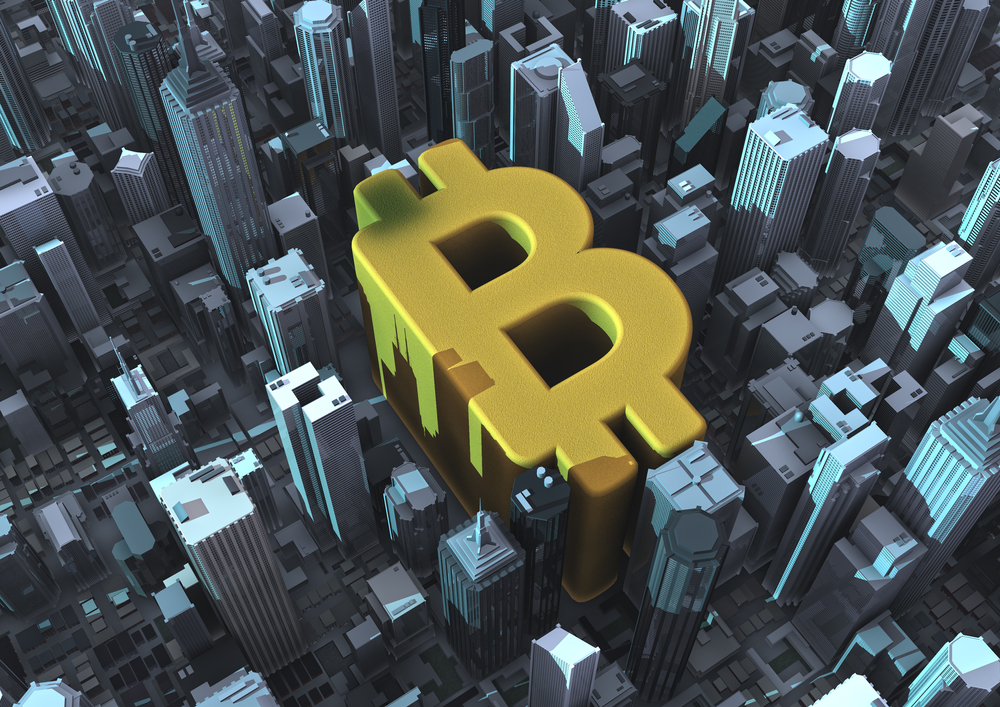
The middle class isn’t drawn to Bitcoin because it’s trendy — it’s drawn because traditional paths feel increasingly fragile. Wages lag behind inflation, savings lose purchasing power, and long-term security feels delayed or denied. Bitcoin enters that gap as an alternative narrative, not a guaranteed outcome. It represents an asset outside employer dependency and policy drift.
THE SAVINGS PROBLEM NO ONE TALKS ABOUT
For decades, saving money meant patience and discipline. Today, saving often means watching value erode quietly over time. When people realize that doing “everything right” still leaves them behind, they start looking for assets with different rules. Bitcoin’s fixed supply speaks directly to that frustration.
ACCESS MATTERS
Real estate requires leverage, approval, and location. Stocks require intermediaries and market hours. Bitcoin requires an internet connection and personal responsibility. That accessibility lowers the barrier for participation while increasing the burden of self-education.
RISK IS RELATIVE
To some, Bitcoin feels risky because it’s volatile. To others, relying entirely on debt-driven systems feels riskier. The perception of risk shifts when stability becomes uncertain. Bitcoin doesn’t eliminate risk — it reframes it.
THE HARD TRUTH
Bitcoin isn’t a shortcut to wealth, and it isn’t a guarantee of escape. It’s a tool people turn to when traditional promises feel thinner. Whether it succeeds or not, its appeal reveals a deeper truth about economic confidence — or the lack of it.








Comments
No comments yet, be the first submit yours below.