Why Everyone Needs a Modern Emergency Prep Plan

Emergencies are no longer rare anomalies—they are a predictable part of modern life. Natural disasters, cyber attacks, economic instability, and public health crises can disrupt daily routines at a moment’s notice. Despite this, many people lack a structured plan to protect themselves, their families, and their assets. Modern emergency preparedness is about more than stockpiling supplies; it’s about creating systems, knowledge, and routines that allow you to survive and adapt no matter what unexpected challenges arise.
The foundation of a prep plan is assessment. Understanding local risks, climate conditions, and infrastructure vulnerabilities allows individuals to prioritize actions. Different regions face different threats—floods, hurricanes, earthquakes, or power grid failures—so a tailored approach is essential. Risk assessment informs everything from emergency supplies to evacuation routes and communication strategies, ensuring preparedness is relevant and actionable.
Supply management is critical. Stockpiling food, water, medical supplies, and essential tools ensures basic survival during disruptions. Modern preppers also focus on redundancy: multiple sources of water, alternative energy solutions like solar power, and portable cooking options. These measures reduce reliance on fragile supply chains and create resilience against shortages or delays in aid delivery.
Communication and information systems are essential. During emergencies, traditional networks may fail, so having backups—such as radios, satellite phones, and digital emergency networks—is crucial. Knowing how to access reliable information, alerts, and updates can mean the difference between safety and vulnerability. Prepping includes familiarizing oneself with emergency codes, evacuation protocols, and local emergency resources.
Skills and knowledge often outweigh equipment. Knowing basic first aid, navigation, fire-starting, water purification, and self-defense ensures that you can survive independently if technology fails. Community skills like bartering, resource sharing, and group coordination strengthen collective survival. Modern emergency preparedness combines both individual capability and community collaboration for maximum resilience.
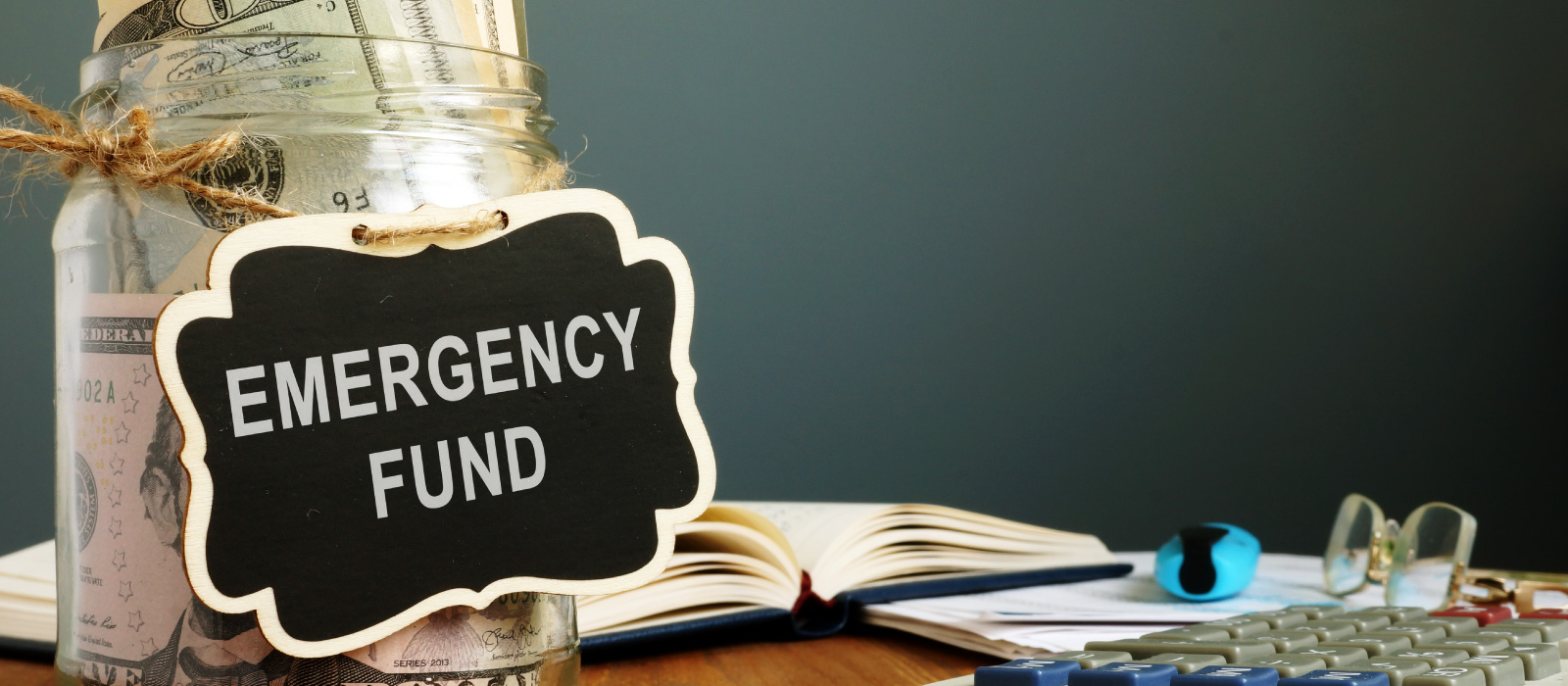
Financial contingency planning is often overlooked. Access to cash, alternative currencies, and diversified assets can provide flexibility during crises when electronic systems fail. Protecting important documents, creating emergency funds, and knowing how to secure assets under duress are integral parts of preparedness. A well-planned financial strategy supports adaptability and long-term security during uncertain events.
Mental preparedness is just as important as physical readiness. Stress, uncertainty, and fear can compromise decision-making during emergencies. Developing routines, mental resilience, and stress management strategies helps individuals remain calm and act effectively. Mental training includes scenario planning, simulations, and practice drills to reinforce confidence and reduce panic during real crises.
Technology can both help and hinder preparedness. Smart devices, apps, and online communities offer information and tracking but may fail during outages. Balancing reliance on technology with analog solutions—maps, compasses, paper logs, and manual tools—ensures self-sufficiency. Awareness of technology limitations is a critical aspect of modern survival planning.
In conclusion, modern life demands comprehensive emergency preparedness. By assessing risks, managing supplies, securing communication, developing skills, planning financially, and strengthening mental resilience, individuals can survive and thrive during crises. Emergencies are inevitable, but being prepared transforms vulnerability into control. A modern prep plan is not paranoia—it is practical foresight that ensures safety, adaptability, and survival in an unpredictable world.










Comments
No comments yet, be the first submit yours below.