The Prison-to-Poorhouse Pipeline: Economic and Social Control

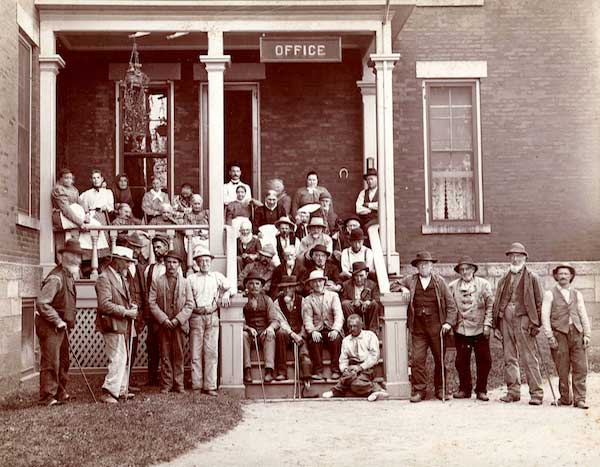
From Incarceration to Poverty
The prison system has long functioned as a tool to maintain economic control over Black communities. Once released, formerly incarcerated individuals face limited job prospects, housing discrimination, and reduced access to social services. This creates a cycle where poverty and incarceration reinforce one another, trapping generations in economic precarity.
Barriers to Employment
A criminal record disproportionately affects Black workers, even for minor offenses. Employers often refuse to hire applicants with any history of incarceration. Combined with systemic educational and economic disparities, this creates significant barriers to upward mobility.
Housing Discrimination
Formerly incarcerated individuals face challenges securing housing, particularly in communities that have been historically redlined or targeted for displacement. Denial of housing perpetuates instability, pushes families into overcrowded or substandard living conditions, and reinforces cycles of poverty and marginalization.
Social Stigma and Political Disenfranchisement
Being labeled a “criminal” carries social stigma, reducing access to community participation and political influence. In many states, those with felony convictions are barred from voting, limiting civic engagement and the ability to advocate for systemic reform.
Breaking the Cycle
Activists and organizations advocate for reentry programs, fair hiring practices, expungement policies, and equitable housing opportunities. Addressing the prison-to-poorhouse pipeline is essential for dismantling systemic inequality and restoring opportunities for Black communities historically targeted by these interlinked systems of oppression.
Understanding the prison-to-poorhouse pipeline highlights how modern policies continue patterns of control and economic suppression, emphasizing the need for structural reform to achieve racial justice.









Comments
No comments yet, be the first submit yours below.