Why Validation Feels Like Love — But Isn’t

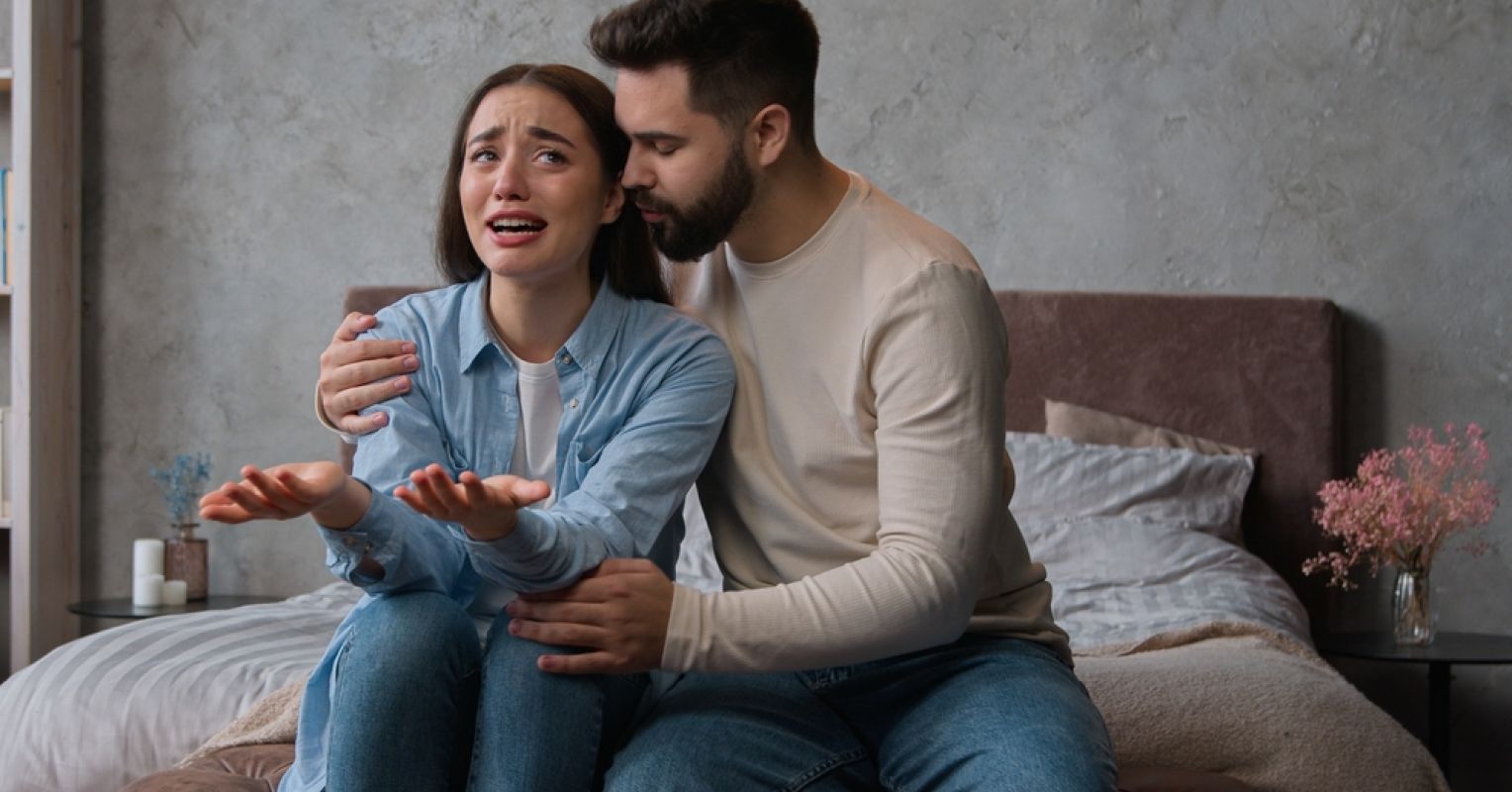
Many people think they want love, but what they’re actually addicted to is validation. The attention, reassurance, and emotional highs feel like connection—but they’re closer to a dopamine hit than genuine intimacy. Emotional addiction keeps people chasing feelings instead of building bonds.
VALIDATION VS CONNECTION
Validation soothes insecurity temporarily. Connection requires vulnerability, consistency, and accountability. One feels exciting; the other feels stable. Modern culture confuses the two.
WHY IT FEELS SO STRONG
Validation activates reward centers in the brain. Compliments, messages, likes, and interest trigger dopamine, creating a craving loop that mimics addiction.
THE ATTENTION LOOP
When validation fades, anxiety rises. People seek reassurance through flirting, posting, or emotional outsourcing instead of addressing the underlying insecurity.
EMOTIONAL CHEATING WITHOUT TOUCH
Validation-seeking often crosses boundaries without physical contact. Emotional intimacy leaks outward while the primary relationship starves.
WHY STABLE LOVE FEELS DULL
Consistency doesn’t spike dopamine. For emotionally dysregulated people, calm feels empty, leading them to self-sabotage healthy relationships.
INSECURITY FUELS THE CYCLE
People who doubt their worth outsource self-esteem. External validation becomes a requirement instead of a bonus.
THE COST TO RELATIONSHIPS
Partners feel used as emotional regulators rather than chosen companions. Over time, trust erodes and resentment builds.
BREAKING THE ADDICTION
Security comes from self-trust, boundaries, and internal validation. Without that foundation, no amount of attention will ever feel like enough.
REAL INTIMACY
Intimacy grows when validation isn’t demanded but shared. It’s quieter, slower, and far more sustainable.
THE HARD TRUTH
If you need constant validation to feel loved, you’re not in love—you’re feeding a wound.








Comments
No comments yet, be the first submit yours below.