The Calm Obedience

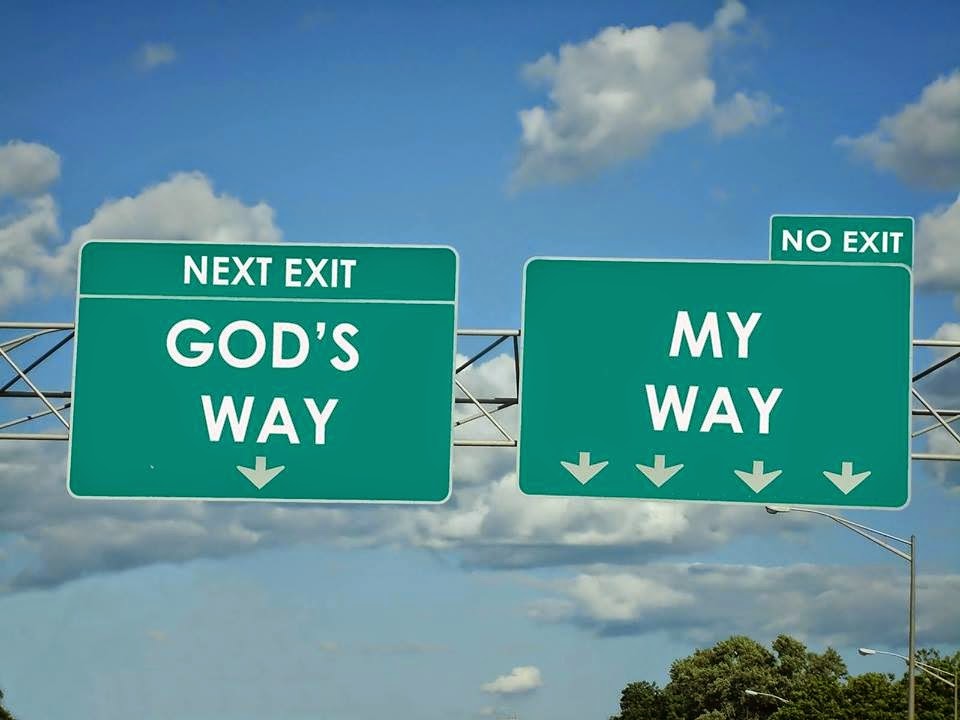
Modern systems no longer rely on fear to secure compliance. They rely on calm. Stability is presented as the highest good, and disruption is framed as danger. People learn to self-regulate in ways that protect the structure. Obedience becomes internal, quiet, and efficient.
Behavior is shaped through incentives, not commands. Rewards arrive immediately, while consequences are delayed and diffuse. Over time, decision-making narrows toward what preserves access. Autonomy erodes without confrontation. The system does not punish dissent; it starves it.
Psychology smooths the process. Routine becomes identity. Questioning feels unnecessary when life functions on schedule. Surveillance fades into the background when nothing appears wrong. Control succeeds when it feels like normalcy.
Social environments reinforce the pattern. Calm participation is praised as maturity. Friction is labeled instability. Silence is mistaken for agreement. Power prefers predictable citizens to passionate ones.
The hard truth is structural. Obedience no longer looks like force; it looks like peace. Systems thrive when calm replaces awareness. Quiet power comes from noticing what calm is protecting. Awareness restores choice without noise.








Comments
No comments yet, be the first submit yours below.