The Cycle You Can’t See Is Controlling You

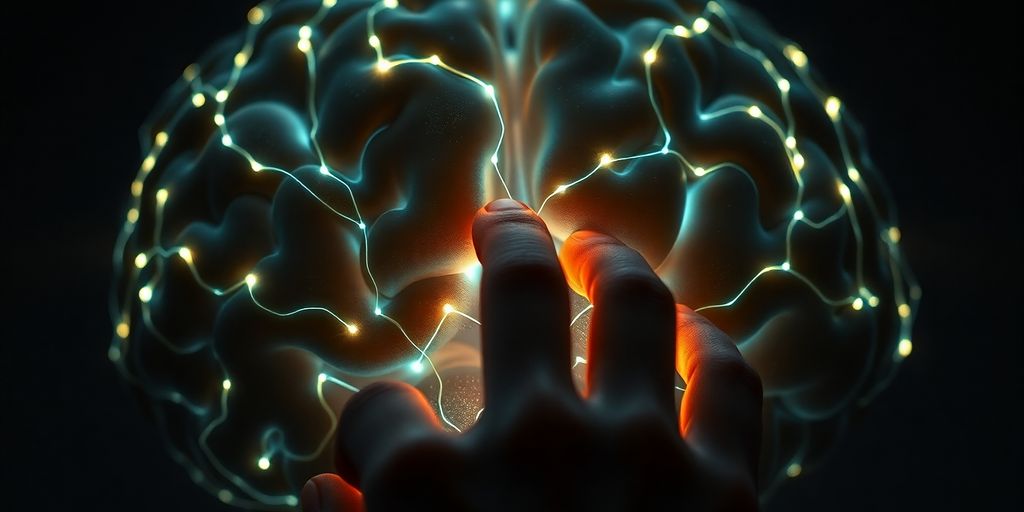
Addiction isn’t just about substances. It’s about patterns, repetition, and dopamine-driven behavior. Every notification, reward, or habit loop taps into the brain’s craving circuits. The more predictable the loop, the stronger the compulsion. Over time, people stop acting consciously and start reacting automatically, caught in cycles they barely recognize.
WHY IT HAPPENS
The brain seeks reward and avoids pain. Modern systems exploit this with instant gratification and endless options. Attention is monetized, dopamine is engineered, and willpower is tested constantly. What feels like choice is often just a preprogrammed response to stimuli.
THE FEEDBACK LOOP
Every action reinforces the next. Checking a phone, scrolling a feed, or indulging a habit triggers a tiny chemical reward. That reward conditions repetition. Small, repeated behaviors accumulate into a loop that shapes daily routines, priorities, and even identity.
WHY IT’S DANGEROUS
Addiction loops don’t just steal time — they erode autonomy. Decision-making becomes reactive, creativity diminishes, and focus fractures. Once the loop strengthens, breaking free feels exhausting and nearly impossible without deliberate interruption.
THE WAY OUT
Awareness is power. Identifying loops, introducing friction, and reclaiming attention disrupts the cycle. Conscious behavior, even small steps, rewires habits. Control returns not through avoidance alone, but by understanding the loop and strategically breaking it.





Comments
No comments yet, be the first submit yours below.