Bitcoin vs Real Estate: Ownership Without Permission

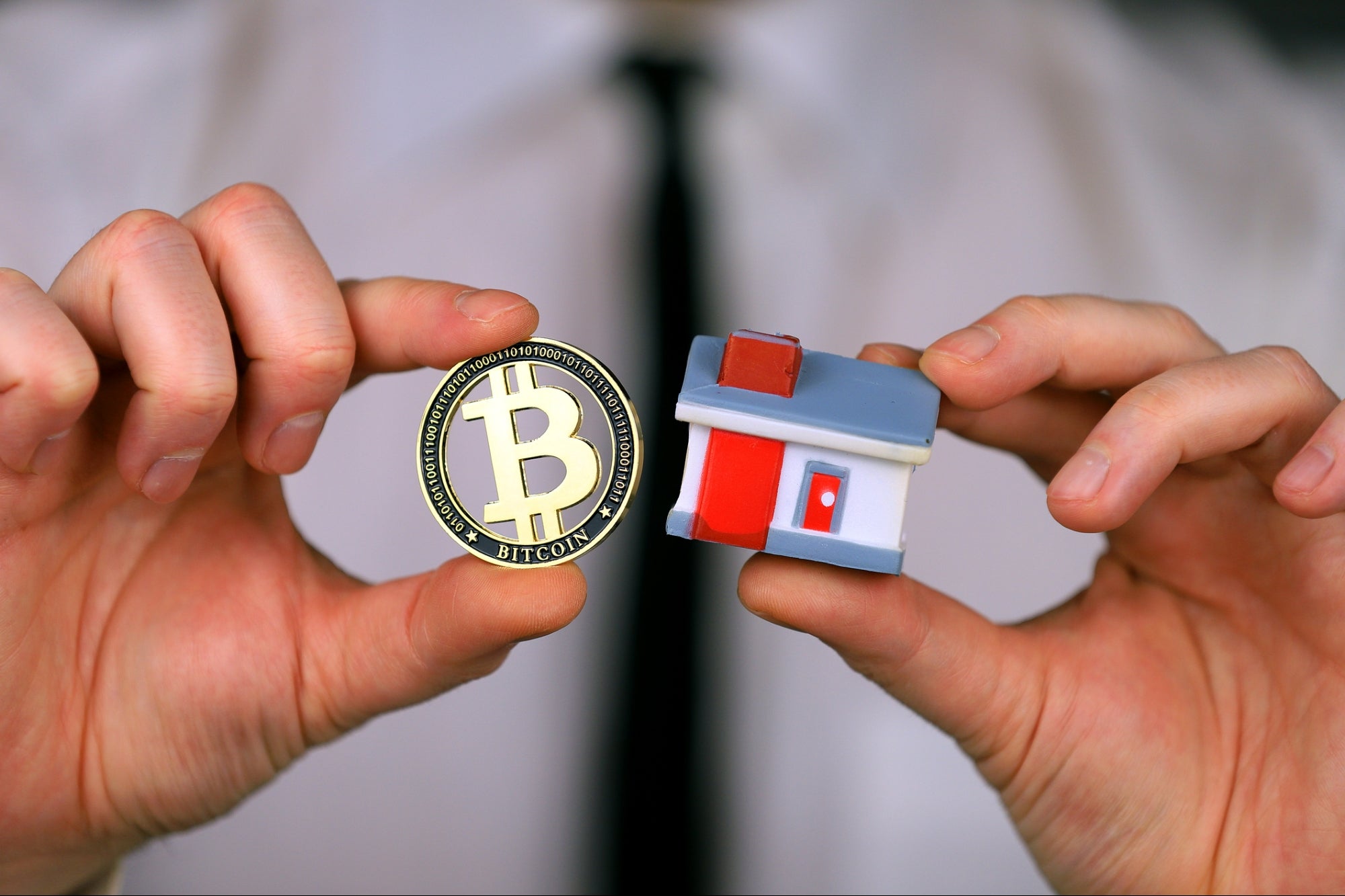
Real estate has long been framed as the safest path to wealth, but that narrative depends on leverage, approval, and stability. Mortgages require permission, zoning requires compliance, and liquidity arrives only when conditions allow. Bitcoin challenges that model by offering ownership without gatekeepers.
LEVERAGE CUTS BOTH WAYS
Property magnifies gains through debt, but it also magnifies risk. Rising rates, taxes, repairs, and vacancies quietly erode returns. What looks stable on paper can become fragile when costs move faster than income.
LIQUIDITY IS A FORM OF FREEDOM
Real estate locks capital in place. Bitcoin keeps it mobile. The ability to rebalance instantly, move value across borders, or adjust exposure without months of friction changes how risk is managed. Liquidity isn’t just convenience — it’s optionality.
OWNERSHIP VS ACCESS
Property ownership often feels absolute until rules change. Bitcoin ownership is defined by keys, not institutions. That difference matters in environments where policy, taxes, or access can shift overnight.
THE HARD TRUTH
Bitcoin doesn’t replace real estate; it competes with its role as a store of value. As living costs rise and renting becomes normalized, assets that don’t demand leverage or location gain psychological and financial appeal.







Comments
No comments yet, be the first submit yours below.