The Game Is Free — You’re the Product

Free-to-Play Isn’t Free
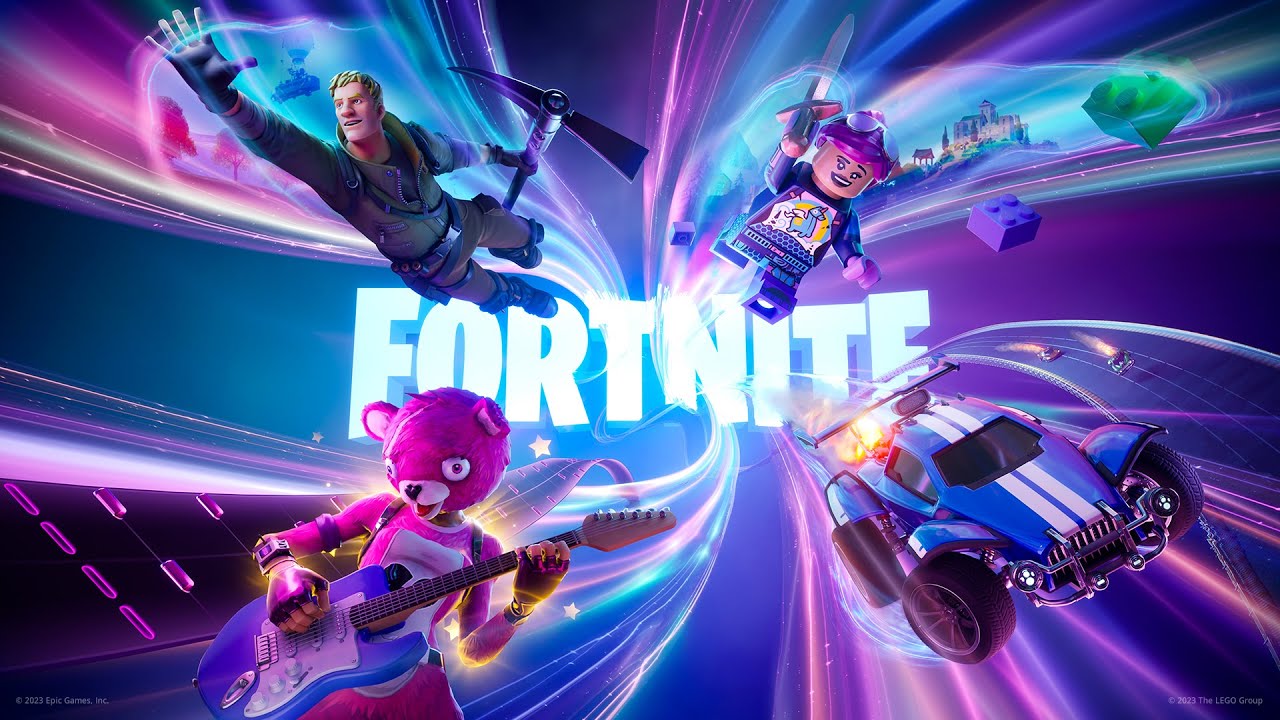
When Fortnite exploded under Epic Games, people celebrated the word “free.” No $60 price tag. No disc. Just download and play. But free-to-play doesn’t remove money from the equation — it relocates it. The cost shifts from entry to engagement.
Instead of paying upfront, you pay in microtransactions, skins, battle passes, and limited-time cosmetics. The genius isn’t the price. It’s the psychology. Small purchases feel harmless. Ten dollars here. Eight dollars there. Before long, you’ve spent more than a traditional game ever cost.
Cosmetics and Status Hierarchy
Skins don’t change gameplay — but they change perception. Rare outfits signal dedication. Exclusive drops signal timing. Collaboration skins signal cultural alignment. Inside the digital arena, appearance becomes currency.
It mirrors real life. We signal status through clothes, devices, and brands. Games simply compress the cycle. Instead of seasonal fashion, it’s seasonal updates. Instead of malls, it’s digital item shops. Identity becomes purchasable and instantly visible.
The Battle Pass Blueprint
The battle pass model perfected retention. Pay once, unlock rewards over time. But to maximize value, you must keep playing. That’s the hook. It turns entertainment into obligation. Miss a week and you fall behind.
This isn’t accidental. Time-limited rewards activate urgency. Progress bars activate completion bias. Daily challenges create routine. The system blends fun with behavioral engineering — just subtle enough that it feels voluntary.
Whales and the 1% Economy
In most free-to-play ecosystems, a small percentage of players fund the majority of revenue. They’re called “whales.” High spenders who purchase premium bundles, exclusive items, and shortcuts. The game is balanced around them — not the average player.
This creates a hidden economic hierarchy. The experience of a casual player differs from someone who spends heavily. Access accelerates. Cosmetics stack. Limited items compound in perceived value. Digital scarcity becomes monetized leverage.
Virtual Scarcity, Real Money
What makes a digital skin valuable? Code. Scarcity rules written by developers. When supply is limited, demand spikes. Even though the asset is infinitely reproducible, artificial caps create urgency. It’s not about utility. It’s about perception.
The modern battlefield isn’t just about aim and reflexes. It’s about attention, retention, and monetization loops. Game companies don’t just design mechanics — they design economies. And economies shape behavior.
Play or Be Played
None of this means games are evil. They’re entertainment. But awareness changes posture. If you understand the retention loop, you can enjoy the experience without getting trapped in the spending cycle.
The same strategies used in gaming now appear in apps, subscriptions, and online platforms. Limited drops. Streak rewards. Progress tracking. The digital world runs on engagement design. The question isn’t whether the system exists — it’s whether you see it.
When you recognize the economy behind the game, you move differently. You choose your purchases. You control your time. You stop confusing digital scarcity with real-world value. And that shift? That’s power.







Comments
No comments yet, be the first submit yours below.