The Burnout Economy: How Independent Artists Are Being Worked Into Quitting

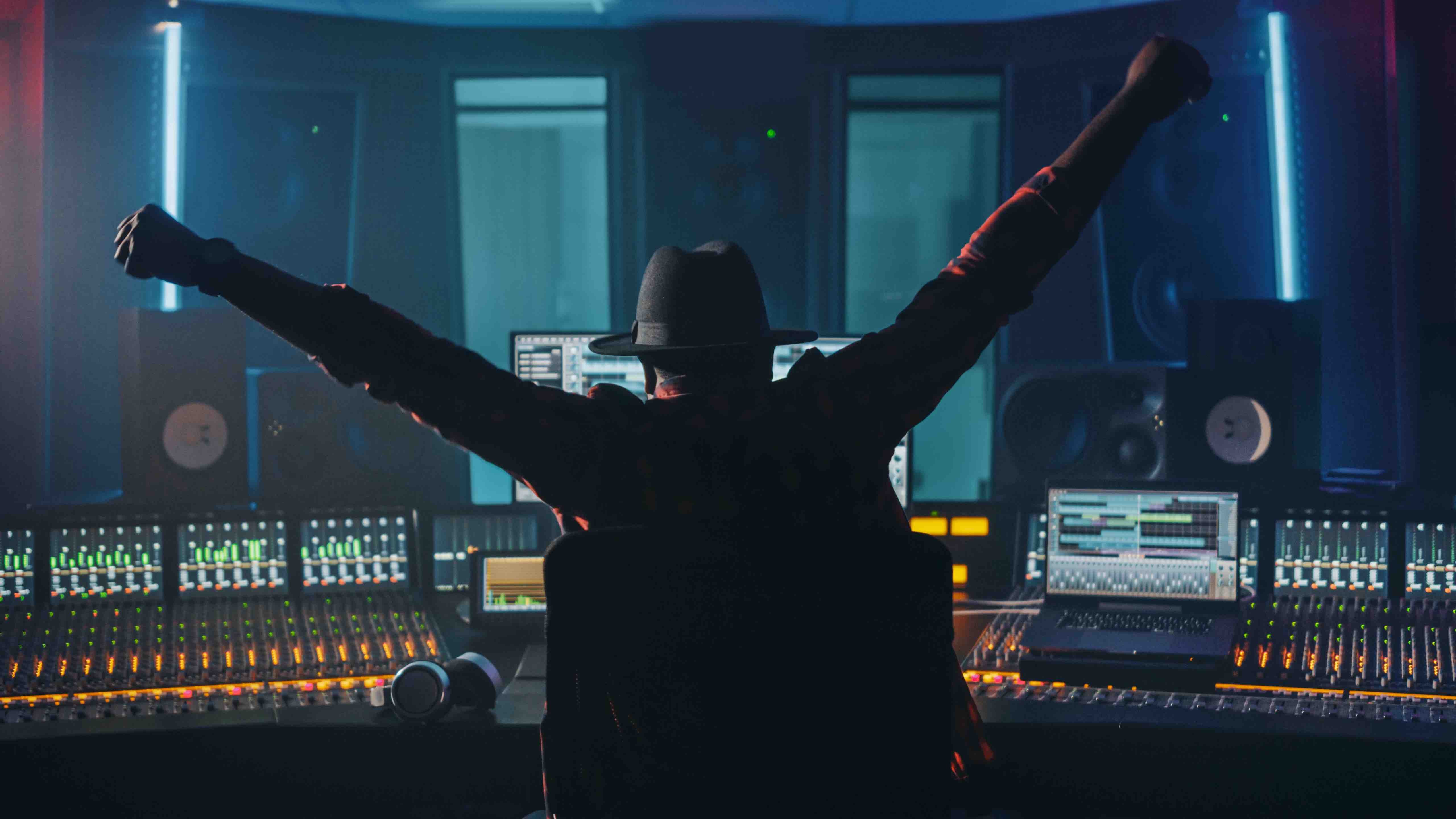
Burnout is no longer a personal failure in the music industry. In 2026, it is structural. Independent artists are not quitting because they lack discipline or passion. They are quitting because the system quietly rewards exhaustion while offering no stability in return.
The industry has normalized overwork, rebranded it as “grind,” and outsourced all risk to the artist.
When burnout becomes common, it stops being an individual problem and becomes an economic one.
Why the Grind Never Ends for Independent Artists
Artists are told they must always be visible. Always posting. Always engaging. Always releasing. The moment activity slows, momentum disappears.
This creates a loop where rest feels dangerous.
Unlike traditional jobs, there are no boundaries. Platforms don’t close. Algorithms don’t sleep. And attention resets daily.
Why Hustle Culture Benefits Platforms, Not Artists
Platforms profit from volume. Every post, song, video, and interaction feeds engagement systems. Artists provide free labor in exchange for exposure that may or may not arrive.
When artists burn out, platforms don’t lose content. Another artist fills the gap.
The system doesn’t need you. It needs someone like you.
The Hidden Costs of Constant Output
Burnout doesn’t show up overnight. It builds quietly through:
• Creative numbness
• Anxiety around performance metrics
• Loss of artistic identity
• Resentment toward music itself
Artists begin to associate their passion with pressure.
Why Burnout Is More Common Than Breakthrough
For every visible success story, thousands disappear without explanation. They don’t fail loudly. They fade.
Burnout is efficient. It removes artists without creating backlash. No contracts broken. No scandals. Just silence.
The Algorithmic Pace Problem
Algorithms demand consistency without context. They don’t account for life, health, or creative cycles.
Artists who slow down are treated as irrelevant. This forces many to create before they are ready—sacrificing quality and self-trust.
Why Metrics Become Emotional Weapons
Numbers were meant to inform decisions. Instead, they now define self-worth.
Low engagement feels personal. Plateaus feel like rejection. Growth becomes addictive.
This emotional volatility accelerates burnout faster than workload alone.
The Financial Insecurity Loop
Most independent artists operate without predictable income. This uncertainty turns creativity into survival labor.
When every song must justify itself financially, risk disappears—and so does joy.
You can’t create freely while constantly calculating survival.
Why “Taking a Break” Isn’t a Real Solution
Artists are told to rest, but the system punishes absence. Engagement drops. Algorithms reset. Visibility vanishes.
Breaks become costly. Many artists return to worse positions than before.
Designing a Career That Doesn’t Consume You
Sustainable artists work differently.
They:
• Build slower release cycles
• Separate income from attention
• Limit platform dependency
• Define success internally
They trade speed for longevity.
Why Fewer Artists Means a Worse Industry
Burnout doesn’t just hurt artists. It hurts culture.
When only the most privileged or psychologically resilient survive, diversity disappears. Innovation shrinks. Music becomes predictable.
Final Thought: Rest Is Resistance
In a system that profits from exhaustion, sustainability becomes radical.
An artist who lasts is more dangerous than one who burns bright and disappears.
The future of independent music depends not on who can work the hardest—but on who can endure without losing themselves.




Comments
No comments yet, be the first submit yours below.