Mass Incarceration: The Modern System of Control

From Convict Leasing to Modern Prisons
After the abolition of slavery, new legal systems emerged that continued to control Black labor and movement. Convict leasing allowed states to arrest Black men on minor or fabricated charges and lease them to private companies for forced labor. Though slavery was outlawed, forced labor persisted through the criminal justice system.
The War on Drugs and Disparities
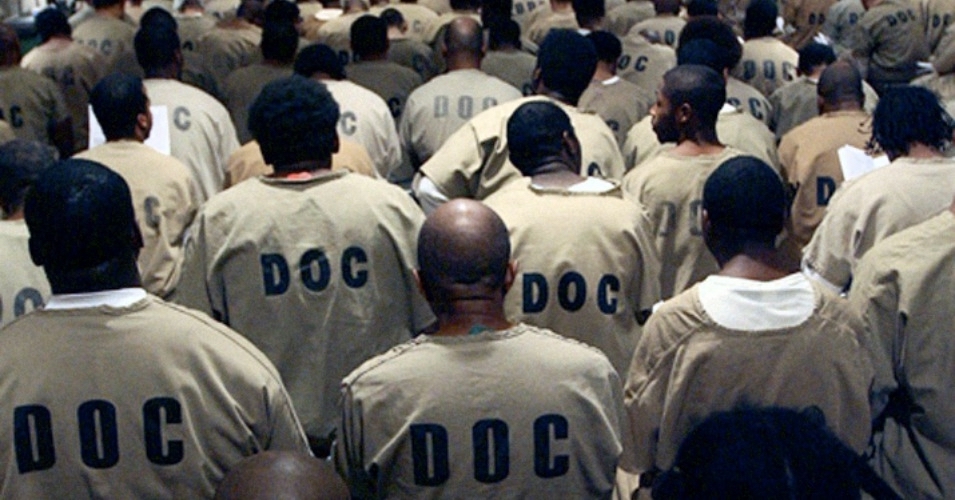
In the late 20th century, policies associated with the War on Drugs led to sharp increases in incarceration rates. Black communities were disproportionately targeted for arrests and prosecutions, even though drug usage rates were comparable across racial groups. Mandatory minimum sentencing laws further intensified disparities.
Economic and Social Consequences
Mass incarceration affects more than individuals — it impacts families and entire communities. Loss of income, limited employment opportunities after release, and restricted access to housing and voting rights create cycles of disadvantage. Children growing up with incarcerated parents often face emotional and economic hardship.
Private Prisons and Profit Incentives
The growth of private prisons introduced financial incentives into incarceration systems. Critics argue that profit motives can conflict with rehabilitation goals, particularly when incarceration disproportionately affects marginalized populations.
Calls for Reform
Activists, legal scholars, and policymakers continue to advocate for sentencing reform, rehabilitation programs, and alternatives to incarceration. Addressing systemic bias in policing and prosecution remains central to reducing disparities and promoting fairness within the justice system.
Mass incarceration is often described as a modern extension of historical systems that restricted Black freedom and opportunity. Understanding its roots is critical to confronting inequality and building a more just society.










Comments
No comments yet, be the first submit yours below.