Why People Trust Less Even When More Information Exists

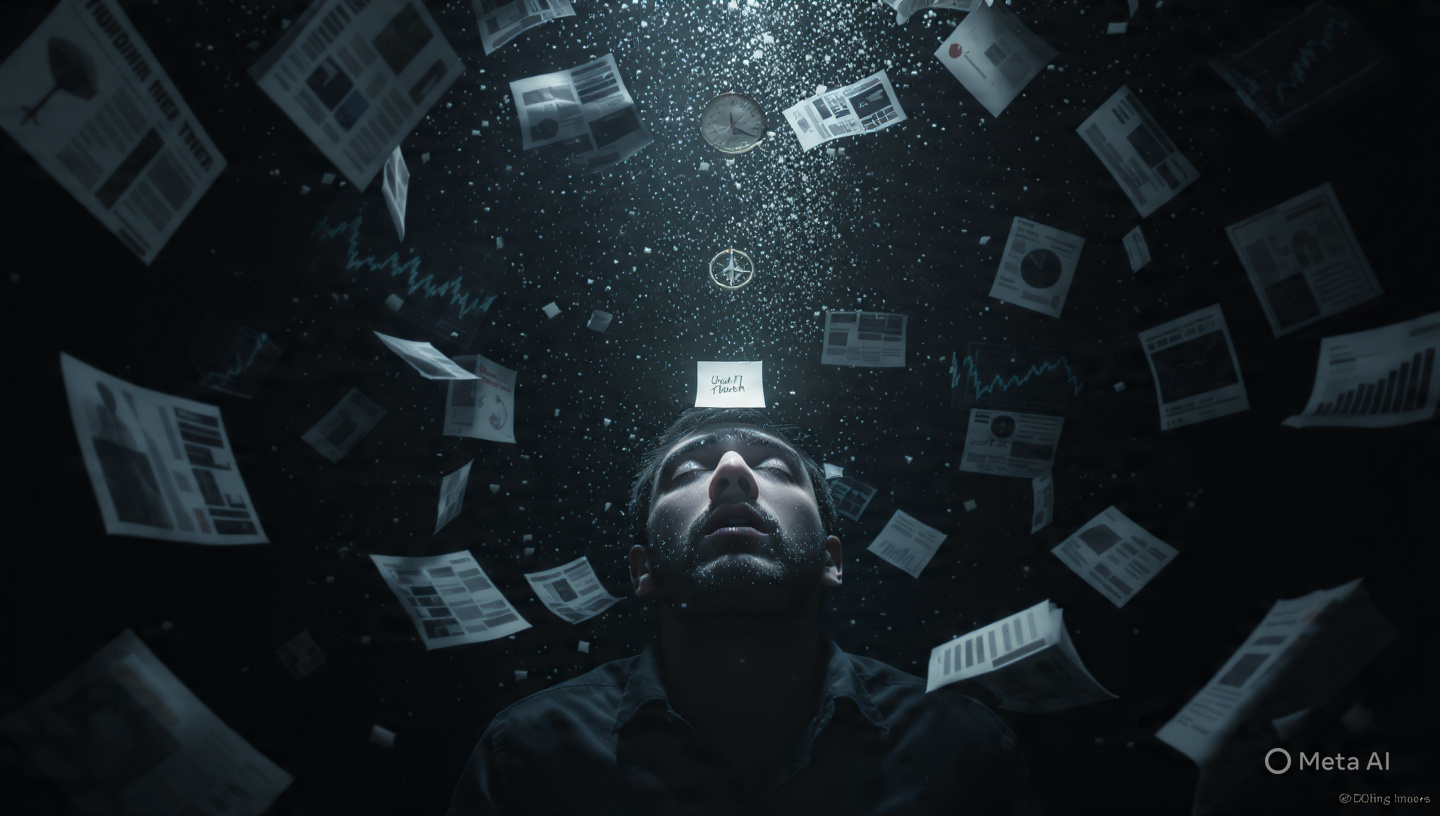
We live in the information age—but trust is declining.
More data, more news, more opinions—yet less certainty. The problem isn’t lack of information, it’s overload. When everything claims to be true, it becomes harder to believe anything with confidence.
Contradictions erode certainty.
Different sources report different versions of the same event. Over time, conflicting narratives make people skeptical of all information, even when some of it is accurate.
Motives are always questioned.
People no longer just ask “Is this true?” but also “Who benefits?” This shift in thinking increases skepticism but also reduces automatic trust in institutions, media, and individuals.
Past failures shape present doubt.
When trust is broken repeatedly—by systems, leaders, or experiences—it creates long-term hesitation. Even honest information is filtered through a lens of suspicion.
Algorithms amplify confusion.
Personalized feeds show different realities to different people. This fragmentation of shared truth makes agreement harder and disagreement more common.
Trust becomes selective.
Instead of trusting broadly, people narrow their circle of trust to individuals or sources they personally verify. Everything else is treated cautiously or dismissed.
Trust isn’t disappearing—it’s becoming more selective, more fragile, and harder to build than ever before.








Comments
No comments yet, be the first submit yours below.