The Creative Debt Problem: Why Rushing Releases Is Hurting Independent Artists


In 2026, independent artists are under constant pressure to release music faster than ever. Algorithms reward consistency, social platforms demand novelty, and audiences expect a steady stream of content. While frequent releases can help visibility, many artists unknowingly accumulate what can be called creative debt. This debt builds when music is rushed, concepts are underdeveloped, and long-term vision is sacrificed for short-term momentum.
What Is Creative Debt?
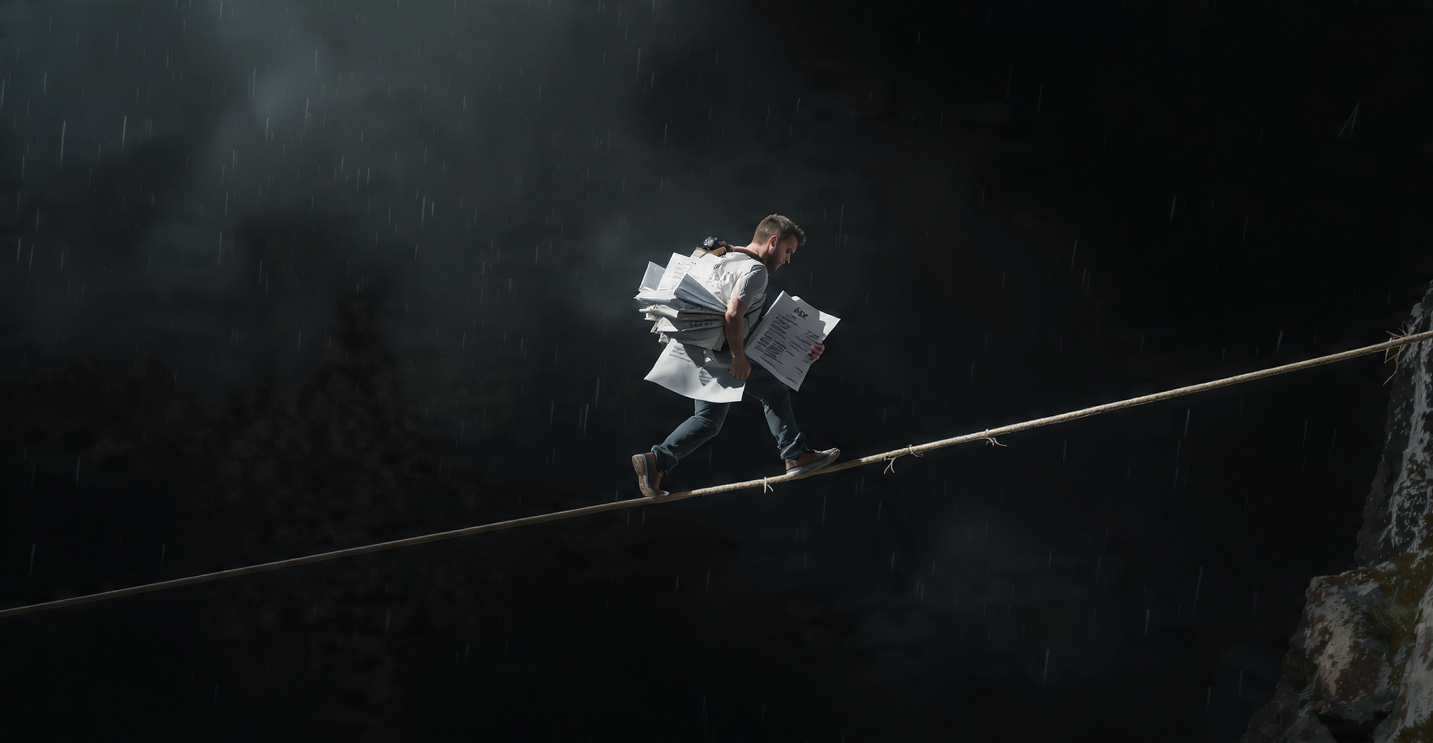
Creative debt occurs when artists prioritize speed over intention. Songs get released before they are fully realized, branding becomes inconsistent, and messaging loses clarity. Over time, this creates a backlog of problems: weak catalogs, confused audiences, and stalled growth. Like financial debt, creative debt compounds, making each new release harder to support and less impactful.
Fast output feels productive—until it starts working against you.
Why Artists Feel Forced to Rush
Several factors push independent artists toward rapid releases:
• Algorithm myths that “more music equals more growth”
• Fear of being forgotten between releases
• Comparison with high-output artists online
• Platform incentives favoring constant engagement
• Anxiety around momentum loss
These pressures often cause artists to trade quality and clarity for speed, without realizing the long-term cost.
The Hidden Costs of Rushed Releases
Creative debt shows up in subtle but damaging ways:
• Fans struggle to connect with inconsistent sound or messaging
• Marketing becomes harder because there’s no clear story to tell
• Songs fail to perform long-term because they lack depth
• Artists feel disconnected from their own work
• Burnout increases as output accelerates
Why Fewer, Stronger Releases Win Long-Term
Artists who slow down and release with intention often outperform high-volume peers over time. Strong releases give fans time to connect, share, and revisit music. They also allow artists to build layered campaigns, visual identity, and deeper narratives around each project.
How to Reduce Creative Debt
Reducing creative debt requires a shift in mindset:
• Plan releases around impact, not frequency
• Develop a clear creative theme or narrative per project
• Build content ecosystems around each song
• Allow time for feedback, refinement, and audience connection
• Treat releases as chapters, not disposable posts
Strategic Output vs Constant Output
Strategic artists view releases as long-term assets. They focus on:
• Longevity over spikes
• Cohesive branding
• Storytelling across releases
• Fan anticipation instead of algorithm chasing
This approach builds catalogs that continue working months or years after release.
Breaking the Fear of Slowing Down
Slowing down does not mean disappearing. Artists can stay visible by:
• Sharing behind-the-scenes content
• Explaining creative decisions to fans
• Reworking older songs into new formats
• Collaborating with other artists
• Deepening fan interaction between releases
Final Thought: Creativity Is an Asset, Not a Subscription
Independent artists in 2026 who avoid creative debt build careers that last. Speed without intention creates noise, but focused creativity builds identity, loyalty, and sustainability. By resisting the pressure to rush, artists reclaim control over both their art and their future.
Release less. Mean more.










Comments
No comments yet, be the first submit yours below.