The Internet Was Supposed to Connect the World—Now Everybody Is Fighting an Algorithm for Attention

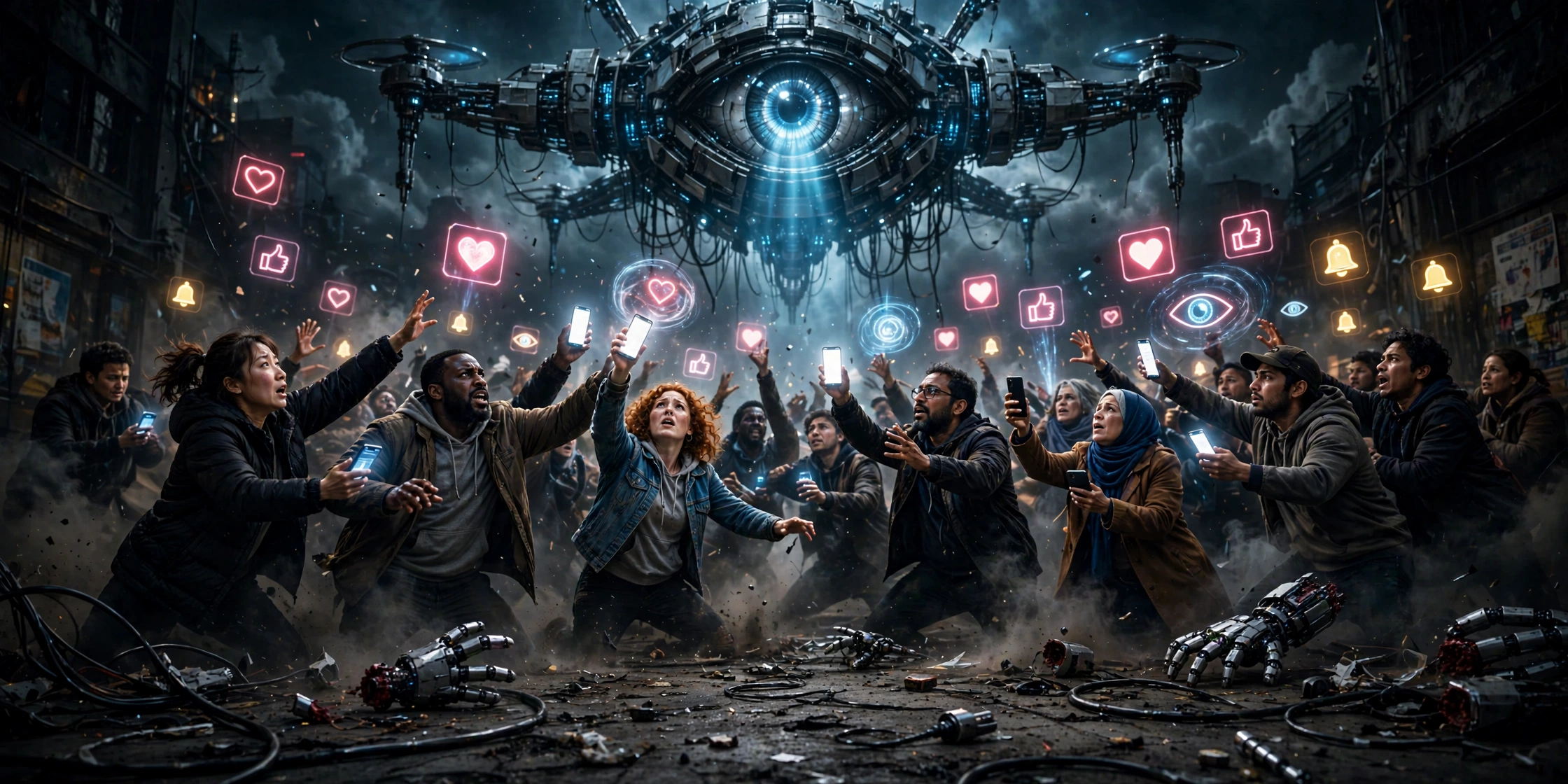
Remember when posting something online meant your followers could actually see it? Now you can have thousands of followers, publish something important, and watch it disappear into a digital basement because an algorithm decided somebody else's dancing video deserved priority.
The internet has changed dramatically. What started as a place where people could create websites, publish their thoughts, build communities, and communicate directly has increasingly become an environment controlled by a handful of massive platforms.
And somewhere along the way, we accepted a strange arrangement: You create the content, bring the audience, keep people engaged, and provide the entertainment. But somebody else controls who sees it.
You Have Followers, but Do You Have Access to Them?
People celebrate reaching 10,000 followers, 50,000 followers, or even a million. Those numbers look impressive, but there's an important question nobody asks: How many of those people can you actually reach whenever you want?
If you publish something and the platform decides not to distribute it, your audience might never see it. If your account gets restricted, your ability to communicate with those people can disappear overnight.
That's the difference between owning an audience and having access to an audience through somebody else's infrastructure.
You might have spent years building that following, but the platform still controls the distribution.
The Algorithm Became the New Gatekeeper
Before social media became so dominant, websites could build their own communities. People bookmarked pages, subscribed to mailing lists, visited forums, and returned because they wanted to see what was new.
Today, creators are encouraged to optimize everything around algorithms. What time should you post? How long should the video be? Which sound is trending? How many seconds before somebody scrolls away?
Instead of creating something people genuinely want, creators can end up creating whatever they believe will satisfy the distribution system.
That's a strange way to operate when the original purpose was supposed to be connecting with people.
Platforms Can Change the Rules Without Asking You
Imagine building a business inside a shopping mall. You attract customers, decorate your storefront, and spend years developing relationships. Then the mall changes its policies, increases its fees, limits your signage, or changes how customers are directed through the building.
You still own your products, but you don't own the building or control the traffic.
That's a useful way to think about building a business entirely around social media.
Platforms can change recommendation systems, advertising prices, monetization rules, account restrictions, and content policies. Some changes benefit creators. Others can make it harder to reach the same audience.
The point isn't that social media is useless. It's that depending on one platform creates a business risk.
Build Something That Exists Outside the Feed
Social media is excellent for discovery. It can introduce your work to people who would never have found you otherwise. But discovery should lead somewhere you have more control.
Build a website. Create an email list. Publish articles. Maintain a customer database with proper permission. Develop products and services that people can access without needing to find your latest social media post.
For independent musicians, this is especially important. Don't let your entire career depend on whether a streaming service recommends your music or whether a social platform distributes your latest announcement.
Create a place where listeners can discover your catalog, learn about your releases, and connect with your work directly.
Use the Platforms, but Don't Become Dependent on Them
There's no reason to abandon social media. The platforms have enormous audiences, and ignoring them completely would mean ignoring valuable opportunities.
But there's a difference between using a platform as a marketing channel and making it the foundation of your entire business.
One helps you attract people. The other leaves your future dependent on decisions made by a company that doesn't owe you permanent access to its audience.
The Real Internet Is Bigger Than Social Media
Somewhere along the way, people started treating the social media feed as if it were the entire internet.
It isn't.
There are independent websites, personal blogs, online communities, forums, digital publications, and businesses operating outside the major platforms. You don't need permission from a social media algorithm to publish something on a website you control.
The internet was powerful because it gave ordinary people the ability to build something and make it accessible to the world. That opportunity still exists.
So by all means, collect your followers. Chase the views. Use the algorithms when they work in your favor. Just make sure you're building something outside the platform, too. Because having an audience is impressive, but having somewhere to take that audience when the algorithm changes is a whole different level of ownership.







Comments
No comments yet, be the first submit yours below.