What the 2026 National Defense Authorization Act Means for U.S. Security, Civil Powers, and Spending

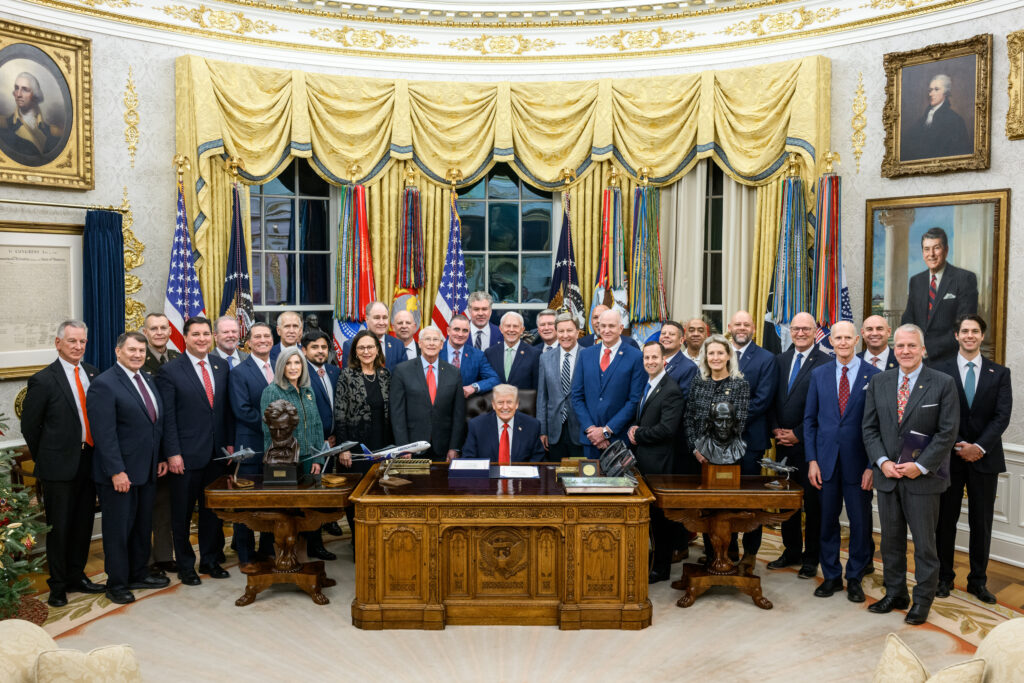
The 2026 National Defense Authorization Act sets the federal defense agenda for the year.
The **National Defense Authorization Act (NDAA) for Fiscal Year 2026** is a federal law authorizing U.S. defense spending and shaping national security policy across all 50 states. Passed by both chambers of Congress and signed by the president in December 2025, the NDAA allocates billions for the Department of Defense and dictates how the military will operate in the year ahead. Because it’s a **required annual law**, its passage is critical to national security, defense readiness, and long-term military planning — making it one of the most consequential pieces of legislation each year. :contentReference[oaicite:1]{index=1}
Defense policy now includes expanded counter-drone authority.
One of the key provisions in the 2026 NDAA strengthens the U.S. government’s ability to counter unmanned aerial systems (UAS or drones). The law centralizes counter-drone strategy under the newly structured **Joint Interagency Task Force 401**, consolidating how the military and federal agencies coordinate drone defense technologies and response. It also prioritizes domestic industrial capacity for small-UAS technology and security, which affects procurement, research, and local readiness across the country. :contentReference[oaicite:2]{index=2}
It repeals longstanding authorizations for past wars.
In a notable legal shift, the NDAA 2026 repealed key Authorizations for Use of Military Force (AUMFs) from the 1991 and 2002 conflicts. These authorizations had given the executive branch broad authority to conduct military operations abroad without direct, updated congressional approval. Their repeal signals a renewed effort by lawmakers to reassert congressional oversight over military engagement decisions. This change affects national defense policy and civil-military relations by tightening the legal basis for future military action. :contentReference[oaicite:3]{index=3}
The law includes provisions on unidentified anomalous phenomena (UAPs).
For the fifth consecutive year, NDAA 2026 incorporates requirements related to unidentified anomalous phenomena — commonly referred to as UFOs — reflecting sustained congressional interest in transparency and data collection. The law mandates expanded reporting, data centralization under the **All-domain Anomaly Resolution Office (AARO)**, and greater disclosure of UAP encounters by NORAD and military commands. This provision impacts federal data practices and oversight, and sets a precedent for how U.S. agencies handle anomalous aerospace phenomena in the future. :contentReference[oaicite:4]{index=4}
National security funding reflects political priorities and debate.
The NDAA 2026 passed with substantial bipartisan support in both chambers, though budget specifics and priorities are often subjects of intense political negotiation. A companion DHS funding bill recently approved by the House highlights ongoing debates over immigration enforcement, border security, and domestic agency priorities within broader national security frameworks. The defense budget and related appropriations shape federal policy not just overseas, but also how domestic agencies interact with military objectives and civil authority operations. :contentReference[oaicite:5]{index=5}
The law influences civil powers and public safety roles.
Federal defense law doesn’t just dictate how the military operates overseas — it also affects how federal forces can support civilian agencies in emergencies, disaster response, and infrastructure protection. While the NDAA itself does not directly change constitutional protections for civilians, provisions that broaden coordination, technology deployment, and civil-military support illustrate how defense priorities can intersect with domestic public safety policy. Debates over balance, oversight, and civil liberties continue as implementation proceeds. :contentReference[oaicite:6]{index=6}
Defense law execution is monitored long after passage.
It’s important to remember that appropriation laws like the NDAA don’t finish at signature — their real impact lies in how federal agencies execute the authority and resources they provide. Law Watch focuses on this implementation phase, as budgets, regulations, and administrative interpretations shape real institutions. Tracking annual reports, military policy changes, and civil-military cooperation frameworks helps reveal how nationwide legislation affects infrastructure, technology deployment, and public security. Federal defense authorization law is an ongoing narrative, not a single moment in time. :contentReference[oaicite:7]{index=7}
Fiscal and strategic consequences will continue into 2026 and beyond.
Because the NDAA must be renewed every year, the policies and precedents set in the 2026 version will influence negotiations, defense strategy, and congressional priorities for 2027 and future sessions. Pentagon planning, R&D investment, and interagency cooperation all hinge on these annual legislative frameworks. Observers from national security, civil liberties, and budget policy spheres will be watching how implementation unfolds over the upcoming year — from counter-drone programs to UAP reporting to civil support authorities. Federal defense law is one of the most enduring ways Washington shapes both global posture and domestic preparation. :contentReference[oaicite:8]{index=8}










Comments
No comments yet, be the first submit yours below.