The Rise of AI in Music: How Technology Is Changing Creativity and Ownership

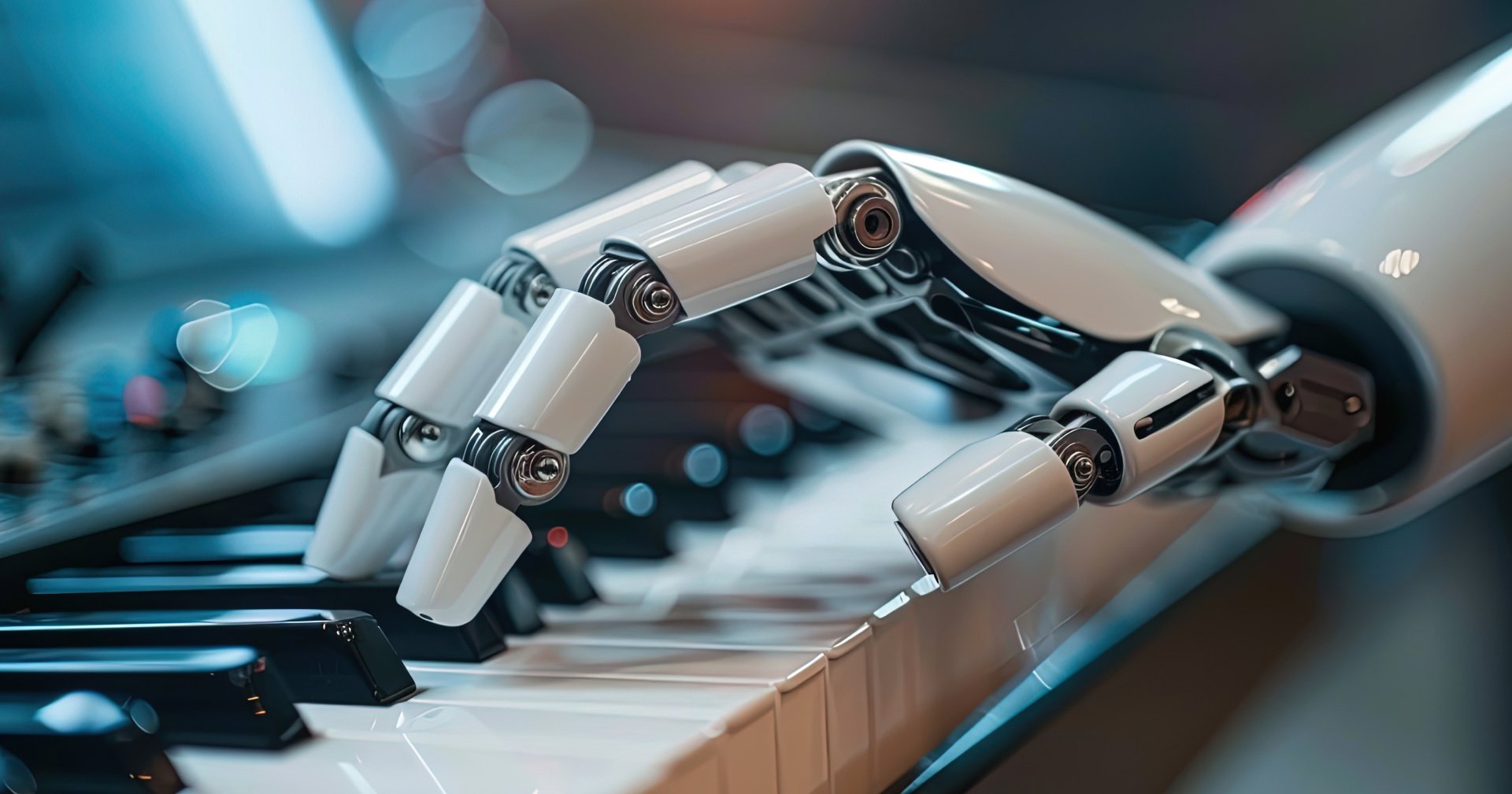
AI is no longer a futuristic concept — it’s in the studio now.
Artists and producers are increasingly integrating artificial intelligence tools into their creative processes. From AI-generated beats and melodies to vocal synthesis and mastering assistance, these technologies accelerate music production and open new possibilities. Some independent creators use AI to experiment with sounds they couldn’t produce alone, while major labels test AI for content optimization and market trends. This shift challenges traditional notions of artistry, as machines become collaborators rather than just tools. Fans may not notice the AI influence, but it is reshaping how music is written, produced, and released.
Ownership becomes complicated in an AI-driven landscape.
Who owns a track generated partly by AI? Copyright law is struggling to keep pace. Traditional systems assume human authorship, but AI can produce original material with minimal human input. Legal battles are emerging over royalties, publishing rights, and licensing. Independent artists face uncertainty: if an AI tool generates a hit, the platform that provided the AI might claim ownership or licensing rights. Musicians must navigate a new layer of contracts and intellectual property considerations that didn’t exist a decade ago. The tension between creativity and control is intensifying.
AI accelerates music creation but risks homogenization.
One of the major benefits of AI is speed — tracks can be produced in hours that might have taken weeks. However, widespread use of similar AI models risks making music sound formulaic. Algorithms trained on existing hits often replicate patterns that have proven commercially successful, reducing experimentation. While AI allows artists to explore new genres and blends, the market may reward predictability, creating a cultural tension. Innovation may come at the edges where humans push the AI beyond its comfort zone, experimenting with mistakes and unexpected combinations.
Collaborations between human and machine redefine skill.
Producers now need to understand AI systems, input prompts effectively, and curate outputs creatively. This doesn’t replace talent; it redefines it. Technical knowledge and creative intuition must merge to produce compelling music. Some argue that this raises the bar for skill, as artists must master both musical and technological literacy. Others fear it will devalue traditional training in instruments or composition. Either way, the intersection of AI and music is creating a new hierarchy of expertise in the industry.
AI challenges cultural ownership and authenticity.
Fans value connection to human experience in music. When AI participates, questions arise: does the emotional authenticity of a track change if generated by a machine? Genres like hip-hop, which emphasize personal storytelling, face tension between human expression and AI assistance. Some listeners embrace AI-enhanced music for novelty and polish, while others reject it as artificial. This debate is shaping not only production practices but also marketing, branding, and audience perception. Cultural legitimacy is now entangled with technology adoption.
Distribution platforms favor speed and volume.
Streaming services increasingly reward output and engagement metrics over deep artistry. AI enables creators to release music faster, generating content at a scale that challenges human-only production. Algorithms on these platforms can amplify AI-generated hits, making them competitive with human-produced tracks. This creates an environment where quantity and optimization sometimes outweigh originality. Artists must balance innovation, speed, and platform strategy to succeed in this changing ecosystem.
New revenue streams are emerging for AI music.
AI-generated music can be monetized through licensing for ads, games, and digital content. Some companies offer subscription-based AI music libraries, enabling creators to legally use generated tracks. NFTs and blockchain-based music ownership models are exploring how AI compositions can have transparent, traceable rights. These developments open opportunities for independent creators to monetize music in ways previously inaccessible, but they also add complexity in tracking rights, splits, and authorship. Financial literacy is now as essential as creative skill for AI music participants.
Legal frameworks are struggling to catch up.
Government agencies and copyright offices are examining how to adapt laws to include AI contributions. The key questions revolve around authorship, derivative works, and ownership rights. Until legal clarity emerges, creators and labels face uncertainty, potentially affecting contracts, royalty distribution, and international licensing. The evolving legal environment will shape which types of AI music become commercially viable and who profits from them. Staying informed is critical for artists and industry professionals navigating this landscape.
AI democratizes music creation but also introduces gatekeepers.
Access to AI music tools lowers barriers for independent artists who cannot afford traditional studio time or equipment. Anyone with a laptop and AI subscription can produce professional-grade tracks. However, corporate platforms that control AI tools become new gatekeepers, defining the scope of what can be created and monetized. Dependency on these platforms introduces risks similar to traditional record label structures, including revenue sharing and licensing restrictions. Digital democratization carries hidden costs and power dynamics.
The future of music is collaborative — with humans and machines.
AI will not replace artists, but it will transform their role. The most successful creators will harness AI to expand creative horizons while maintaining human authenticity. Fans, artists, and the industry must rethink what constitutes creativity, originality, and authorship. Musicians who understand both musical craft and technological tools will have a competitive advantage. As AI continues to evolve, the cultural and economic landscape of music will reflect this ongoing partnership, shaping the songs, performances, and industry structures of the coming decade.








Comments
No comments yet, be the first submit yours below.