Living in a Place That Never Becomes Yours

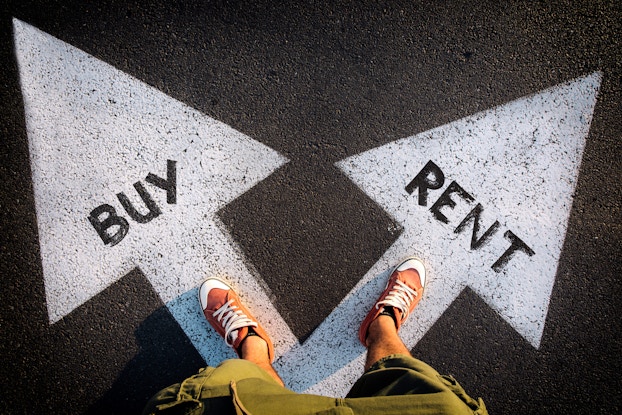
There’s a strange feeling that settles in when you realize you’ve lived somewhere for years, paid on time every month, fixed things yourself, followed every rule—and still have nothing to show for it. No equity. No leverage. No control. Just receipts and memories. That feeling isn’t accidental; it’s structural. Renting was once a temporary step, but now it’s becoming a permanent condition for millions of people.
THE ILLUSION OF STABILITY
Rent feels stable because it repeats. Same payment. Same address. Same routine. But stability without ownership is just predictability, not security. At any moment, the rules can change—rent goes up, lease ends, property sells. You don’t lose a home slowly; you lose it instantly. That constant low-grade uncertainty trains people to stay quiet, compliant, and grateful just to remain where they are.
PAYING FOREVER, OWNING NEVER
In the rented life, money flows outward endlessly. Each payment maintains access but builds nothing. It’s like pouring water into sand. Meanwhile, ownership concentrates upward—institutions, funds, and corporations quietly accumulate property while individuals cycle through leases. The system doesn’t need you to fail; it only needs you to never arrive. Permanent almost-there is the business model.
MOBILITY AS A DISGUISE
We’re told renting equals freedom. You can move anytime. You’re flexible. You’re not “tied down.” But forced mobility isn’t freedom—it’s instability with good branding. When staying costs too much and leaving costs even more, movement becomes survival, not choice. The rented life keeps people light enough to move, but too heavy to climb.
PSYCHOLOGICAL RENT
It’s not just money that gets rented—your mindset does too. You hesitate to customize. You avoid putting down roots. You delay long-term plans. The subconscious message is clear: don’t get too comfortable, this isn’t really yours. Over time, that spills into other areas of life. People stop expecting permanence anywhere—jobs, relationships, communities.
WHO BENEFITS FROM NEVER-OWNERS
A society of renters is easier to manage. Less pushback. Less risk-taking. Less independence. When housing becomes a subscription instead of a foundation, people stay focused on short-term survival instead of long-term strategy. Ownership creates leverage; renting creates dependence. That’s not a coincidence—it’s an incentive.
THE EXIT IS NOT ALWAYS A HOUSE
The counter to rented life isn’t always buying a home—especially in distorted markets. Sometimes it’s ownership elsewhere: skills, systems, businesses, digital assets, or income streams no landlord can raise the rent on. The real rebellion is reducing how many parts of your life require permission to exist.
FROM TEMPORARY TO INTENTIONAL
Renting doesn’t have to mean trapped—but only if it’s treated as a phase with a plan. Without intention, rented life becomes a quiet loop that eats decades. The danger isn’t renting itself; it’s normalizing never owning anything that compounds. When nothing you pay into grows with you, time becomes the landlord.
THE QUESTION THAT BREAKS THE SPELL
Ask yourself this: if nothing changes, will this situation ever turn into power? If the answer is no, then comfort is the trap. The rented life isn’t just about housing—it’s a metaphor for modern existence. And the way out starts the moment you decide something in your life must finally belong to you.







:max_bytes(150000):strip_icc()/GettyImages-103057983-4ea56e613e704344937cd89f50c13cfa.jpg)

Comments
No comments yet, be the first submit yours below.