Why Urban Survival Requires a Different Skillset Than Wilderness Survival

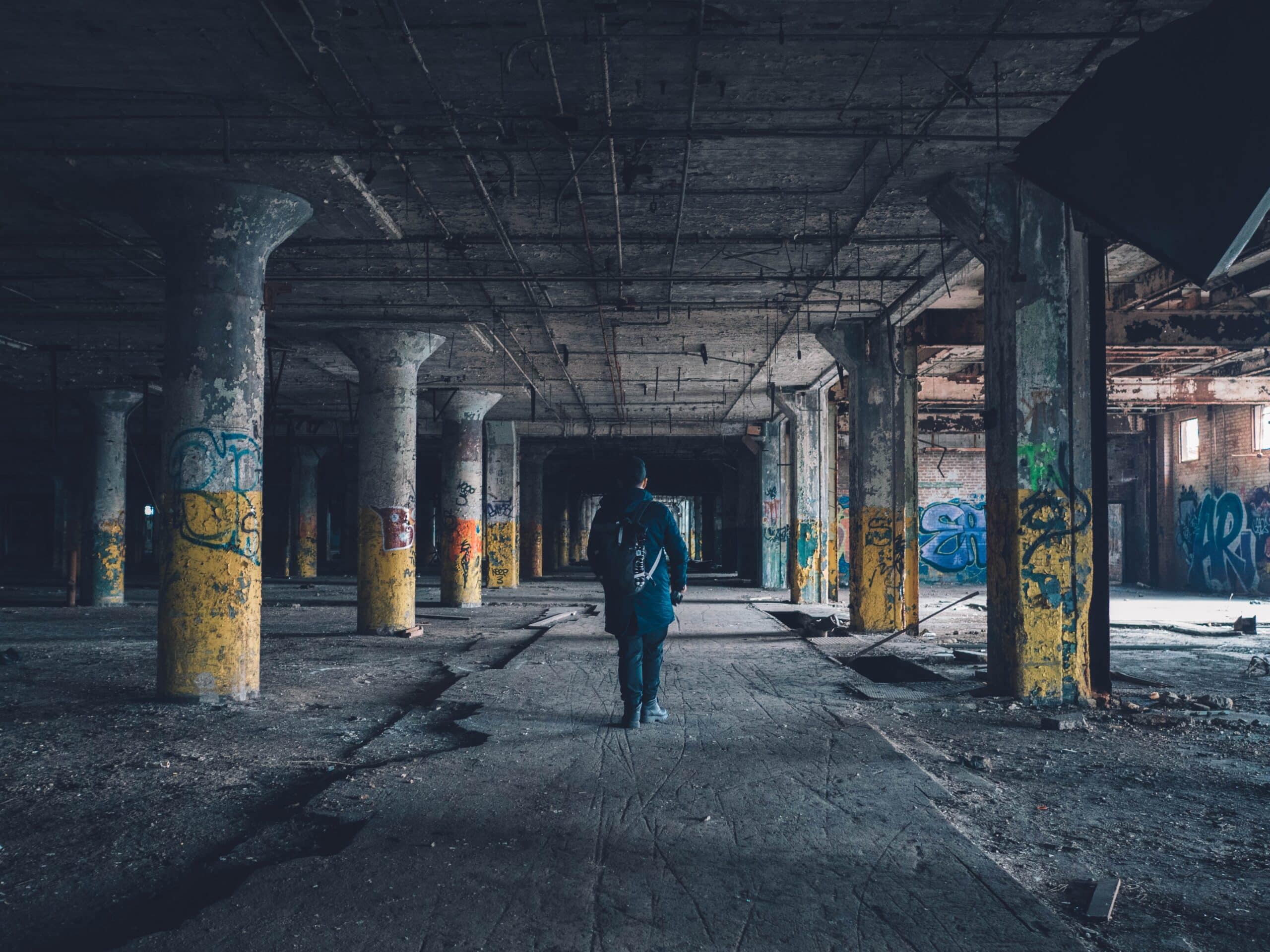
Most survival advice focuses on the wilderness—building shelters, starting fires, and sourcing food. Yet modern urban life presents entirely different challenges that require a distinct set of skills. Crowded cities, limited green spaces, and dense infrastructure mean threats are often social, logistical, or technological rather than purely environmental. Understanding urban survival is about navigating human systems, managing resources efficiently, and maintaining personal safety amid complex societal dynamics.
Resource management takes on new forms in urban environments. Unlike wilderness survival, where water, food, and firewood are priorities, urban survival involves access to electricity, internet connectivity, banking systems, and transportation networks. Power outages, cyber attacks, or supply chain disruptions can become life-threatening events. Maintaining redundant resources, backup energy, and knowledge of alternative access points is essential for thriving in a city during crisis.
Situational awareness in urban areas differs from wilderness awareness. Instead of wildlife tracking or weather observation, urban survival relies on reading social cues, identifying crime hotspots, and avoiding dangerous situations. Understanding how people behave during emergencies, recognizing signs of civil unrest, and planning safe routes are critical skills. Unlike in nature, human behavior can escalate risk unpredictably, making observation, anticipation, and quick decision-making essential.
Shelter in a city is about safety, accessibility, and adaptability. In emergencies, public spaces, apartment buildings, or vehicles may serve as temporary shelters. Knowledge of building layouts, secure entry points, and community resources can make the difference between safety and vulnerability. Unlike wilderness shelters, urban survival spaces require consideration of human threats, sanitation, and situational security.
Food and water access is also unique in urban settings. Supermarkets, restaurants, and delivery services can fail during disasters, requiring alternative strategies. Urban survivors often benefit from stockpiling essentials, understanding local distribution systems, and knowing where public resources or emergency aid will be deployed. Urban agriculture, rainwater collection, and community networks can supplement needs, emphasizing the importance of creativity and planning over raw foraging skills.
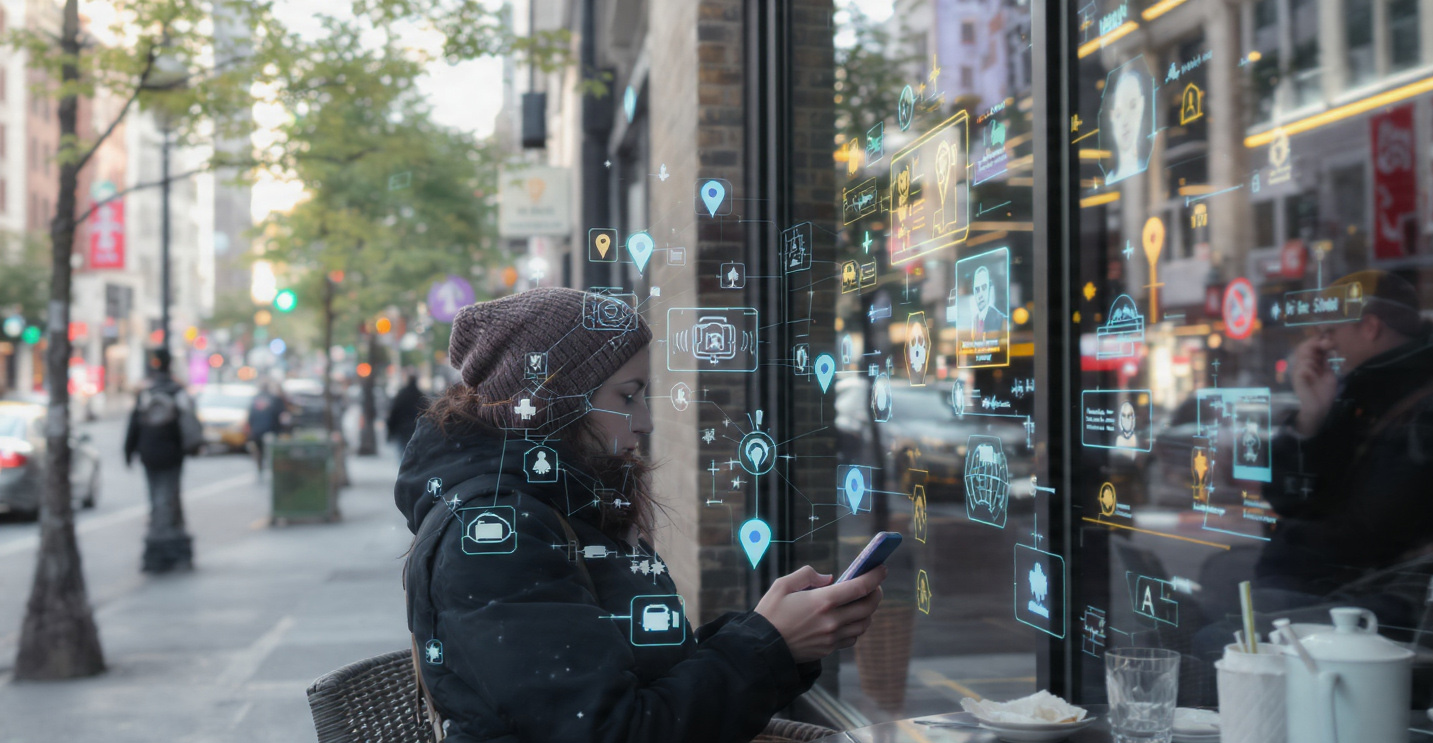
Technology plays a dual role. Smartphones, navigation apps, and social networks are essential for communication, updates, and coordination. However, dependence on technology introduces vulnerability to cyber attacks, signal loss, or battery depletion. Urban survival involves balancing tech reliance with offline preparedness: paper maps, cash reserves, and manual problem-solving skills become critical when digital tools fail.
Social dynamics shape urban survival more than wilderness survival ever could. Cooperation, alliances, and negotiation often determine access to resources and safety. Knowing whom to trust, how to navigate conflicts, and when to assert authority or retreat is a critical survival skill. In high-density environments, understanding social hierarchies, local networks, and human behavior often matters more than physical endurance or tactical prowess.
Emergency preparedness plans for urban environments must account for unique hazards: fires in high-rises, floods in subway systems, or civil unrest in crowded areas. Scenario planning, drills, and community coordination strengthen resilience. Unlike wilderness survival, urban crises often escalate quickly, requiring rapid assessment and adaptability. Knowledge of escape routes, safe zones, and essential resources is paramount.
Ultimately, urban survival requires a blend of logistical planning, social intelligence, technological literacy, and adaptability. Wilderness skills remain useful, but cities demand an additional toolkit focused on human systems, infrastructure, and emergency preparedness. Those who understand the nuances of urban survival are better equipped to handle disasters, disruptions, and daily challenges in a densely populated, fast-moving environment.
In conclusion, surviving in modern urban environments is not about tents or hunting skills—it’s about preparation, awareness, and strategy within human systems. Resource management, situational awareness, social navigation, and tech adaptability define modern urban survival. Mastering these skills ensures resilience, safety, and efficiency amid unpredictable challenges, making survival a matter of planning and intelligence rather than brute endurance.









Comments
No comments yet, be the first submit yours below.