Trust Collapse: Navigating a World Where Confidence Is Eroding

Introduction: The Decline of Trust
Trust collapse refers to the gradual erosion of confidence in institutions, businesses, governments, and even personal relationships. In today’s interconnected world, constant exposure to scandals, misinformation, and systemic failures has heightened skepticism and anxiety. Understanding the mechanisms behind trust collapse is essential for navigating modern life, building resilience, and fostering meaningful connections despite uncertainty.
Factors Contributing to Trust Erosion
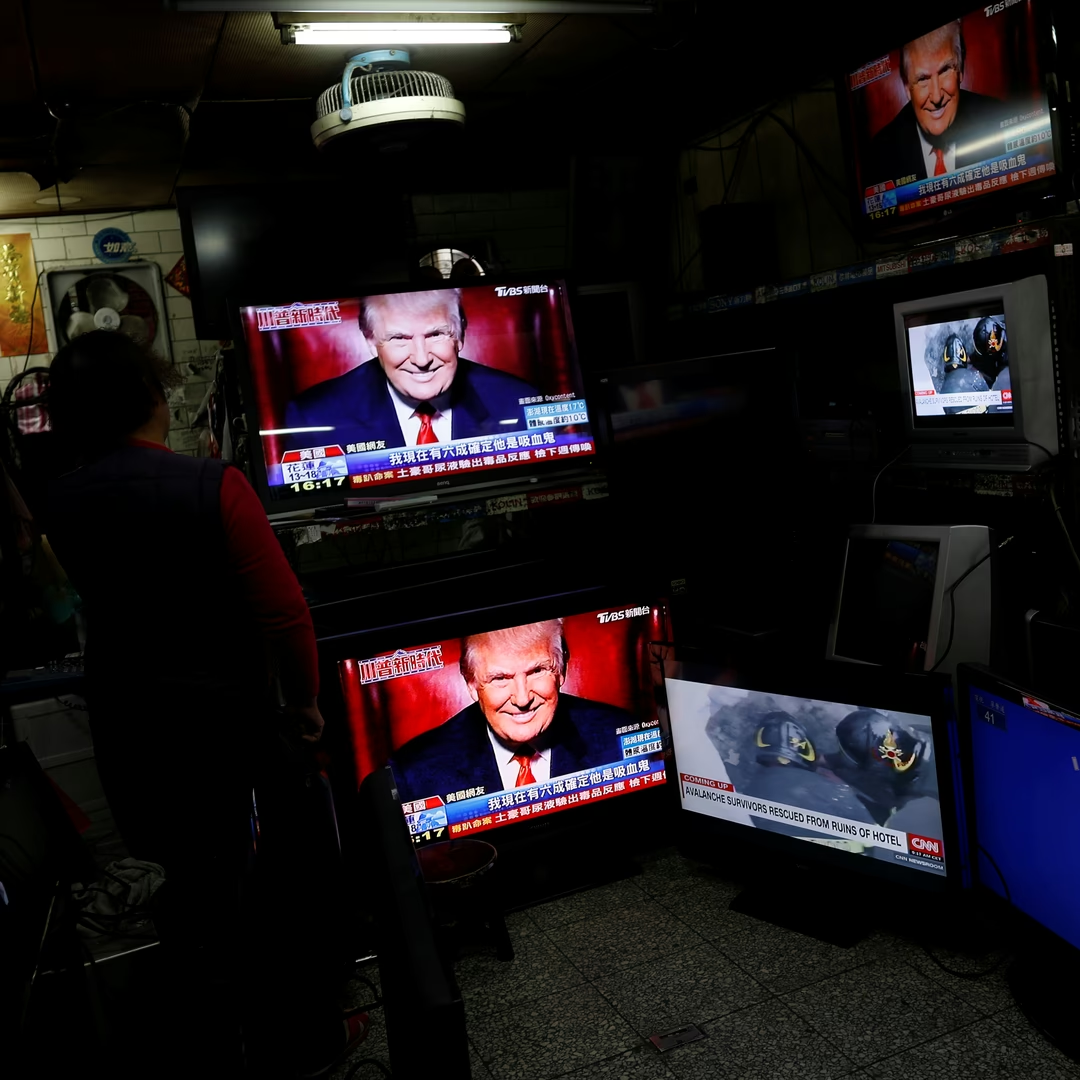
Several factors contribute to trust collapse. Widespread media coverage of corruption, corporate misdeeds, and political scandals amplifies public perception of unreliability. Misinformation and social media echo chambers distort reality, creating confusion and doubt. Additionally, inconsistent messaging, broken promises, and lack of transparency undermine confidence in organizations and systems, leaving individuals questioning who or what to believe.
Psychological Impacts of Distrust
Trust collapse affects mental and emotional well-being. Chronic skepticism can lead to anxiety, social withdrawal, and difficulty forming meaningful relationships. Individuals may adopt defensive behaviors, overanalyze intentions, and struggle to rely on external guidance. Understanding these psychological consequences helps individuals develop strategies to maintain clarity, discernment, and emotional balance in a world where trust is increasingly scarce.
Economic and Business Implications
In commerce, trust collapse impacts consumer behavior, investment decisions, and brand loyalty. Companies perceived as untrustworthy lose customers, face reputational damage, and experience decreased engagement. Transparency, ethical practices, and consistent communication have become critical for organizations seeking to maintain confidence and navigate an environment where skepticism dominates perception.
Government and Institutional Trust
Political and governmental institutions face heightened scrutiny. Policy inconsistencies, scandals, and lack of accountability contribute to public distrust. Declining confidence in governance can fuel social unrest, political polarization, and disengagement. Rebuilding institutional trust requires transparency, responsiveness, and consistent action aligned with public expectations and ethical standards.
Trust in Social Networks and Relationships
On a personal level, trust collapse affects relationships, communities, and professional networks. Individuals may question motives, withhold information, or avoid collaboration. The lack of trust undermines teamwork, empathy, and cooperation. Developing discernment while maintaining openness and empathy is critical to sustaining meaningful connections despite widespread skepticism.
Strategies to Navigate Trust Collapse
Navigating a world of diminished trust requires vigilance, critical thinking, and selective engagement. Individuals should verify information, evaluate credibility, and recognize bias in media and messaging. Establishing personal standards for trust, seeking evidence, and fostering relationships with proven reliability help mitigate the psychological and practical impacts of distrust.
Rebuilding and Sustaining Trust
Restoring trust involves transparency, accountability, and consistent ethical behavior. Institutions and individuals must demonstrate integrity over time to regain confidence. Open communication, acknowledgment of past failures, and proactive problem-solving contribute to sustainable trust-building. Even small, consistent actions can reverse erosion and foster resilient relationships.
The Role of Media Literacy
Media literacy plays a pivotal role in addressing trust collapse. Understanding how information is curated, manipulated, and disseminated empowers individuals to make informed judgments. Recognizing misinformation, evaluating sources, and contextualizing narratives are essential skills in maintaining personal confidence and discerning reality in a world where trust is often compromised.
Conclusion: Thriving Amid Uncertainty
Trust collapse is a defining challenge of modern society, influencing perception, behavior, and decision-making. By cultivating discernment, practicing critical thinking, and fostering ethical relationships, individuals can navigate a landscape of uncertainty effectively. Understanding the dynamics of trust erosion and employing strategies to mitigate its impact allows people to maintain clarity, resilience, and meaningful connections in an increasingly skeptical world.









Comments
No comments yet, be the first submit yours below.