OnOne Emergency Awaye Emergency Away


Modern life is structured around thin margins disguised as stability. Systems reward maximum utilization, not resilience. Income, time, and attention are allocated with little buffer. Normal functioning depends on uninterrupted flow. When everything works, the structure appears sound.
Incentives discourage slack. Efficiency is praised while redundancy is framed as waste. People are trained to optimize rather than prepare. Risk is outsourced to individuals while systems extract consistency. Survival becomes a personal problem inside a collective machine.
Psychology adapts to the pressure. Constant low-level stress is normalized as adulthood. Short-term fixes replace long-term positioning. Emergency thinking becomes permanent background noise. Planning narrows to the next obligation.
Social narratives reinforce the design. Struggle is reframed as motivation. Stability is measured by appearance, not durability. Silence hides fragility. The system does not collapse often because individuals absorb the shock.
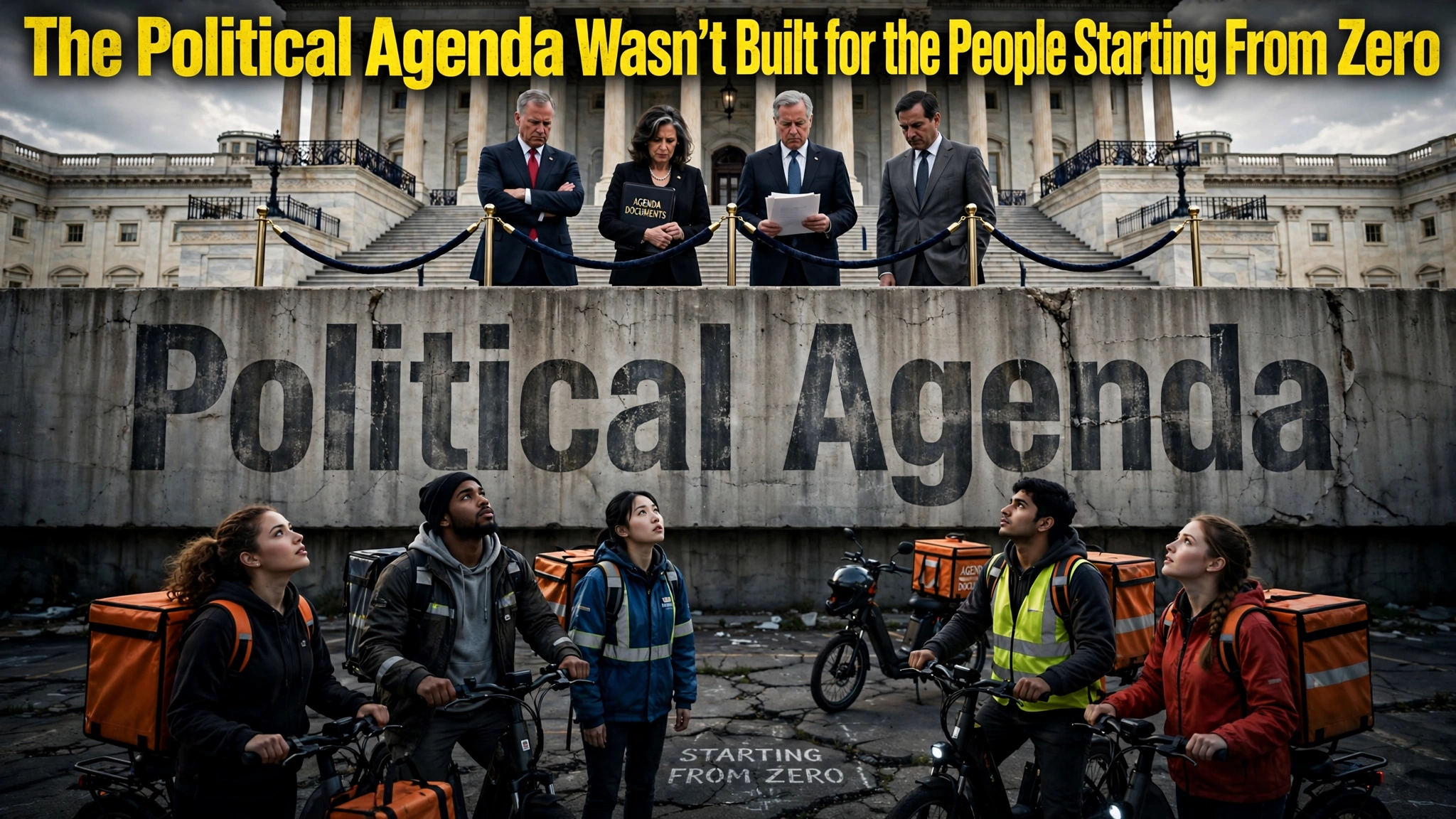
The hard truth is structural. Living one emergency away is not failure; it is alignment with incentives. Systems remain efficient by externalizing risk. Quiet power comes from rebuilding margin. Resilience begins where optimization ends.









Comments
No comments yet, be the first submit yours below.