Watched Without Being Followed

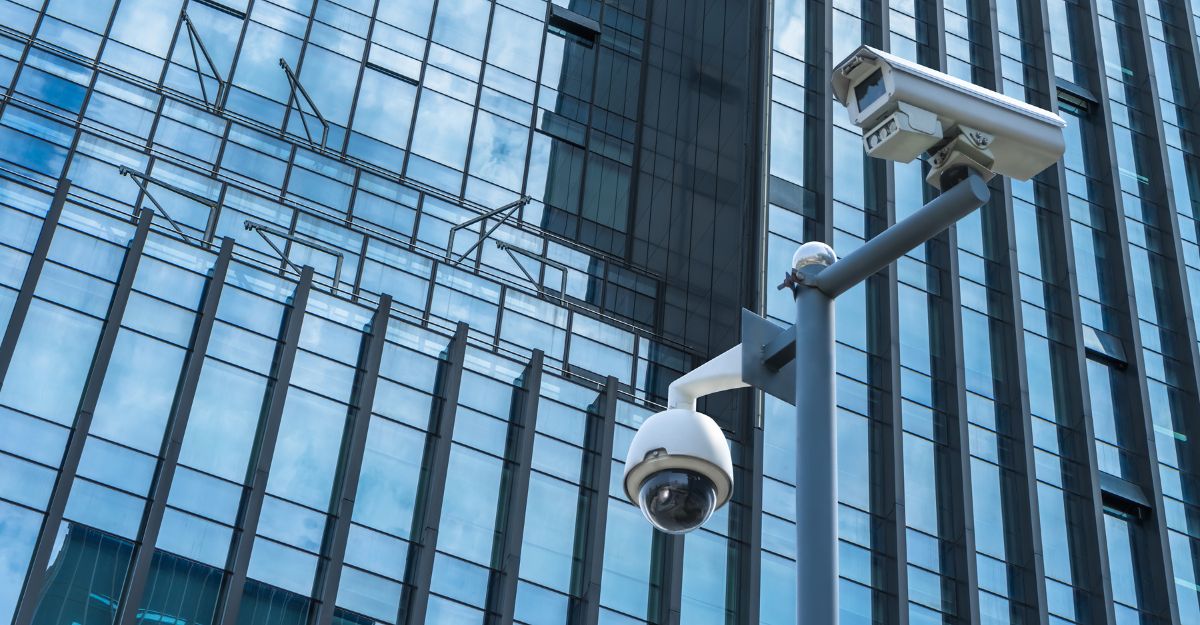
Surveillance no longer feels like someone standing behind you. It feels like convenience. Cameras, sensors, apps, and platforms quietly collect behavior while promising safety, efficiency, and personalization. The modern shift isn’t about being followed; it’s about being measured. Most people aren’t aware of when observation became constant, because it happened gradually, wrapped in tools they chose to use.
FROM SECURITY TO NORMALITY
Surveillance was once associated with crime prevention or national security. Today, it’s embedded in everyday life. Phones track location. Cars log movement. Homes listen for commands. Workplaces monitor productivity. None of it feels extreme because it’s framed as standard infrastructure. When observation becomes background noise, resistance fades.
DATA IS THE REAL ASSET
The value isn’t the camera or the sensor; it’s the pattern. Movement, timing, preferences, habits, and routines form a behavioral map. This data predicts future actions more accurately than personal statements ever could. Once behavior is predictable, influence becomes scalable. Surveillance isn’t about watching what you do—it’s about anticipating what you’ll do next.
CONSENT THROUGH CONVENIENCE
Most surveillance is opt-in without feeling like a choice. Terms are long, defaults are enabled, and opting out breaks functionality. Convenience becomes leverage. People trade visibility for ease, often unknowingly. When participation is required to function socially or economically, consent becomes symbolic rather than meaningful.
WORKPLACE MONITORING
Surveillance at work is framed as productivity and accountability. Time tracking, keystroke logging, performance dashboards, and location monitoring normalize constant evaluation. Employees adapt behavior not to improve outcomes, but to satisfy metrics. When measurement replaces trust, creativity shrinks and compliance grows.
SELF-SURVEILLANCE
The most effective surveillance is internal. People modify behavior because they assume they’re being watched, even when they’re not. Social media accelerates this by turning life into performance. Metrics replace meaning. Approval becomes quantifiable. Over time, individuals police themselves to avoid risk, controversy, or misinterpretation.
WHO BENEFITS FROM VISIBILITY
Visibility concentrates power upward. Institutions gain insight while individuals gain exposure. The asymmetry matters. Those who collect data remain largely unseen, while those generating it are fully transparent. This imbalance shifts leverage away from individuals and toward systems that interpret, monetize, or enforce based on that data.
THE MYTH OF HAVING NOTHING TO HIDE
Privacy isn’t about hiding wrongdoing; it’s about maintaining autonomy. Everyone behaves differently when unobserved. Creativity, dissent, experimentation, and growth require space free from judgment. When privacy erodes, behavior converges toward safety and conformity. The loss isn’t secrecy—it’s freedom to explore without consequence.
LIMITING EXPOSURE WITHOUT DISAPPEARING
Complete avoidance is unrealistic, but awareness changes behavior. Reducing unnecessary data sharing, questioning defaults, and separating critical life functions from monitored platforms restores some control. The goal isn’t invisibility; it’s selectivity. Knowing when you’re observed allows you to decide what’s worth sharing.
THE FUTURE OF BEING SEEN
Surveillance will continue to expand because it’s profitable and efficient. The deciding factor will be whether individuals remain passive participants or informed actors. Awareness transforms surveillance from an invisible force into a known variable. Once it’s seen clearly, it can be navigated strategically instead of blindly accepted.











Comments
No comments yet, be the first submit yours below.