Why People Defend Bad Decisions Even When They Know They're Wrong

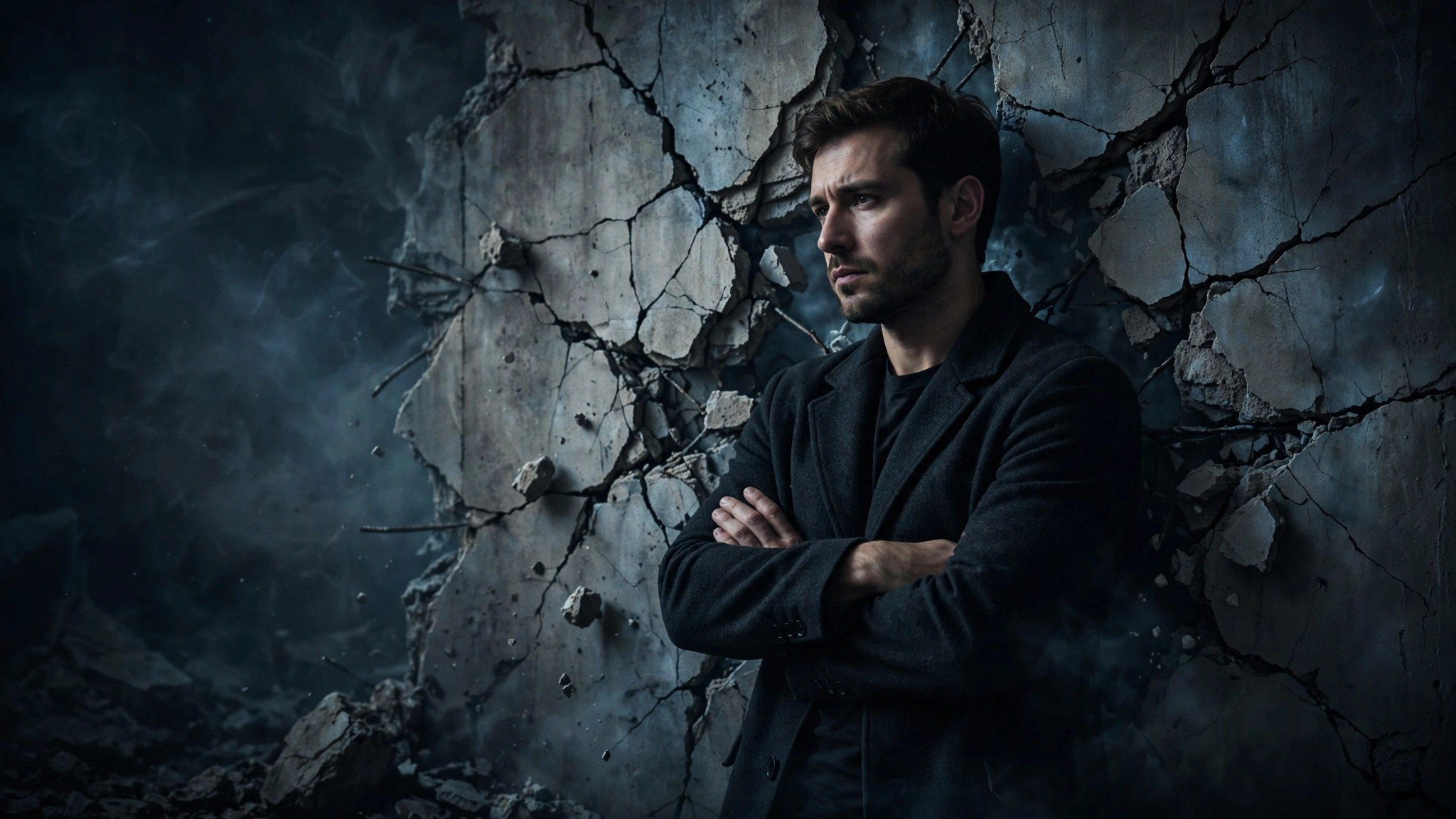
Admitting you're wrong is harder than being wrong.
Most people don't change their minds the moment new evidence appears. Instead, they often defend past decisions because admitting a mistake can feel like admitting personal failure. Protecting the ego becomes more important than correcting the decision.
Pride can outweigh logic.
Once time, money, or emotion has been invested into something, walking away becomes difficult. People often continue defending weak positions simply because they've already committed to them.
Identity shapes beliefs.
When an opinion becomes part of someone's identity, questioning that opinion can feel like a personal attack. As a result, conversations become about self-protection instead of learning.
The need to be right creates blind spots.
Everyone has biases. When people only seek information that supports what they already believe, they stop evaluating ideas objectively and reinforce their existing views.
Growth requires humility.
Changing your mind isn't weakness—it's a sign that you're willing to update your thinking when better information becomes available. The strongest thinkers care more about getting it right than looking right.
Truth doesn't care about ego.
Reality doesn't change because we defend our opinions. Long-term success belongs to those who can recognize mistakes, adjust quickly, and keep moving forward.
The easiest person to fool is yourself. The hardest person to convince is often the one protecting their own pride.








Comments
No comments yet, be the first submit yours below.