The Attention Bottleneck: Why Releasing More Music Doesn’t Automatically Build More Fans in 2026

Independent artists have been told the same advice for years: release more music. Drop consistently. Feed the algorithm. Stay visible. While consistency still matters, 2026 has exposed a hard truth most artists are learning the painful way—more releases do not equal more attention.
We are no longer in a scarcity era of music. We are in an attention bottleneck. The real challenge for independent artists today is not creating songs or distributing them. It’s breaking through a system where attention is limited, fragmented, and constantly being resold.
In 2026, the problem isn’t that artists aren’t working hard enough. The problem is that attention has become the most expensive currency in music.
The Myth of “Just Drop More Music”
Streaming platforms reward volume on paper, but punish it in practice. Artists are encouraged to release singles every few weeks, but without a real attention funnel, those releases often cannibalize each other.
Here’s what actually happens:
You drop a song. It gets a short algorithmic test. If it doesn’t immediately outperform your previous release, it’s quietly deprioritized. Then you drop again. The platform compares that new song against your own underperforming baseline—and the cycle repeats.
This isn’t growth. It’s churn.
The Attention Bottleneck Explained
The attention bottleneck exists because:
• Listeners are subscribed to more artists than ever
• Algorithms prioritize retention, not discovery
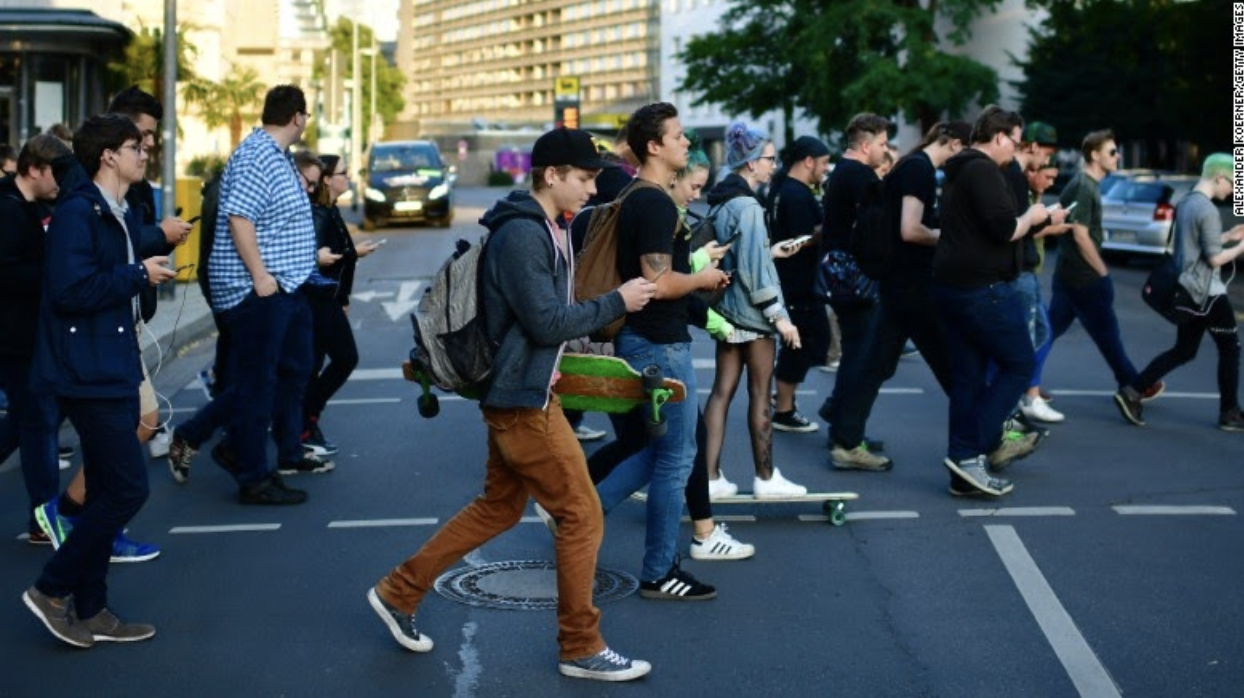
• Short-form platforms reset attention every few seconds
• Streaming platforms don’t owe artists exposure
When everyone is posting constantly, attention doesn’t expand—it compresses. This means most releases never reach new listeners. They recycle the same small audience, slowly burning them out.
Why Algorithms Favor Familiarity Over Discovery
Streaming algorithms are not designed to “break” artists. They are designed to keep users listening. That means safe recommendations, predictable behavior, and low risk.
If your music introduces uncertainty—new sounds, new branding, or inconsistent engagement—it becomes a liability to the system. The algorithm doesn’t hate independent artists. It simply doesn’t need them.
Algorithms don’t promote talent. They promote predictability.
Why More Songs Without Context Fail
Releasing music without narrative is like shouting into traffic. Songs need framing. Context. A reason to exist beyond “new release.”
Listeners don’t build emotional memory with songs alone. They build it with:
• Stories
• Visual identity
• Cultural placement
• Repetition across platforms
Without these layers, your release becomes disposable content—even if it’s great music.
The Real Cost of Over-Releasing
Over-releasing has hidden consequences:
• Lower save rates
• Reduced playlist trust
• Audience fatigue
• Algorithmic downranking
When listeners skip your songs too often, platforms interpret it as lack of interest—not saturation. That data follows you. Every release trains the system how to treat the next one.
Why Attention Is Now Rented, Not Earned
Platforms used to reward early adopters. In 2026, attention is rented through:
• Paid placements
• Influencer intermediaries
• Content creators who don’t make music
• Platforms selling “visibility tools”
Artists are no longer competing with other artists. They’re competing with comedians, brands, podcasts, streamers, and ads—inside the same feed.
The Shift From Volume to Leverage
The artists who win in 2026 don’t release more music. They release with leverage.
Leverage looks like:
• One strong release supported for 60–90 days
• Multiple content angles per song
• Platform-specific storytelling
• Direct fan touchpoints outside streaming
This approach slows releases but multiplies impact.
Why Independent Platforms Still Matter
Third-party platforms, blogs, and independent media haven’t disappeared—they’ve become filters. When music is featured outside of streaming platforms, it gains legitimacy that algorithms alone won’t provide.
External validation still signals demand. It still creates discovery loops. And it still introduces artists to listeners who aren’t being force-fed the same recommendations.
Streams create numbers. Coverage creates memory.
How Artists Should Think Differently About Releases
Instead of asking, “How often should I drop?” artists should ask:
• How long can I sustain attention on one record?
• Where does discovery actually happen for my genre?
• What data signals matter beyond streams?
• How do I move listeners closer, not just wider?
Music is no longer the entry point. Attention is.
Final Thought: Less Noise, More Signal
The attention bottleneck isn’t going away. Platforms will continue to monetize visibility. Algorithms will continue to protect engagement. And artists will continue to be told to “just stay consistent.”
The ones who break through will be those who understand this truth:
In 2026, the goal isn’t to release more music. The goal is to make fewer releases matter more.
Until artists shift from chasing output to controlling attention, the bottleneck will keep winning.







Comments
No comments yet, be the first submit yours below.