Why Being Watched Changes How People Behave

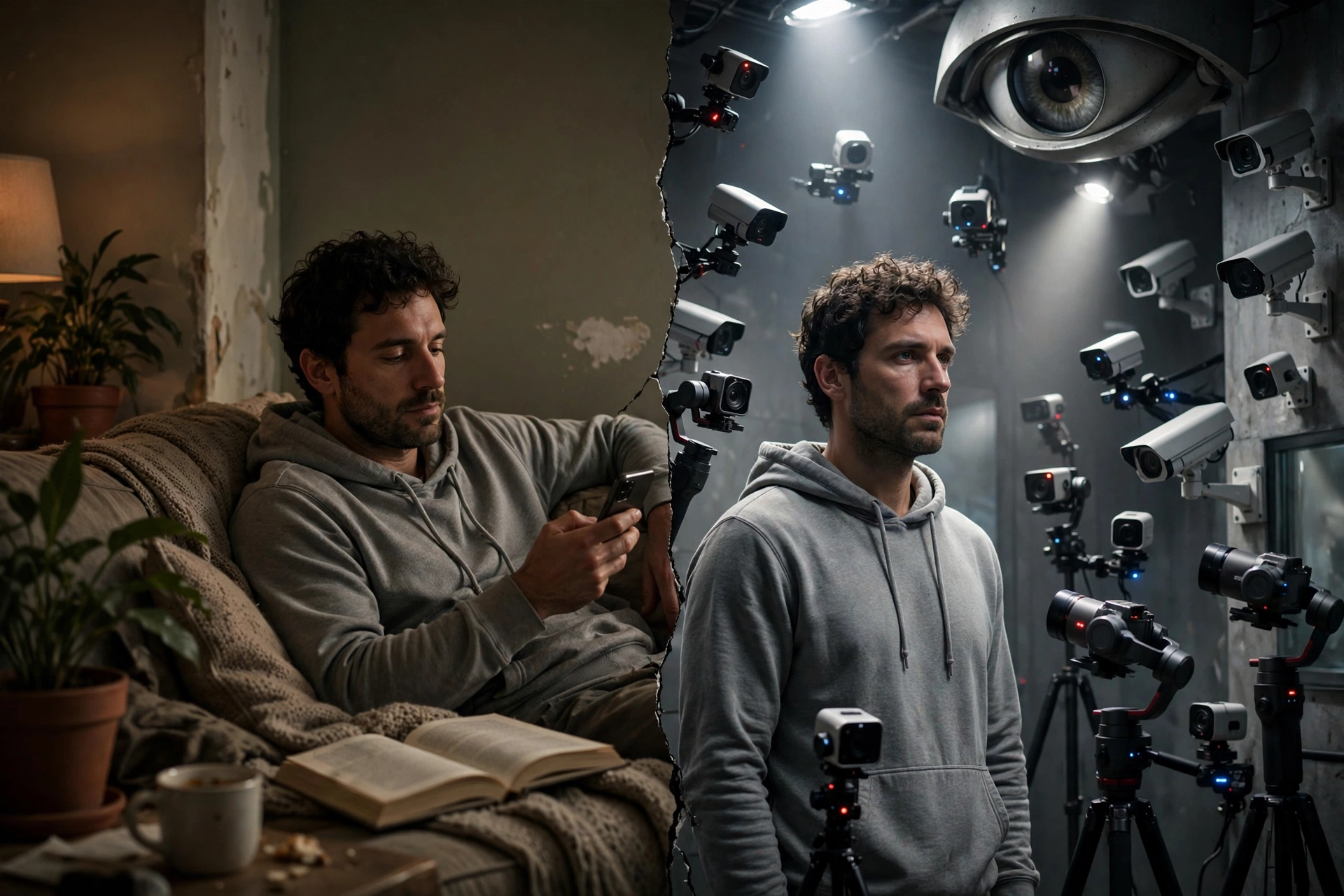
People act differently when they believe they are being observed.
Surveillance isn't only about cameras or tracking systems. The awareness that actions may be recorded, measured, or analyzed can influence decisions, conversations, and behavior even when no one is directly watching.
Observation changes behavior.
When people know their actions are visible, they often become more careful. This can create benefits like safety and accountability, but it can also affect how freely people express themselves.
Data creates a digital shadow.
Modern technology allows information about activity, preferences, and interactions to be collected at a massive scale. Over time, these pieces of information can create a detailed picture of a person's habits.
Convenience makes tracking easier.
Many services use location, activity patterns, and usage data to provide better experiences. The trade-off is that more personal information becomes part of the systems we rely on every day.
Awareness creates better choices.
Understanding how tracking works helps people make smarter decisions about permissions, privacy settings, and the platforms they choose to use.
Freedom requires awareness, not ignorance.
Technology itself is not automatically good or bad. The important question is understanding how it works, who controls it, and how much influence it has over your daily life.
The modern world runs on information. Knowing how that information is collected and used is one of the most important skills of the digital age.





:max_bytes(150000):strip_icc()/couple-drinking-coffee-face-to-face-in-cafe-595346999-5868719b5f9b586e02000bf5.jpg)





Comments
No comments yet, be the first submit yours below.