Why Fear Keeps Repeating on Schedule


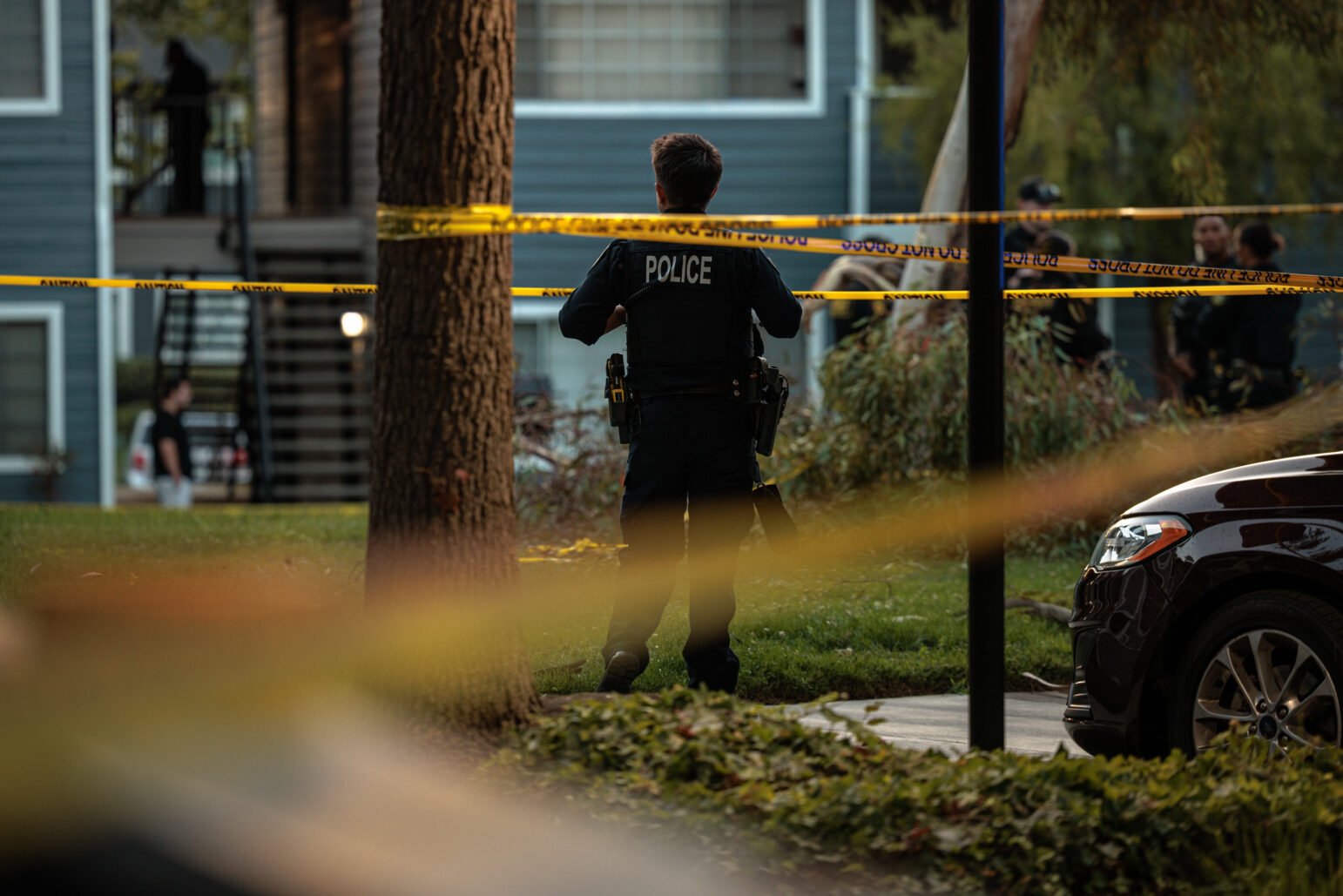
Panic doesn’t spread randomly—it follows patterns. Crises, shortages, threats, and emergencies are amplified, repeated, and recycled until fear becomes routine. Once panic becomes cyclical, people stop preparing and start reacting, exactly as systems of control prefer.
FEAR AS A TRIGGER
Panic begins with uncertainty. When information is incomplete or contradictory, fear fills the gap. This emotional response overrides logic and accelerates mass reaction.
MEDIA AMPLIFICATION
Constant alerts, breaking news, and sensational framing keep nervous systems activated. Panic spreads faster when repetition replaces resolution.
SCARCITY PROGRAMMING
Shortages—real or perceived—trigger instinctive hoarding and competition. Scarcity collapses cooperation and shifts focus from planning to survival.
EMOTIONAL CONTAGION
Fear is contagious. Seeing others panic validates the threat, even when evidence is weak. Group anxiety multiplies individual stress.
SHORT MEMORY LOOPS
Panic cycles repeat because lessons aren’t retained. Once the threat fades, preparation stops. The next crisis arrives with the same surprise.
CONTROL THROUGH EXHAUSTION
Chronic panic wears people down. Exhausted populations seek relief, even if it means surrendering autonomy, choice, or long-term thinking.
PROFIT FROM PANIC
Fear creates demand. Emergency spending, impulse buying, and compliance skyrocket during panic phases, turning anxiety into revenue.
BREAKING THE CYCLE
Preparation neutralizes panic. Planning, reserves, and perspective disrupt fear loops and restore control during uncertainty.
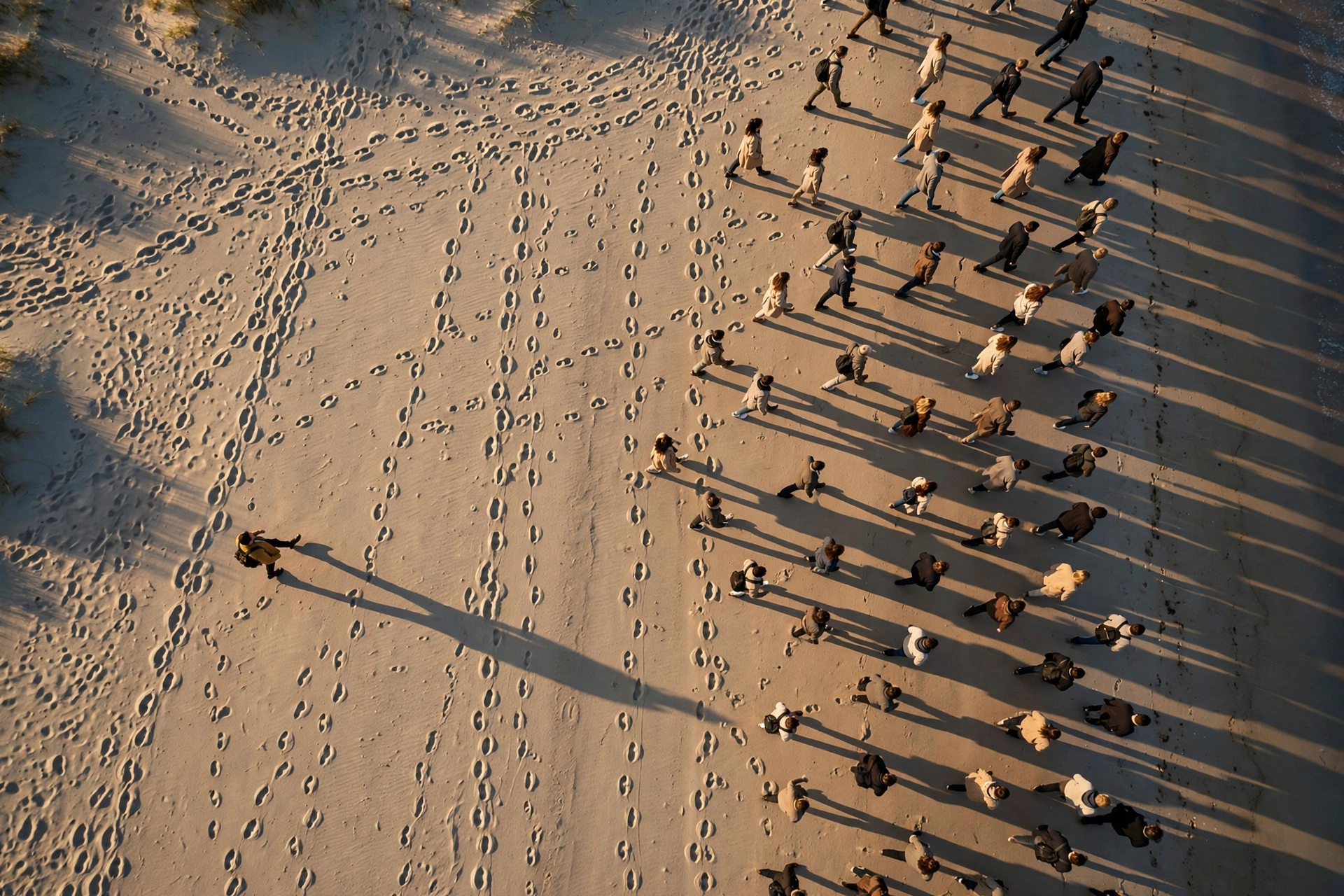
CALM AS A WEAPON
Staying calm in a panicked environment is a strategic advantage. Clarity allows better decisions while others react emotionally.
LONG-TERM AWARENESS
Recognizing panic cycles transforms fear into foresight. Those who see the pattern stop being controlled by the schedule.








Comments
No comments yet, be the first submit yours below.