Panic Is a Renewable Resource

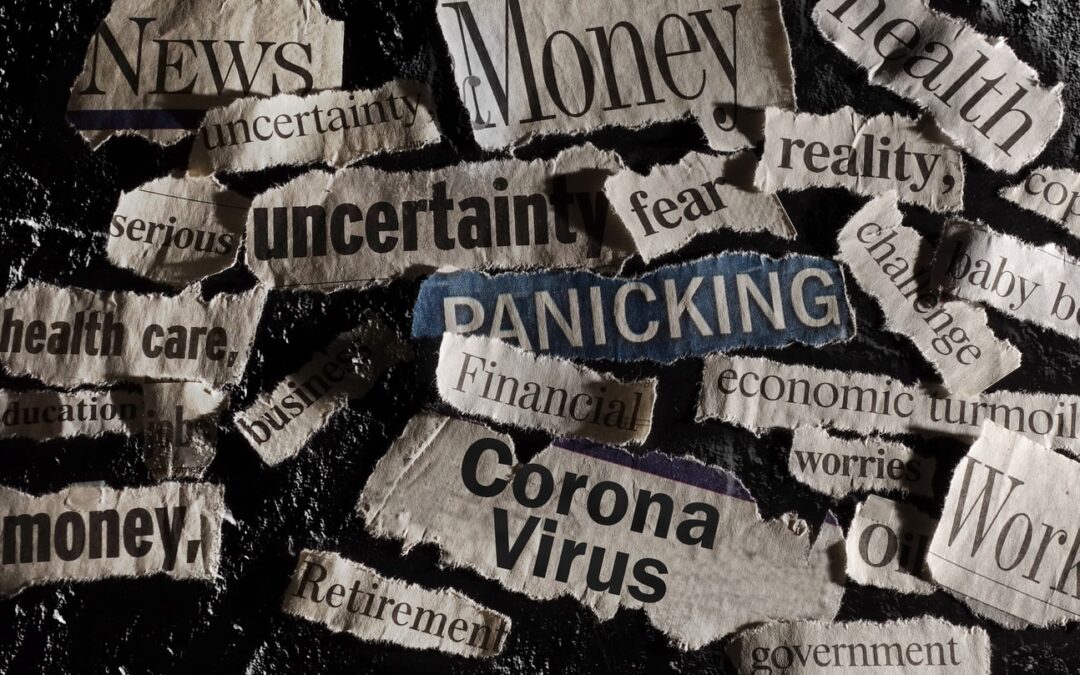
Panic cycles don’t happen randomly. They are triggered, amplified, and recycled because fear is efficient. When people panic, they stop thinking long-term and start reacting short-term. Decisions made under panic prioritize relief over strategy. That makes populations predictable, impulsive, and easier to steer. Calm disappears first, and leverage disappears right after.
HOW PANIC IS MANUFACTURED
Panic is created through urgency, repetition, and uncertainty. Alarming headlines, countdowns, and constant updates keep the nervous system activated. The goal isn’t accuracy — it’s emotional saturation. When fear is continuous, people lose the ability to distinguish real threats from exaggerated ones. Everything starts to feel like an emergency.
WHY PANIC BENEFITS SYSTEMS
Panic accelerates compliance. People accept restrictions, bad deals, and rushed solutions they would reject while calm. Oversight weakens because questioning feels dangerous when time feels scarce. Once panic passes, the changes remain. The cycle resets, waiting for the next trigger.
THE PHYSIOLOGY OF CONTROL
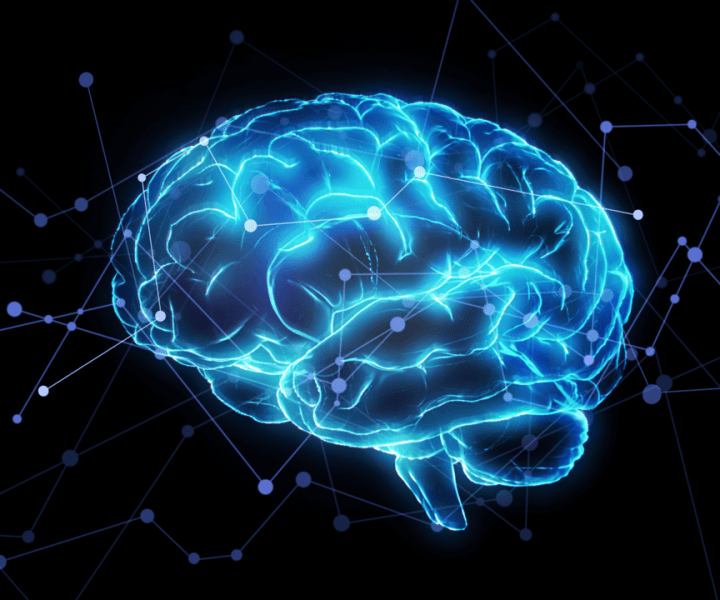
A panicked brain seeks authority and certainty. Stress hormones suppress critical thinking and increase obedience. This isn’t a moral failure — it’s biology being exploited. Repeated cycles train people to respond emotionally instead of strategically.
THE EXIT
Panic loses power when you slow everything down. Fewer inputs, more observation, delayed decisions. Calm breaks the cycle because it removes the fuel. In a world addicted to urgency, staying grounded is a form of resistance.






Comments
No comments yet, be the first submit yours below.