Why Constant Hustle Can Destroy the Progress You're Chasing

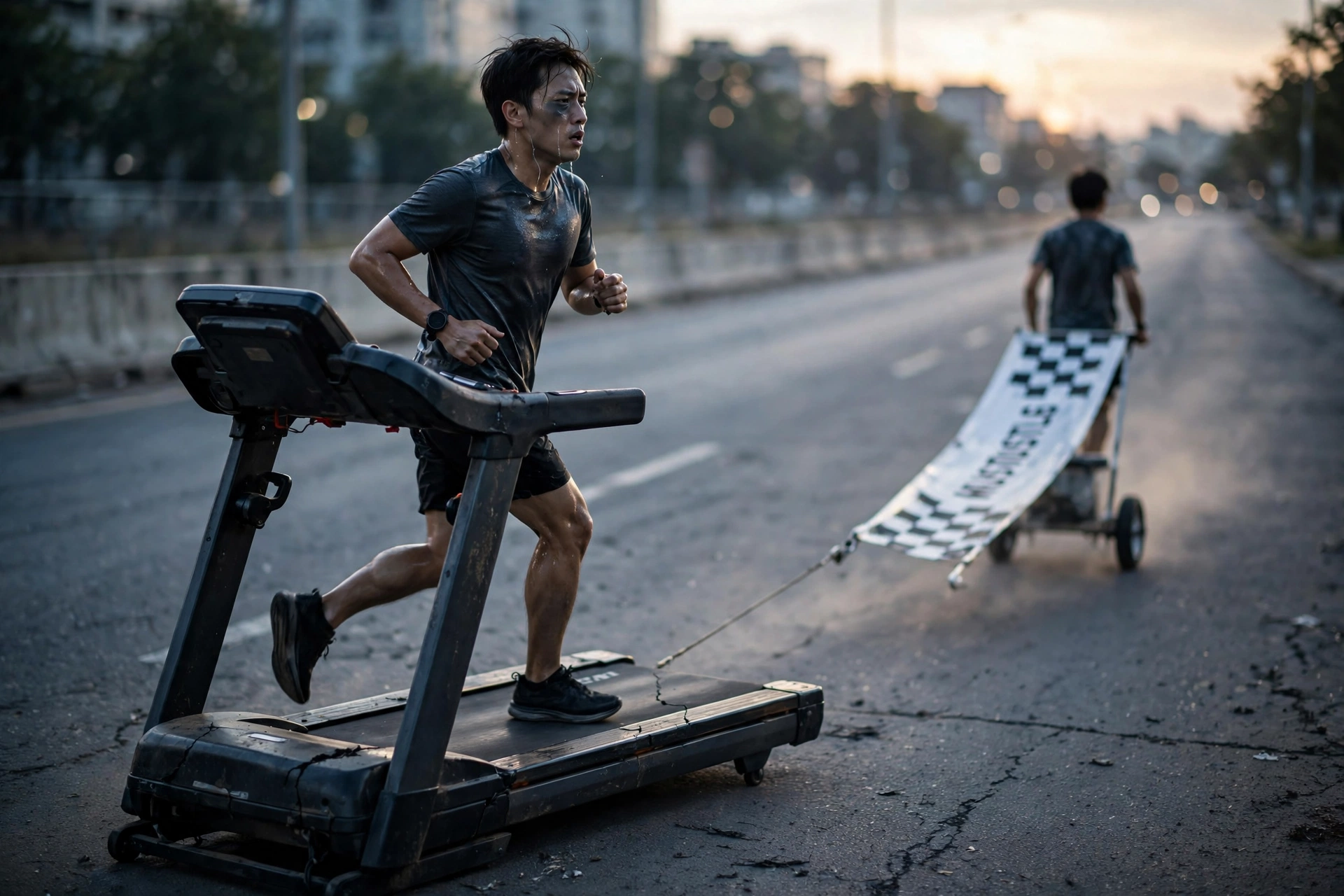
Being tired is not always a sign of success.
Modern culture often celebrates nonstop work, constant availability, and always pushing harder. But without recovery, the same drive that creates progress can eventually become the thing that slows you down.
Exhaustion changes decision-making.
When the mind and body are constantly drained, focus decreases, patience gets shorter, and small problems begin feeling much larger. Burnout doesn't just reduce energy—it affects judgment.
More hours don't always mean more results.
Working longer can create the illusion of productivity, but quality, creativity, and problem-solving often decline when someone operates without enough rest.
Recovery is part of the strategy.
Rest is not laziness. Sleep, breaks, exercise, and time away from work allow the brain to process information, restore energy, and return stronger.
The wrong pressure creates the wrong results.
Some people chase success while carrying unrealistic expectations, comparing themselves constantly, or trying to prove their worth through exhaustion. That pressure can turn ambition into a trap.
Sustainable beats extreme.
The people who last are usually not the ones who sprint forever. They are the ones who build routines they can maintain, protect their health, and keep improving over time.
Hustle can open doors, but burnout can close them. The goal isn't to work until you break—the goal is to build something you can keep carrying.








Comments
No comments yet, be the first submit yours below.