Surveillance State: Why Privacy Feels Like a Memory

Convenience Built the Infrastructure
Modern surveillance did not arrive with sirens. It arrived with convenience. Smartphones track location to improve navigation. Smart speakers listen for commands to respond instantly. Apps collect behavioral data to personalize content. Each feature feels helpful on its own. Combined, they form an always-on network of observation. Data is gathered quietly in exchange for speed and customization. The infrastructure expands not through force, but through voluntary adoption. What feels optional gradually becomes standard.
Data as the New Currency
Personal data now functions as economic fuel. Every search query, purchase, and interaction leaves a trace. Companies analyze patterns to predict behavior and target advertising. The more precise the data, the more valuable it becomes. Users rarely see the full map of what is collected or how long it is stored. Privacy policies are accepted quickly to access services. Information becomes a commodity traded in invisible markets. Control shifts from individuals to systems built around aggregation.
Normalization of Monitoring
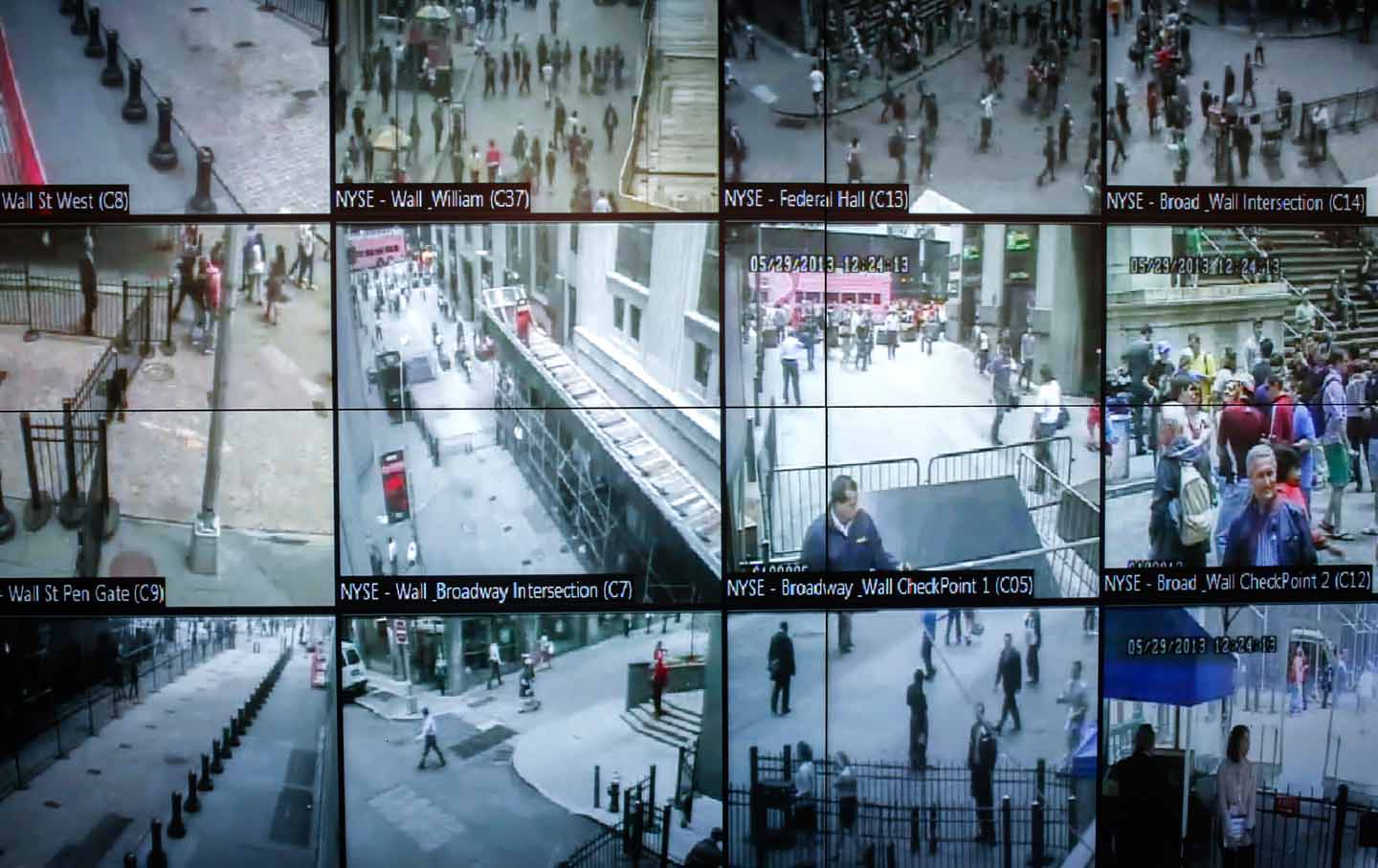
Over time, constant tracking feels ordinary. Cameras in public spaces are expected. Workplace monitoring software tracks productivity. Social platforms archive conversations indefinitely. The language used frames monitoring as safety, optimization, or user experience improvement. Gradual exposure reduces resistance. What once felt intrusive now feels routine. This normalization lowers the threshold for expanded data collection. When awareness fades, boundaries blur quietly.
The Psychological Impact
Living under continuous observation subtly changes behavior. People may self-censor opinions or avoid controversial topics. The awareness of potential recording encourages caution. Even when surveillance is passive, its presence influences choices. Behavioral adaptation becomes internalized. Over time, authenticity may narrow to what feels socially or professionally safe. The result is not dramatic control, but quiet conformity. Monitoring shapes environments without visible enforcement.
Reclaiming Digital Boundaries
Protecting privacy does not require complete withdrawal from technology. It begins with conscious limits. Reviewing app permissions reduces unnecessary access. Using privacy-focused tools limits data exposure. Separating personal and professional accounts decreases data consolidation. Regularly deleting unused accounts narrows digital footprints. Small adjustments restore partial autonomy. Awareness is the first defense against passive tracking. Privacy strengthens when it becomes intentional rather than assumed.









Comments
No comments yet, be the first submit yours below.