You Don't Own Anything on the Internet Until You Can Take It Somewhere Else 😂

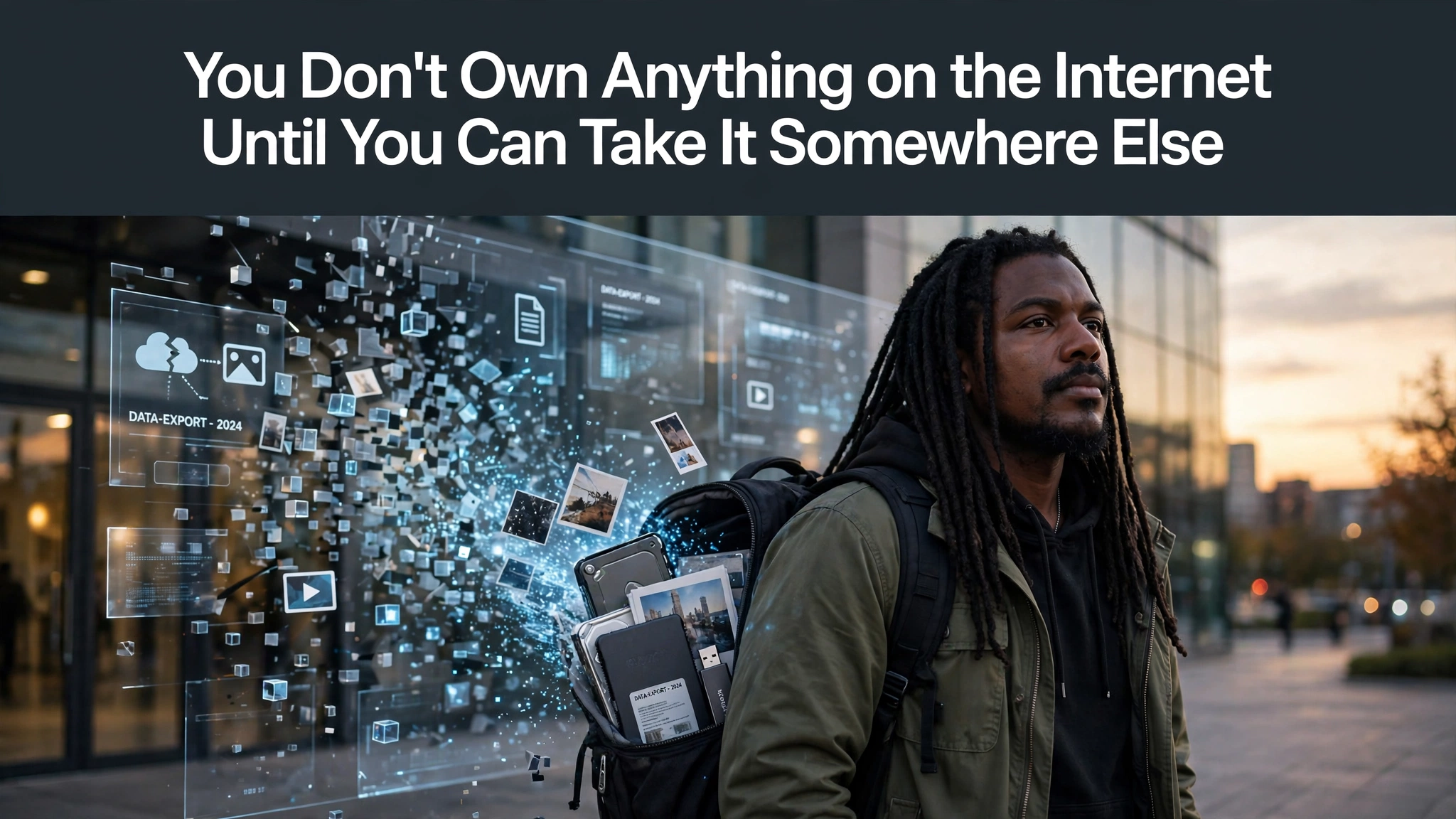
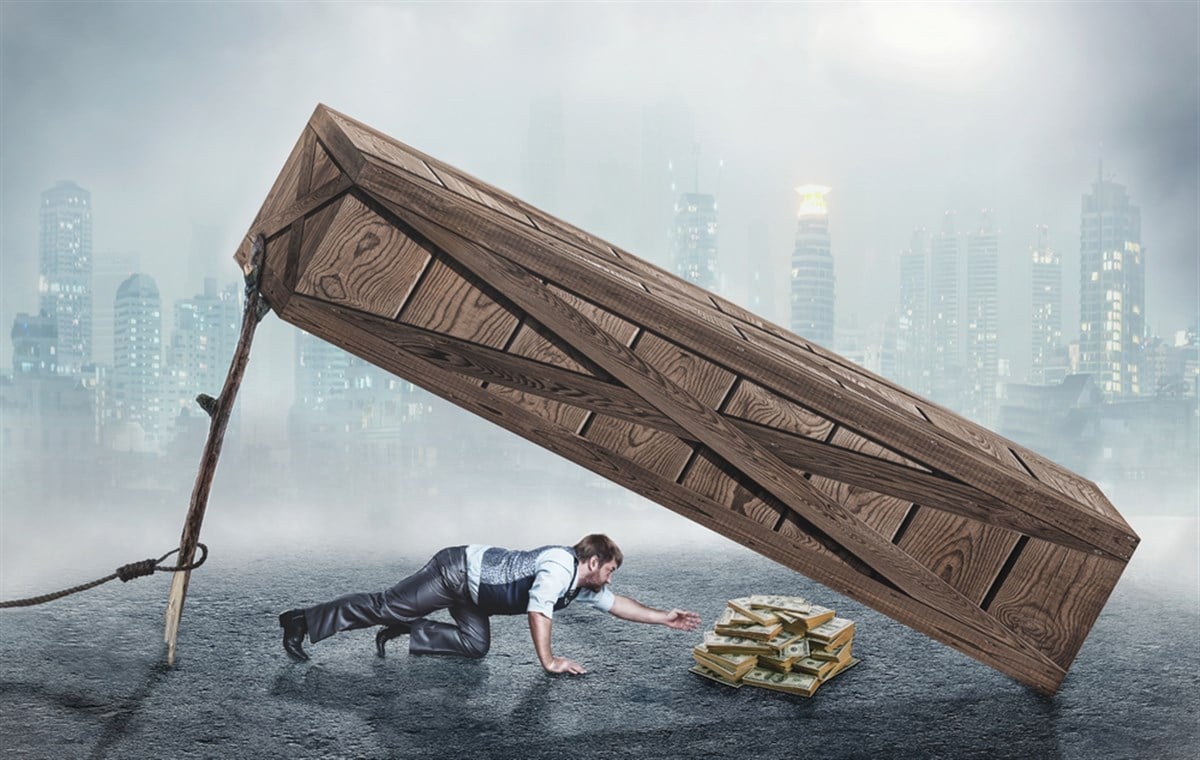
You can have 100,000 followers, millions of views, thousands of posts, and a business generating income online. Then one automated decision later, you're locked out of your account, your audience can't reach you, and your entire digital empire is sitting behind somebody else's login screen. Congratulations! You're rich in followers and broke in ownership. 😂
We need to have an uncomfortable conversation about what it actually means to own something on the internet.
People spend years building their presence on social media. They post every day, respond to comments, grow their following, learn the algorithm, and develop relationships with an audience. Eventually, they have something valuable: attention, recognition, and a community of people who want to hear what they have to say.
But here's the question nobody seems interested in asking until something goes wrong: How much of that do you actually own?
You might own the phone you use to post. You might own the photographs you created. You might own the music you recorded, depending on your agreements and rights. But the account, the distribution system, the recommendation algorithm, and your access to the audience are governed by a platform you don't control.
You can own the content and still depend on somebody else to let people see it.
That's a massive difference.
Imagine spending five years building a storefront, decorating it, attracting customers, and developing a reputation. Then imagine discovering that somebody else owns the building, controls the front door, decides which customers can find you, and can suspend your access under its rules.
Would you call that complete ownership? Or would you call it a business operating on somebody else's property?
That's the relationship many creators have with social media. And it isn't automatically a bad deal. Platforms provide enormous reach, infrastructure, and opportunities that would be difficult to build independently. The problem starts when you confuse access to their infrastructure with ownership of your entire business.
Because those are two different things.
Your follower count is not a customer database.
A follower might see your post today and never see another one. The platform decides what gets distributed, what gets recommended, and how much visibility your content receives. Your audience can grow while your reach shrinks. You can follow every recommendation and still have no guarantee that tomorrow's post will reach the people who followed you specifically to see it.
And if your account gets restricted, suspended, hacked, or permanently disabled, recovering your access may be difficult or impossible. The exact outcome depends on the platform and circumstances, but the underlying risk remains: your connection to your audience can be interrupted by a decision you don't control.
Now imagine that same audience is also connected to a website you own.
You have your own domain, your own content archive, your own database, and a way for people to return without relying exclusively on a social media feed. You can still use social platforms to attract visitors, but your entire operation doesn't disappear just because one platform changes its rules.
That's a different level of independence.
And no, owning a website doesn't mean you're invincible. Hosting companies can experience outages. Domains expire. Servers get compromised. Payment processors can suspend service. Search engines change their algorithms. Independent ownership comes with responsibilities, costs, and technical risks of its own.
But when you control more of your infrastructure, you have more options for responding when something goes wrong.
The goal isn't to abandon platforms. It's to stop making any single platform the foundation of your entire existence online.
Think about musicians. An artist can spend years building a following on a social network, only to discover that followers don't necessarily translate into streams, sales, ticket purchases, or sustainable income. Attention is valuable, but attention without a way to build a lasting relationship with listeners can be temporary.
A website, mailing list, direct-to-fan store, or other independently managed channel can give that artist additional ways to reach supporters. None guarantees success, but each can reduce dependence on one gatekeeper.
The same principle applies to writers, journalists, educators, entrepreneurs, and anybody building something online.
If you write articles, keep legitimate copies and backups. If you create videos, preserve your original files. If you operate a business, maintain records of your customers and transactions in ways that comply with privacy laws and platform terms. If your audience matters to your future, build appropriate ways for people to find you outside a single social feed.
And please, use strong passwords, multifactor authentication, and reliable backups. Digital independence doesn't mean much if somebody can take over your entire operation because you used the same password everywhere. 😂
There's another uncomfortable side to this conversation: platforms can change the rules even when you have done nothing wrong. Monetization requirements can change. Features can disappear. Reach can fluctuate. Policies can be updated. Sometimes those decisions are necessary for safety or legal compliance, and sometimes creators disagree with how they're applied.
You don't have to believe every platform is conspiring against you to recognize that the platform's priorities may differ from yours.
The company wants to run its business. You want to run yours. Sometimes those interests overlap. Sometimes they don't.
That's precisely why relying on a single company to control every important part of your online business is risky.
Real digital ownership means having something you can preserve, manage, and move forward with even when a platform changes.
It means understanding the difference between renting attention and building an asset. It means knowing where your content lives, who controls your domain, how your data is backed up, and what your options are if your primary channel disappears.
It also means being realistic. A domain name alone isn't a business. A website nobody visits isn't automatically valuable. Owning your infrastructure doesn't guarantee revenue, and independence doesn't eliminate the need to market your work.
You still have to create something people care about. You still have to earn trust. You still have to give people a reason to return.
But once you've done that work, why would you want your only connection to those people to exist inside a system you can't control?
Use social media. Build your audience. Take advantage of the opportunities available. Just make sure you're building something beyond the follower count.
Because the internet was supposed to give people the ability to create, publish, communicate, and build businesses without asking traditional gatekeepers for permission. Somewhere along the way, many of us became so focused on reaching people through platforms that we forgot to build places of our own.
Don't just build a following. Build an asset. Don't just collect views. Create something people can return to. And don't confuse being popular on somebody else's platform with being in control of your own digital future.
Let's debate it: If you have 100,000 followers on a platform but no independent website, customer list, or alternative way to reach your audience, do you own a digital business—or are you building one on rented land?
And if your main account disappeared tomorrow, how much of what you've built would still be standing? 😂



Comments
No comments yet, be the first submit yours below.