Convenience Is Watching You: The Price of Smart Everything

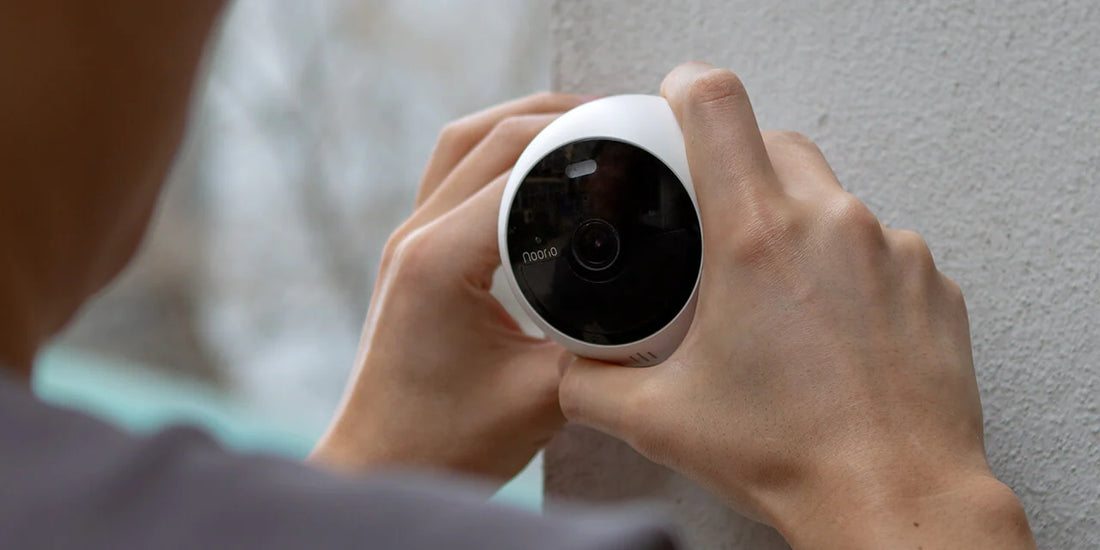
The Smart Home That Knows Too Much
You ask Amazon Alexa to play a song. You adjust your lights from your phone. Your doorbell camera from Ring records movement at 2:13 a.m. It feels efficient. Futuristic. Seamless. But behind that convenience is constant data collection.
Smart devices don’t just respond — they record, analyze, and transmit. Voice commands, movement patterns, wake-up times, delivery schedules. Your house isn’t just connected. It’s reporting.
Data Is the Real Product
When a device is discounted or bundled cheaply, ask why. Hardware margins are thin. Data margins are massive. Usage patterns help refine ads, predict purchases, and train AI systems. The smarter the device, the richer the dataset.
You’re not being individually targeted in some spy-movie sense. It’s broader than that. Aggregated behavior becomes predictive modeling. And predictive modeling becomes profit.
The Phone in Your Pocket
Your smartphone tracks location, app usage, search queries, biometric data. Platforms like Google and Apple emphasize privacy controls — but defaults still lean toward data collection. Maps know your commute. Photos know your face. Apps know your habits.
Even when anonymized, patterns remain powerful. If thousands of devices cluster in one area, traffic predictions improve. If millions search the same phrase, trends emerge. Surveillance today isn’t personal obsession — it’s statistical optimization.
Security vs. Exposure
Surveillance is often justified by safety. Cameras deter theft. Location tracking helps recover lost devices. Data improves services. And that’s true. The tradeoff isn’t imaginary.
But every connected system introduces vulnerability. Data breaches. Account hacks. Third-party sharing agreements buried in policy updates. The more interconnected your life becomes, the larger your digital footprint grows.
Control the Settings
Awareness isn’t paranoia. It’s calibration. Review privacy settings. Disable permissions that aren’t necessary. Separate devices from sensitive networks when possible. Understand what data you’re trading for convenience.
You don’t have to live off-grid. But you should know what you’re opting into. Technology is a tool. Tools amplify intention. If you never audit the system, you default into maximum exposure.
Smart living is powerful. Just make sure you’re the one making the choices — not the autopilot of convenience.











Comments
No comments yet, be the first submit yours below.