How Streaming Platforms Are Rewriting Music Ownership Without You Noticing


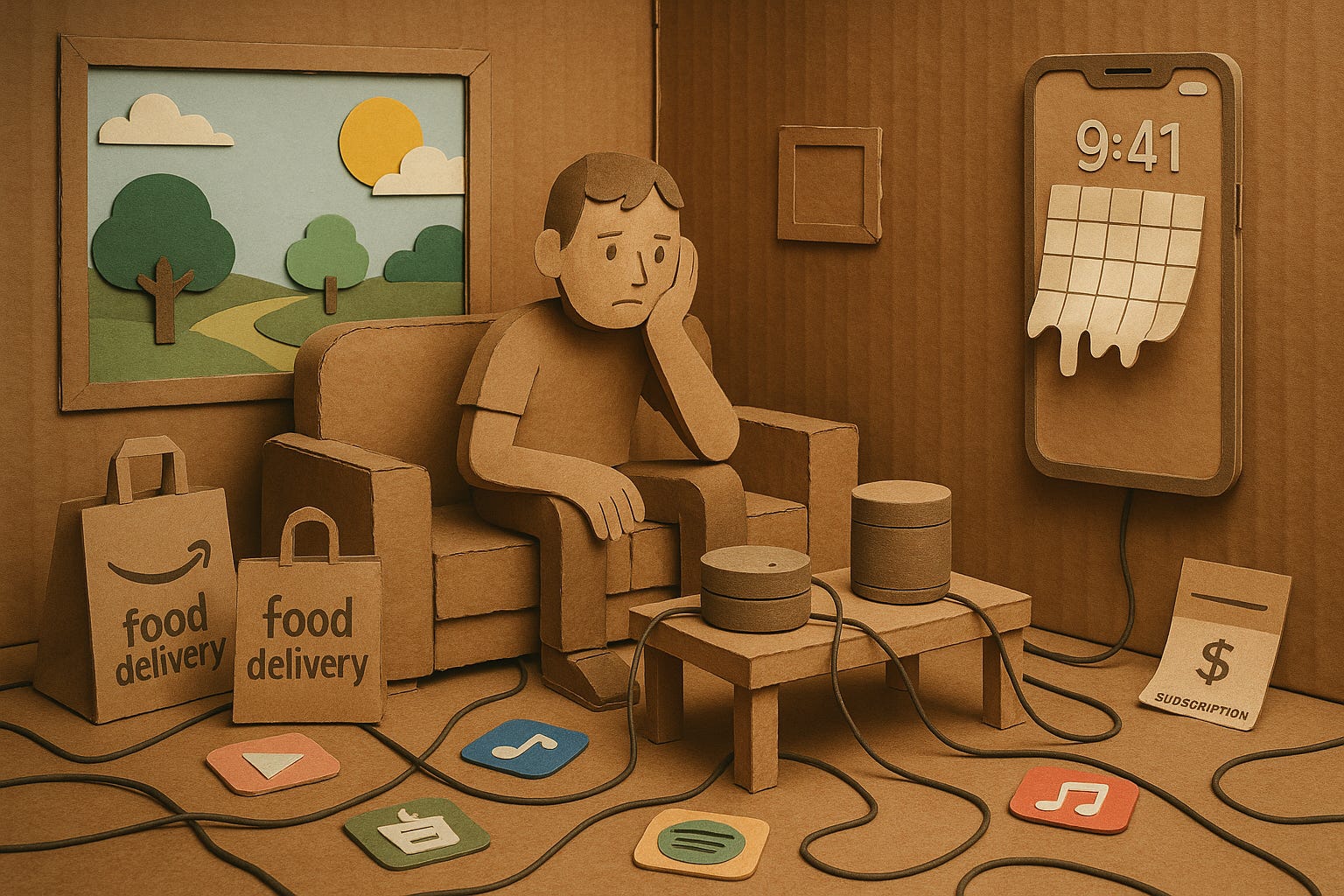
Music used to feel personal. You bought a record, a CD, or a vinyl, and it belonged to you. You could lend it, resell it, or play it anywhere. Streaming changed all of that, quietly shifting ownership into the hands of platforms. Now, you don’t own music; you rent access to it. Subscriptions, algorithmic playlists, and regional restrictions mean your library is conditional. The moment you stop paying, delete an account, or a licensing agreement ends, your access disappears. What seems like convenience is actually control being taken from you.
Streaming also manipulates listening behavior. Platforms curate playlists, recommend songs, and promote certain artists over others. Your exposure is no longer determined by curiosity or taste, but by algorithms designed to maximize engagement and profit. This subtle influence shapes culture, dictating trends, viral hits, and artist popularity. Listeners think they are discovering music, but in reality, they are navigating a system optimized for subscription retention, not artistic exploration.
Revenue structures have shifted, too. Artists now earn fractions of a cent per stream, and royalties depend on plays across platforms, not direct sales. This forces musicians to prioritize quantity, virality, and playlist placement over quality or longevity. The culture of music production adapts to algorithmic incentives rather than creative vision. Meanwhile, consumers unwittingly participate in a system that centralizes value while reducing the traditional benefits of ownership for both artists and listeners.
Ownership of music was more than possession; it was autonomy. You could play what you wanted, when you wanted, without restrictions. Streaming erodes this autonomy. Licensing agreements mean content is region-locked or removed without notice. Offline features are limited. Even your carefully curated playlists can be altered or deleted. The more convenience you gain, the less control you retain. The trade-off is subtle, but permanent, and most users never question it.
Music culture itself has been influenced. Viral trends, playlist curation, and algorithmic push affect what gets attention and what disappears. Independent or niche artists may struggle to surface without platform promotion, while mainstream content dominates. This concentrates cultural power in a handful of corporate hands, fundamentally changing how society experiences music. Ownership in this sense isn’t just personal; it shapes collective cultural memory.
Even fan engagement has shifted. Social media and streaming combine to create metrics-driven popularity contests. Fans are no longer just listeners; they are participants in data collection and engagement manipulation. Their behavior is monetized, tracked, and used to influence future platform design. Consumers effectively rent their attention, while platforms rent access to music, creating a layered system of dependency that benefits corporations more than creators or listeners.
The lesson for listeners is clear: true music ownership is now rare. Buying physical or fully downloadable digital copies remains the only guaranteed way to retain control. Subscriptions give access, but not permanence. Streaming simplifies convenience but centralizes authority and reshapes culture. Every song you “own” on a platform is conditional, dependent on policies you cannot control. Understanding this distinction is essential for reclaiming autonomy in music consumption.
For artists, the implication is equally profound. Control over their work is diluted, income is fragmented, and cultural influence is partially ceded to platforms. Licensing and distribution are mediated by corporate algorithms, not individual agency. Musicians must navigate a system designed for scale and engagement, rather than fairness or ownership. Those who adapt wisely may still thrive, but only by recognizing that their audience’s attention is rented, not guaranteed.
Ultimately, the shift in music ownership represents a broader cultural trend: digital convenience often comes at the cost of personal control. Streaming is not inherently bad, but understanding how it changes autonomy, culture, and financial reality is crucial. The convenience of infinite access masks a loss of ownership, agency, and permanence that previous generations of music lovers took for granted. Awareness is the first step to reclaiming some control in the digital music economy.







Comments
No comments yet, be the first submit yours below.