CALM IS A WEAPON

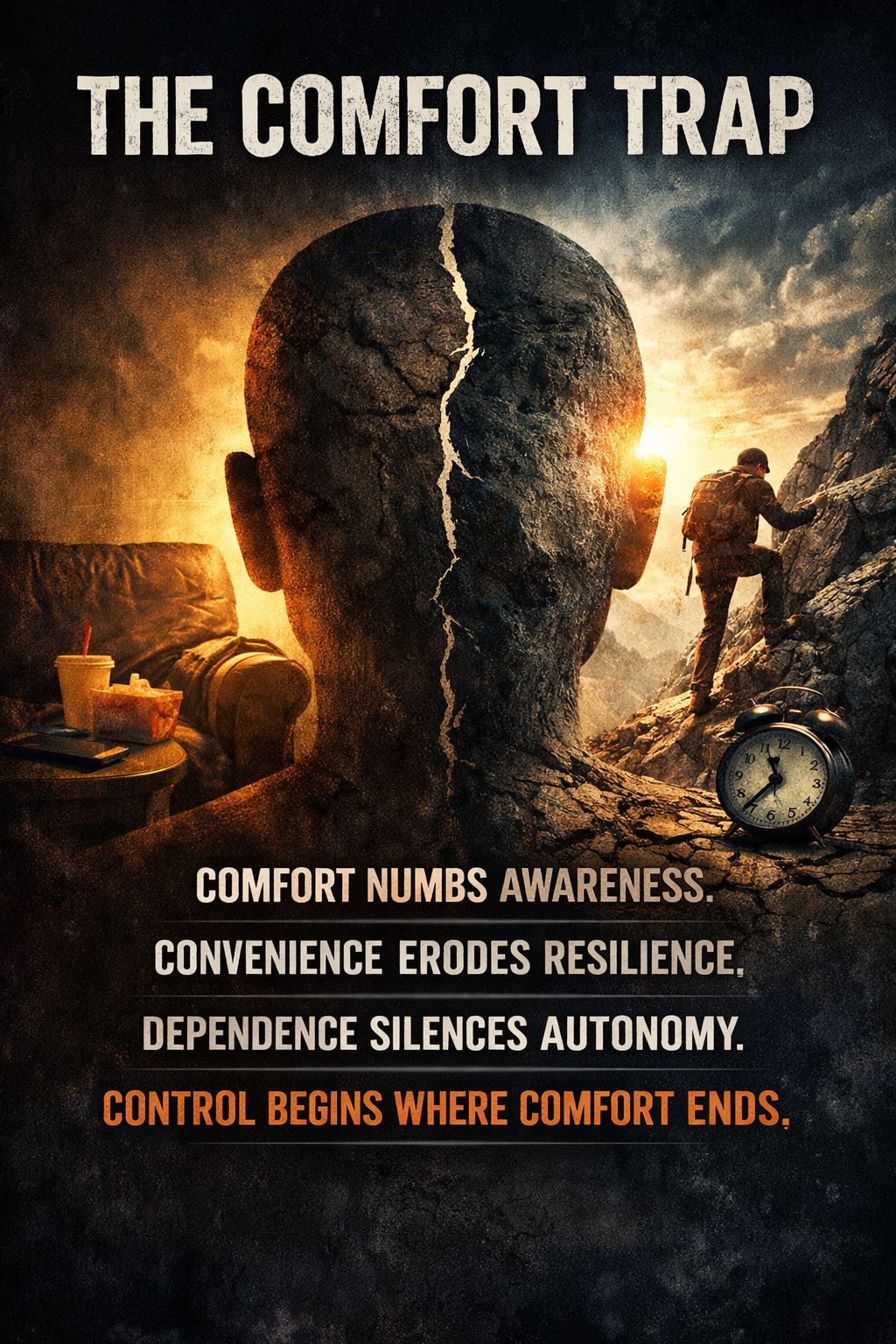
Comfort is marketed as progress. Every upgrade promises less friction, less waiting, less effort. Convenience becomes the silent metric of success. The system rewards speed over depth and ease over skill. Over time, discomfort starts to feel abnormal rather than developmental. People begin to avoid resistance instead of building capacity.
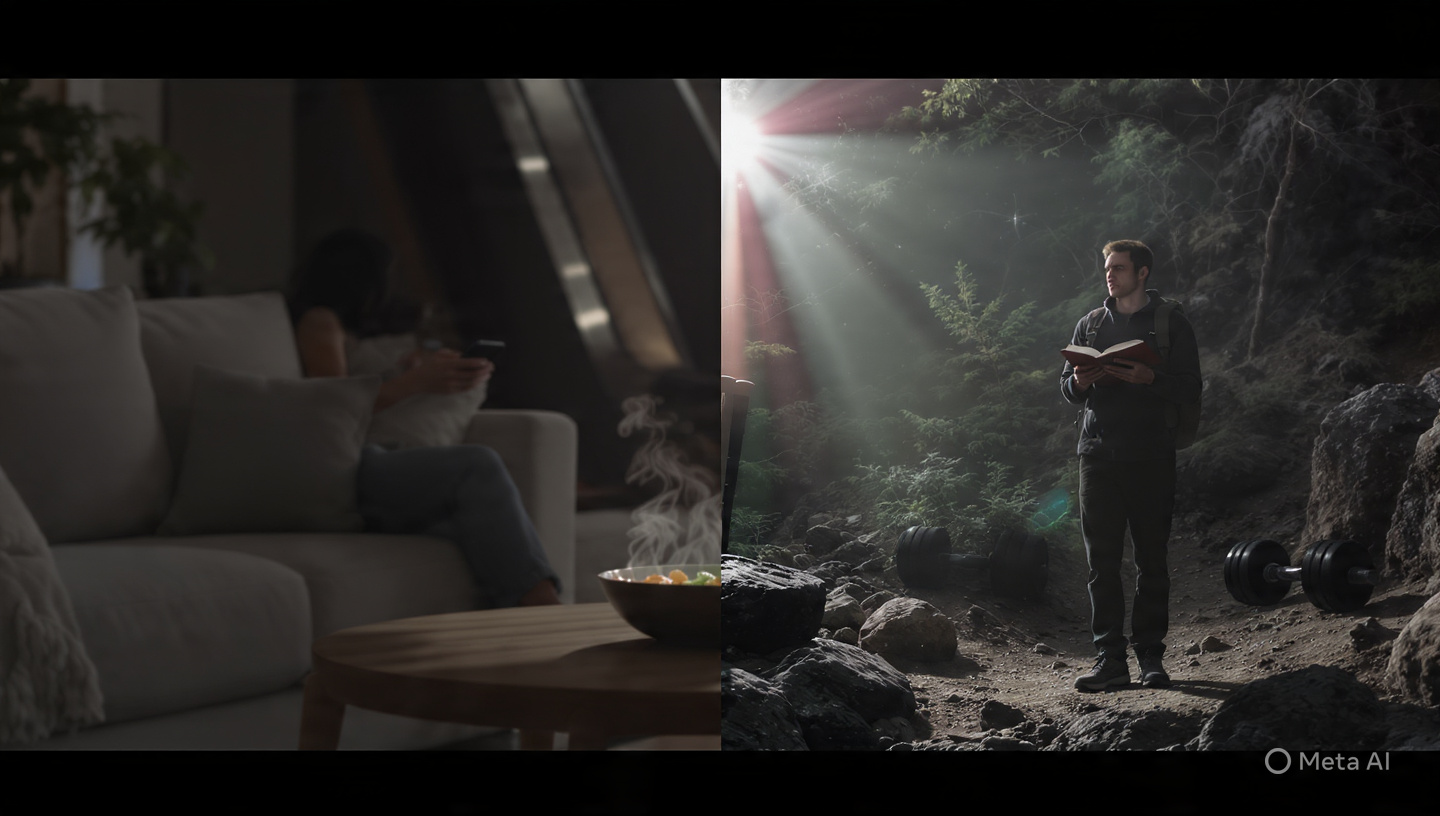
When friction disappears, so does awareness. Automatic payments hide spending. One-click decisions remove pause. Endless delivery reduces movement. The body weakens quietly while the mind grows impatient. A life optimized for ease slowly erodes resilience.
Incentives shape behavior. Systems profit when individuals prefer comfort over competence. Dependence becomes efficient. Skills that once ensured autonomy are outsourced to structures designed for scale. The more seamless the experience, the less control the user retains.
The trap is not comfort itself but unconscious attachment to it. When discomfort appears, panic replaces strategy. Capacity shrinks because it has not been practiced. Quiet power belongs to those who train under friction. Control begins where convenience ends.







Comments
No comments yet, be the first submit yours below.