Why You Make Money but Still Feel Broke

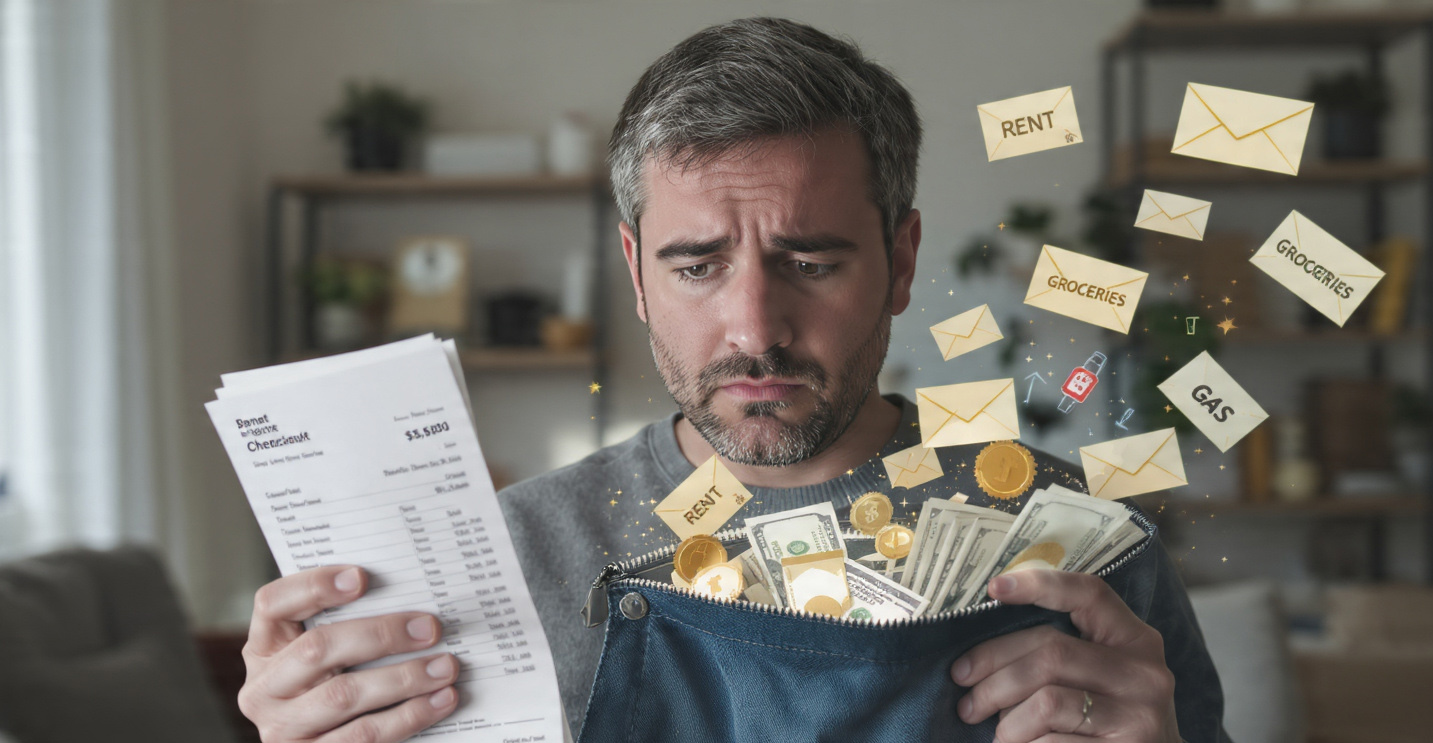
Income went up—but so did everything else.
You’re earning more than before, maybe even the most you’ve ever made. But somehow, it doesn’t feel like progress. Bills are higher, costs keep rising, and the extra money disappears faster than it comes in.
Lifestyle inflation creeps in quietly.
As income increases, spending tends to follow. Better food, upgraded subscriptions, newer devices—small upgrades that feel deserved but slowly reset your baseline expenses.
Fixed costs lock you in.
Rent, car payments, insurance, and utilities take up a larger share of income than most people realize. Once these are set, your financial flexibility shrinks.
The margin never grows.
Even with raises, if expenses rise at the same pace, the gap between income and spending stays the same. That’s why progress can feel invisible.
Comparison makes it worse.
Seeing others spend, travel, or upgrade creates pressure to keep up. Social perception can push people to spend beyond what actually makes sense for them.
Clarity creates control.
Tracking spending, identifying leaks, and being intentional with upgrades can help rebuild that margin. It’s not just about earning more—it’s about keeping more.
Feeling broke isn’t always about low income—it’s about lack of space. And until that space is created, more money won’t feel like more freedom.








Comments
No comments yet, be the first submit yours below.