How Algorithms Quietly Decide Who You Love

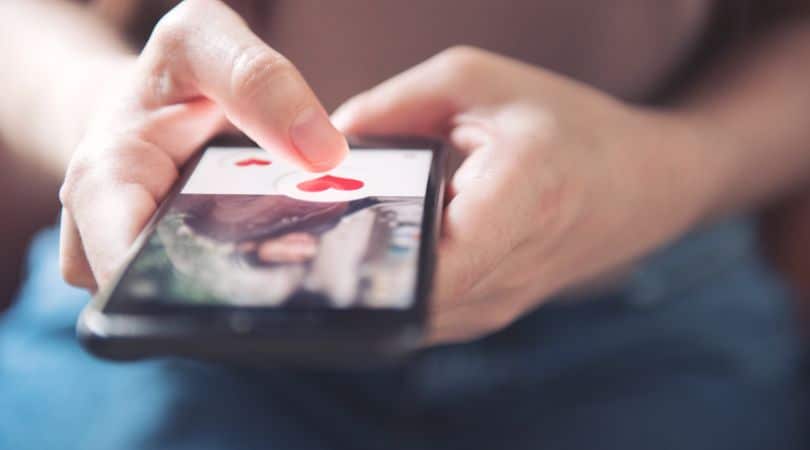
Modern dating didn’t just change how people meet—it changed how people value each other. Dating apps turned connection into a marketplace, and algorithms now shape attraction more than intuition. Choice feels infinite, but depth has become rare.
THE ILLUSION OF OPTIONS
Endless profiles create the belief that something better is always one swipe away. This illusion discourages effort and patience. Why work through discomfort when replacement feels instant?
GAMIFIED ATTRACTION
Swiping mimics slot machines. Matches trigger dopamine, not commitment. People chase validation instead of connection, mistaking attention for intimacy.
PERFORMATIVE DATING
Profiles reward presentation over substance. People optimize for photos, bios, and algorithms—then wonder why real-life chemistry feels flat.
DISPOSABILITY MINDSET
When people feel replaceable, they act accordingly. Ghosting, breadcrumbing, and emotional detachment become normalized survival strategies.
LOW TOLERANCE FOR DISCOMFORT
Healthy relationships require friction. Apps train people to avoid discomfort instead of working through it, weakening emotional resilience.
ALGORITHMIC BIAS
Apps reward engagement, not compatibility. Toxic dynamics keep people scrolling longer than stable ones.
CHOICE PARALYSIS
Too many options reduce satisfaction. People second-guess good connections, always wondering if they settled too soon.
WHY INTIMACY SUFFERS
True intimacy requires slowing down. Speed dating culture trains people to sample instead of invest.
RECLAIMING AGENCY
Intentional dating means fewer options, clearer boundaries, and patience. Algorithms can introduce—but only humans can commit.
THE HARD TRUTH
When love is treated like content, connection becomes disposable.




Comments
No comments yet, be the first submit yours below.