How Game Economies Quietly Train You for the Real World

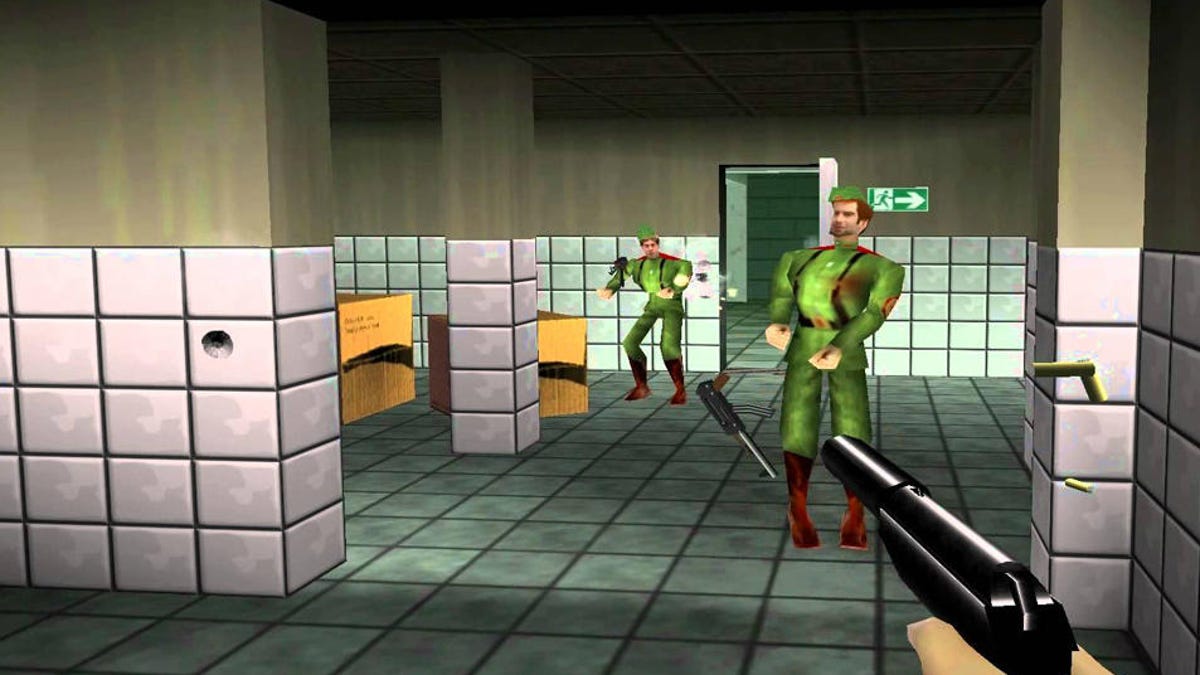
The Hidden Economy Inside Your Favorite Games
Modern video games are no longer just entertainment, they are fully functioning digital economies designed to shape behavior. Every skin, battle pass, loot box, and limited-time event is built to trigger urgency and emotional spending. Players are taught scarcity through artificial drops that disappear after a countdown timer hits zero. In-game currencies blur the perception of real money, making purchases feel smaller than they actually are. The grind becomes normalized as effort is exchanged for digital status symbols that have no value outside the platform. Over time, gamers adapt to a system where ownership is temporary and controlled by developers. What feels like play is often a carefully engineered marketplace.
From Virtual Currency to Real-World Conditioning
The structure of game economies mirrors modern subscription culture and microtransaction capitalism. You don’t fully own your characters, your skins, or even your progress because everything exists at the mercy of centralized servers. Seasonal resets teach players to accept cycles of loss and re-buying access to the same experience repackaged. Competitive ranking systems create artificial hierarchies that drive constant engagement and comparison. The reward loops are intentionally tight, releasing dopamine in controlled intervals to keep attention locked in. This digital battlefield is not just about winning matches, it is about winning attention and spending behavior. Understanding this dynamic turns you from a passive player into a strategic observer.








Comments
No comments yet, be the first submit yours below.