You Don’t Own Your Digital Life — And That’s the Trap

Access Is Not Ownership
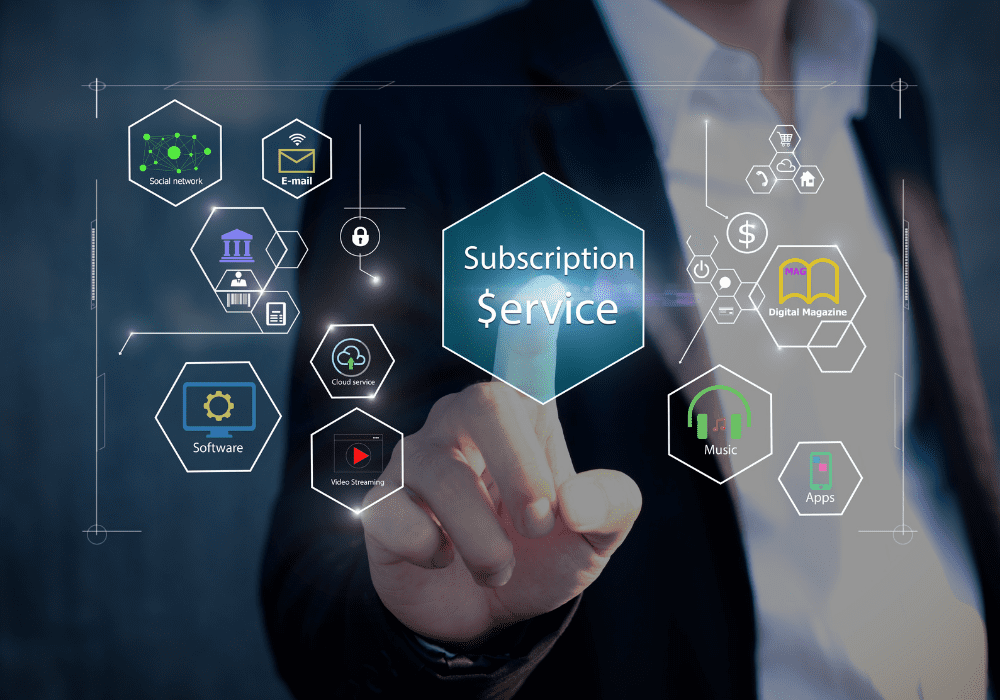
Most people think they “own” their digital life. Their music. Their movies. Their photos. Their social media accounts. Their cloud storage. But ownership has quietly been replaced with access. You don’t own the song — you stream it. You don’t own the movie — you license it. You don’t own the platform — you rent space inside it. And access can be revoked.
The shift happened gradually. Physical media became downloads. Downloads became subscriptions. Subscriptions became ecosystems. Companies like :contentReference[oaicite:0]{index=0}, :contentReference[oaicite:1]{index=1}, and :contentReference[oaicite:2]{index=2} built seamless environments where convenience replaced control. You don’t manage files anymore. You log in. The friction disappeared — and so did your leverage.
The License You Never Read
When you click “I Agree,” you enter a contract you didn’t negotiate. That movie you bought? It’s often a license, not property. If distribution rights change, content can vanish from your library. This has happened before. Books have been remotely removed. Shows disappear. Features get sunset. Accounts get suspended. The terms of service are long for a reason: you are not meant to study them.
This is not a glitch in the system. It is the system. Digital platforms retain ultimate authority over the environment. You operate inside their walls. If they change policy, pricing, or access tiers, your only real choice is compliance or exit. And exit often means losing your digital history.
The Cloud Is Someone Else’s Computer
Cloud storage sounds weightless and secure. But physically, your data sits on servers owned by corporations. If your account is flagged, hacked, or closed, retrieval can be complicated. Your photos, documents, creative work — years of life — are mediated through a login screen. Convenience centralizes risk.
Platforms like :contentReference[oaicite:3]{index=3} and :contentReference[oaicite:4]{index=4} store unimaginable volumes of personal information. They invest heavily in security, yes. But they also operate under policies that can change without your input. Digital dependence means policy vulnerability. The more centralized your life becomes, the less resilient it is.
The Subscription Cage
Ownership used to mean a one-time payment. Now it means recurring charges. Software moved from boxed copies to SaaS models. Entertainment moved from DVDs to streaming stacks. Productivity tools require monthly plans. Even cars are experimenting with subscription features. You don’t just buy products anymore — you rent functionality.
This creates a subtle economic trap. When everything is subscription-based, your fixed monthly burn increases. Cancel one service and you lose tools you’ve integrated into daily life. The switching cost becomes psychological, not just financial. You stay because leaving is inconvenient. That is strategic design.
Platform Lock-In
Ecosystems are engineered for retention. If your messages, photos, purchases, and contacts all exist inside one environment, moving becomes painful. Think about how deeply integrated devices and services are within :contentReference[oaicite:5]{index=5} or how search, email, and documents intertwine within :contentReference[oaicite:6]{index=6}. The ecosystem rewards loyalty — and punishes departure.
Lock-in reduces bargaining power. When a platform raises prices or alters privacy rules, mass exit is unlikely because users are entangled. The more valuable your digital history becomes, the more hostage it feels. Not because you are forced to stay — but because leaving means starting over.
Digital Identity as Leverage
Your accounts are not just storage. They are identity layers. Professional reputations live on social platforms. Businesses depend on algorithmic visibility. Creators rely on monetization rules set by companies they don’t control. A policy update can throttle reach overnight. An automated moderation flag can erase income streams.
In this structure, platform governance acts like private law. The rules are enforced instantly and globally. Appeals are often opaque. And because these platforms function as modern public squares, losing access can feel like social exile. Digital ownership becomes less about files — and more about autonomy.
Convenience vs. Control
The tradeoff is obvious when you slow down: convenience for control. Centralization for ease. Automation for oversight. Most people choose convenience because life is busy. Managing backups, local storage, decentralized systems — it feels technical and time-consuming. But dependency compounds quietly.
True ownership requires friction. It means local backups. It means diversified platforms. It means understanding file formats and export options. It means sometimes paying upfront instead of subscribing. None of this is glamorous. But resilience rarely is.
Digital Minimalism as Power
You don’t need to abandon modern technology to regain leverage. You need optionality. Keep copies of critical data offline. Use multiple authentication methods. Diversify communication channels. Support open standards when possible. Own hardware when feasible. Treat digital platforms as tools — not homes.
The key mental shift is this: if access can be revoked, it isn’t ownership. If terms can change unilaterally, it isn’t control. The internet promised decentralization. Over time, power reconcentrated into a handful of dominant ecosystems. Recognizing that reality is not paranoia. It is strategic awareness.
The Long-Term Question
As more of life moves online — banking, identification, communication, entertainment, even work credentials — the concept of ownership matters more. What happens if accounts are frozen? What happens if subscription costs rise during economic strain? What happens if a platform you rely on shuts down?
The trap is not digital technology itself. The trap is believing that access equals security. Digital ownership is not about rejecting progress. It is about reducing fragility. Because in a world where everything requires a login, the strongest position is not maximum convenience — it is maximum optionality.
You don’t have to disconnect. You just have to remember: if it lives entirely on someone else’s server, it isn’t truly yours.




Comments
No comments yet, be the first submit yours below.