Algorithmic Hits: How AI is Shaping the Sound of Modern Music

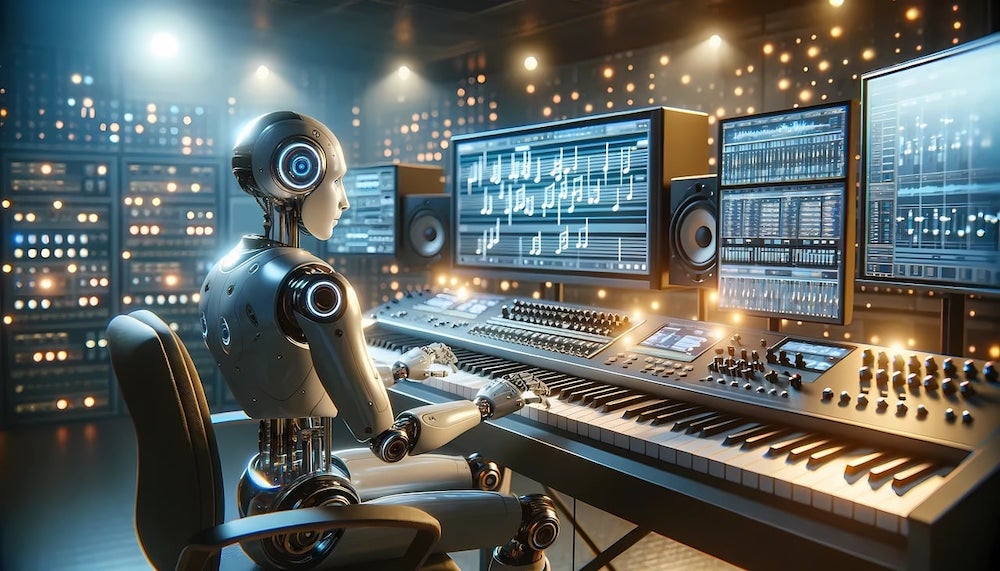
AI is no longer behind the scenes — it’s co-creating music.
In 2026, artificial intelligence has moved from experimental tools to mainstream music collaborators. AI algorithms analyze millions of tracks to identify patterns that resonate with listeners and generate melodies, beats, and harmonies tailored to audience preferences. Musicians now work with AI to craft songs more likely to become hits, effectively blending human creativity with machine optimization. This shifts the creative landscape, raising questions about originality, authorship, and how “authentic” music is defined in a digital-first era.
Streaming platforms drive the AI music revolution.
Playlist algorithms on platforms like Spotify and TikTok heavily influence which songs gain traction. AI music tools analyze these algorithms to optimize song structures, tempo, and hooks to maximize engagement. Musicians and producers are adapting their workflows to fit algorithmic tastes, creating a feedback loop where AI-generated content is tailored to AI-driven distribution. This convergence challenges traditional notions of artistic integrity and positions AI as a critical player in shaping cultural trends.
AI enables hyper-personalized listening experiences.
Beyond creation, AI curates individualized playlists based on listening history, mood, and behavioral data. This personalization drives deeper engagement but also reinforces niche tastes and can limit exposure to diverse musical styles. Artists and labels must now consider not only the global audience but how AI interprets and presents their work to specific listener segments. The result is a music ecosystem shaped by data-driven decisions, where success is increasingly tied to algorithmic approval.
Production speed and accessibility are increasing.
AI-assisted production tools allow emerging artists to create studio-quality tracks without access to expensive equipment or professional expertise. Beat generation, vocal processing, and mixing can now be partially automated, reducing barriers to entry and accelerating output. While this democratizes music creation, it also saturates the market, making it harder for artists to stand out. Success depends on strategic engagement with both AI tools and human-driven promotion.
The line between human and AI creativity is blurring.
AI can generate complex compositions that rival human-produced music, but it lacks emotional intuition. Musicians blend AI-generated components with personal touches to retain emotional depth and authenticity. This hybrid approach challenges traditional definitions of authorship and ownership, raising new intellectual property questions. Audiences may struggle to discern AI contributions, altering perceptions of artistry and originality. Music becomes a collaborative process between human intent and algorithmic optimization.
AI influences cultural trends and listener behavior.
Data-driven insights from AI don’t just predict trends — they actively shape them. Songs that conform to algorithmic patterns gain visibility, nudging audiences toward certain tempos, structures, and lyrical themes. Cultural preferences evolve in response, creating feedback loops where AI molds both production and consumption. This raises concerns about homogenization, where creativity is filtered through patterns that maximize engagement rather than artistic experimentation.
Copyright and revenue models are being challenged.
AI-generated music complicates traditional royalty systems. Questions arise over who owns AI-created compositions — the artist, the developer, or the platform. Streaming revenue models must adapt to account for these new types of authorship, and legal frameworks are struggling to keep pace. Artists and producers face strategic decisions about how to integrate AI into their work while protecting intellectual property rights and revenue streams. The economics of music are shifting alongside the technology shaping it.
Live performance and AI are merging.
AI is not only influencing recorded music but also live shows. Real-time AI tools adjust sound, visuals, and even setlists to enhance audience experience. Musicians can use AI to improvise alongside them or generate interactive experiences for concertgoers. This integration of technology expands creative possibilities while challenging expectations of live performance, creating new forms of audience engagement and artistic expression.
AI is democratizing global music collaboration.
Artists from different regions can collaborate virtually using AI tools that translate, harmonize, or remix content across languages and styles. This breaks down traditional geographic and cultural barriers, allowing for unprecedented cross-cultural experimentation. The resulting music reflects globalized tastes and blends influences in ways that were previously difficult to achieve. AI acts as both translator and co-creator, fostering innovative collaborations that resonate worldwide.
The future of music will be a human-AI partnership.
Rather than replacing musicians, AI serves as a creative partner, enhancing speed, experimentation, and personalization. Artists who understand how to work with AI can push boundaries, explore new genres, and connect with audiences more effectively. The cultural impact is profound: music evolves faster, tastes diversify, and creativity becomes a blend of human emotion and machine analysis. Navigating this new landscape requires adaptability, awareness of algorithmic influence, and strategic engagement with both technological tools and audience preferences.









Comments
No comments yet, be the first submit yours below.